Managed sourcing from Bangladesh, for export and for buyers at home
Get it sourced

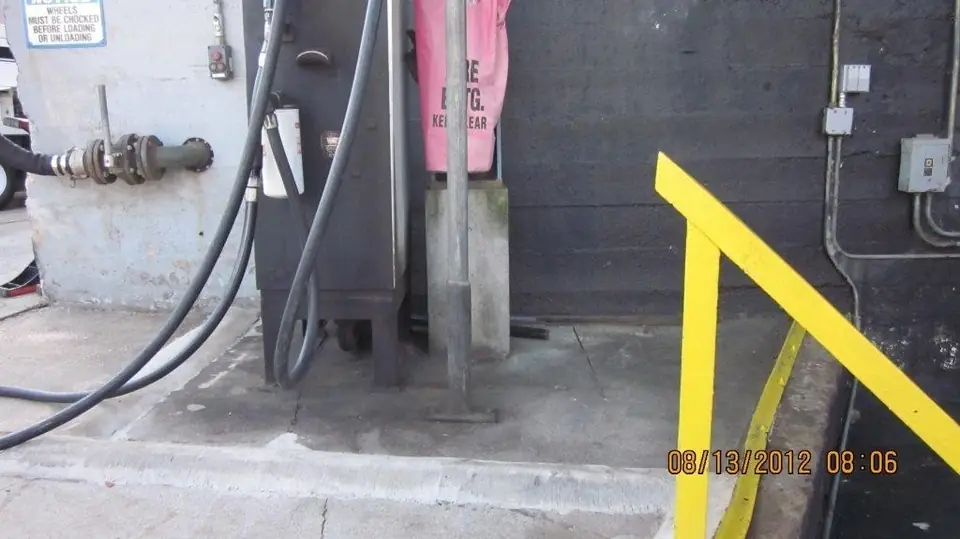
Safety and site equipment

Fuel dispenser supplier in Bangladesh

Tell us the fuels, the nozzles and the site you are planning. As a fuel dispenser supplier in Bangladesh, we source certified dispensers, tanks and station equipment from verified sellers, check metrology and hazardous area certificates, and arrange installation and calibration through the seller.

  • Verified sellers
  • Checked before it ships
  • Delivered by Roptan

Get fuel dispensers sourced

Prefer to deal with suppliers yourself? Post it on the requirement board

Fuel dispenser products

Pick a product and we source it for you, or send one requirement that covers several.

Buying fuel dispensers in Bangladesh

Filling stations on highways and in towns around Dhaka, Chattogram and Gazipur, CNG stations, bus and truck depots, and factories with their own fleets and generators buy dispensers, tanks and gauges to sell or issue fuel by measured volume. In Bangladesh a dispenser used for sale must pass BSTI verification, petroleum storage needs a Department of Explosives licence, and CNG stations operate under RPGCL.

Buying from a fuel dispenser supplier in Bangladesh involves approvals as much as equipment: metrology, explosives licensing and hazardous area certificates. Send us the site plan, products and expected daily volume. We turn it into one specification, source from verified sellers, check certificates against the exact models, inspect the goods on arrival and deliver. The seller installs, calibrates and commissions the equipment and prepares it for BSTI verification.

Fuel dispensers we source

Fuel dispensers

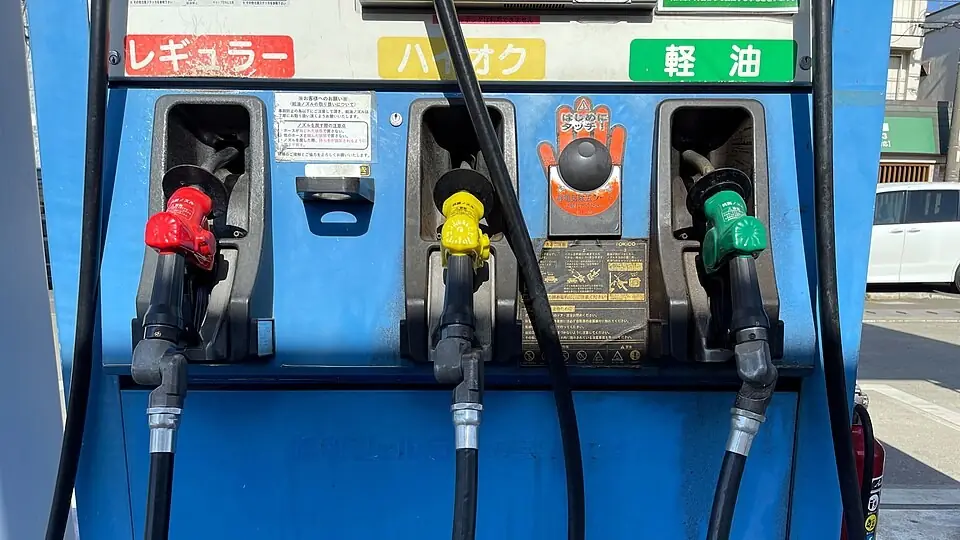
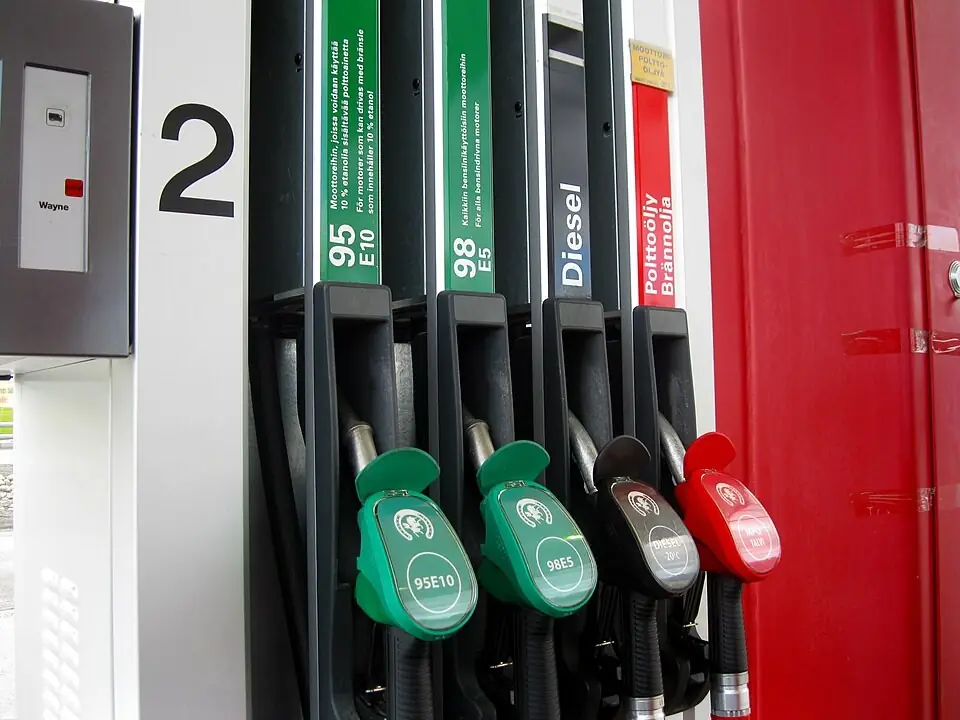
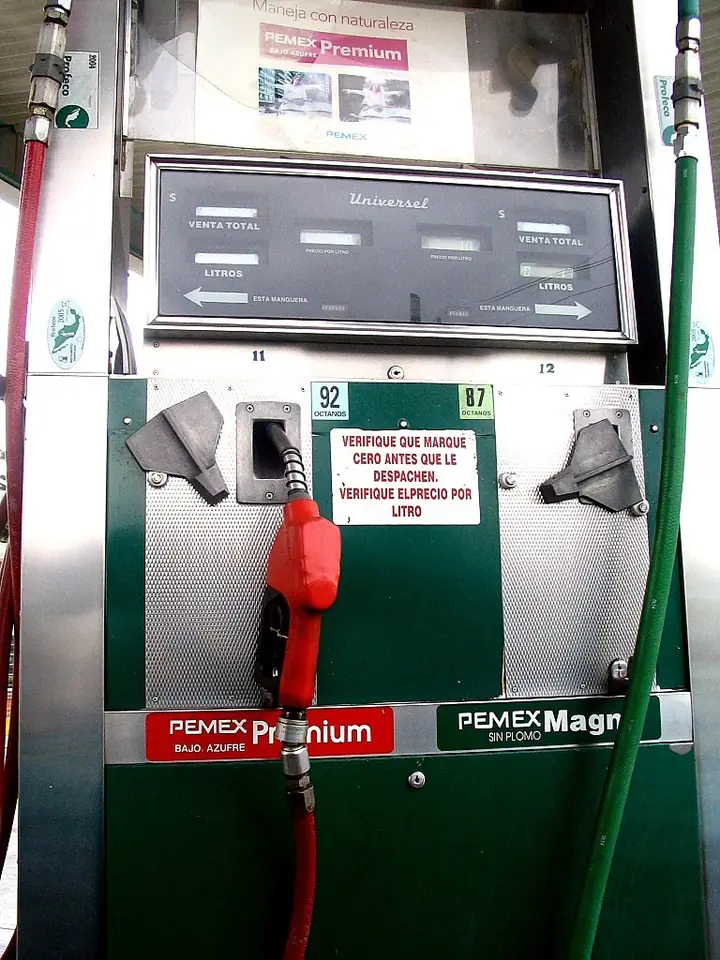
Electronic dispensers with one to four products and up to eight nozzles, computing volume and amount. Car nozzles typically deliver around 40 litres per minute; trucks and buses need high-flow nozzles. Suction pumps suit short runs; a submersible pump in the tank suits many dispensers.

CNG dispensers

High pressure dispensers that fill vehicle cylinders, typically to 200 bar, through a Coriolis mass flow meter, fed by a compressor and storage cascade. CNG is sold by the cubic metre in Bangladesh, so the display must total in that unit.

Fuel tanks

Steel or fibreglass tanks, single or double wall, built to standards such as UL 58, UL 1316, UL 142 or EN 12285-1. Double wall tanks with interstitial monitoring give early warning of leaks; in high water tables, tanks are anchored against buoyancy.

Flow meters

Positive displacement meters for diesel issue in depots and factories, and mass meters for bulk transfer. A meter used for sale must be approved and verified; internal issue meters still need regular calibration and a record by vehicle.

Tank gauges

Automatic tank gauges with magnetostrictive probes read product level, water level and temperature on a console, reconcile stock daily and flag leaks, overfill and theft. Water detection matters in humid weather, when condensation collects at the tank bottom.

Station canopies

Steel frames with metal roofing and composite panel fascia over the forecourt, with lighting and drainage. Design to BNBC 2020 for wind loads, which are higher in coastal districts, with engineer-signed drawings before fabrication and full-size gutters for the monsoon.

How to brief a fuel dispenser supplier in Bangladesh

Products and nozzles
List each product, such as octane, petrol and diesel, with nozzles per side and the vehicle mix at peak. This decides single or multi-product dispensers and the hydraulics inside.
Flow rate
State litres per minute at the nozzle. Cars are served at around 40 litres per minute; highway sites serving trucks and buses need high-flow nozzles and lanes.
Pumping system
Suction dispensers each pull fuel from the tank; submersible pumps push from inside it, suiting long pipe runs and many dispensers. Give tank volumes and the pipe route.
Hazardous area rating
Motors, junction boxes and electronics near fuel must be certified for their zone under ATEX or IECEx. Ask for the certificate for each model quoted.
Power and load shedding
Ask for a display that holds the last sale through a power cut, a UPS for the electronics, surge protection and a generator with changeover.
Flooding and water table
Many sites have a high water table in the monsoon. Tanks must be anchored, islands raised and sumps sealed so floodwater cannot reach the fuel.
CNG details
State dispensing pressure, the nozzle type local vehicles use, hose count, breakaway couplings, and the compressor and storage the dispenser connects to.

Metrology, licences and hazardous area papers

OIML R 117
The international recommendation for measuring systems for liquids other than water, which covers fuel dispensers. Retail dispensers are accuracy class 0.5; ask for the type evaluation certificate or test report for the model.
BSTI verification
BSTI, in its weights and measures role, verifies and seals dispensers used for sale. The seller calibrates first with a certified proving measure; agree who arranges the visit and keep the certificate at the station.
Department of Explosives licence
Petroleum storage needs a licence from the Department of Explosives. The approved layout fixes tank sizes, spacing and dispenser positions, so share it before ordering tanks.
ATEX or IECEx
Certification of electrical equipment for explosive atmospheres. Check each certificate's zone, gas group and temperature class against the station's area classification.
RPGCL for CNG
CNG stations in Bangladesh operate under RPGCL. Confirm the station's approval and the compressor and storage set-up before CNG dispensers are ordered.

What moves the price of station equipment

  • Products and nozzles: each extra product adds a meter, pulser and hydraulic set.
  • Pumping: submersible systems add tank pumps, line leak detectors and pressurised piping.
  • Certification: OIML type evaluation and ATEX or IECEx certificates cost more, and verification depends on them.
  • Tanks: double wall construction, fibreglass, and anchoring for high water tables often cost more than the dispensers.
  • Controls: automatic tank gauges, forecourt controllers, presets, printers and card or fleet payment systems.
  • Site work: pipework, islands, canopy, earthing and commissioning.

Lead times and delivery

Standard fuel dispensers are sometimes in stock and can be installed within 2 to 4 weeks. Imported multi-product units, CNG dispensers and tank gauges typically take 8 to 14 weeks; locally fabricated tanks and canopies usually take 4 to 8 weeks. Licences, civil works and BSTI verification run on their own timelines, so start them early. Roptan confirms dates and any minimum in the quote.

We deliver to stations and depots across Bangladesh, including highway sites around Dhaka, Chattogram and Khulna. The seller installs dispensers, tanks and gauges, pressure-tests pipework, tests tank tightness before backfilling, checks earthing and emergency stops, and calibrates each nozzle with a certified proving measure before BSTI verification. You receive calibration records, hazardous area certificates, test reports, as-built pipework drawings, manuals, the warranty and a VAT invoice (Mushak 6.3). Imported equipment usually needs an advance or a letter of credit.

What we check for this order

  • Trade licenceCurrent, and in the name on the quote, so the invoice, warranty and installation sit with one accountable seller.
  • Certificates match the modelsOIML type evaluation, ATEX or IECEx and tank certificates checked against the exact models and sizes quoted, with numbers we can verify.
  • Warranty, parts and serviceWarranty, local spares such as nozzles, hoses and filters, recalibration before BSTI verification and breakdown response written into the quote.
  • Installation and commissioningCivil works, piping, wiring, pressure and tightness tests, calibration and commissioning included or priced, with who does each.

Questions buyers ask

Who verifies a fuel dispenser before we sell fuel?

BSTI, in its metrology role. The seller first calibrates each nozzle with a certified proving measure at high and low flow, then BSTI checks the error against the permitted limits and seals the adjustment points. Agree in the quote who arranges the visit, and build it into the opening date.

Should we choose suction or submersible pump dispensers?

Suction dispensers suit small stations with one or two dispensers close to the tanks. A submersible pump in each tank suits larger forecourts, long pipe runs and high-flow truck lanes, and one pump can feed several dispensers. Your layout and throughput decide it.

Should the underground tank be single or double wall?

Double wall where you can. The space between the walls is monitored, so a leak shows before fuel reaches soil or groundwater. Where the water table is high, anchor the tank, because an empty tank can float in saturated monsoon ground. Ask for pressure test records either way.

Can I buy a single dispenser for a factory diesel tank?

Yes. A single-product dispenser, or a flow meter with a nozzle, suits a private fuel point for generators, forklifts and trucks. Tell us the tank size, the vehicles and whether you need records by vehicle, and check with the Department of Explosives whether your storage needs a licence.

How do we keep selling fuel through load shedding?

Run the forecourt from a generator with automatic changeover, put the dispenser electronics on a UPS, and choose dispensers that keep the last sale on the display after a power cut. Surge protection and a proper earth reduce board failures caused by voltage swings.

How soon will I hear back about fuel dispensers?

Within 48 hours of a complete requirement, with a price and a delivery date. A requirement is complete when it has the quantity, where it is needed and by when.

Who do I deal with?

With Roptan, when Roptan manages the order: we buy from the verified seller and deliver to you. With the supplier directly, when you post on the requirement board and choose a quote yourself.