Managed sourcing from Bangladesh, for export and for buyers at home
Get it sourced

Chemicals and coatings

Epoxy resin supplier in Bangladesh

Need an epoxy resin supplier in Bangladesh who quotes cost per square metre, not per kg? Tell us the use, area, thickness and conditions. We source matched resin and hardener from verified sellers, check batch certificates and deliver; application can be arranged through the seller.

  • Verified sellers
  • Checked before it ships
  • Delivered by Roptan

Get epoxy resin sourced

Prefer to deal with suppliers yourself? Post it on the requirement board

Epoxy resin products

Pick a product and we source it for you, or send one requirement that covers several.

Buying epoxy resin in Bangladesh

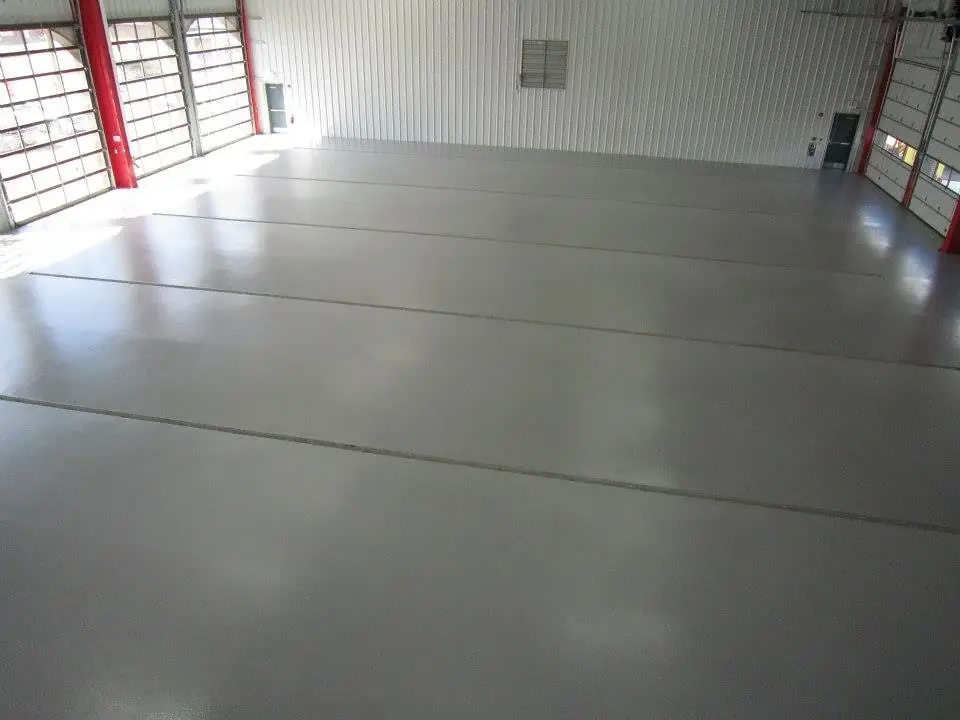
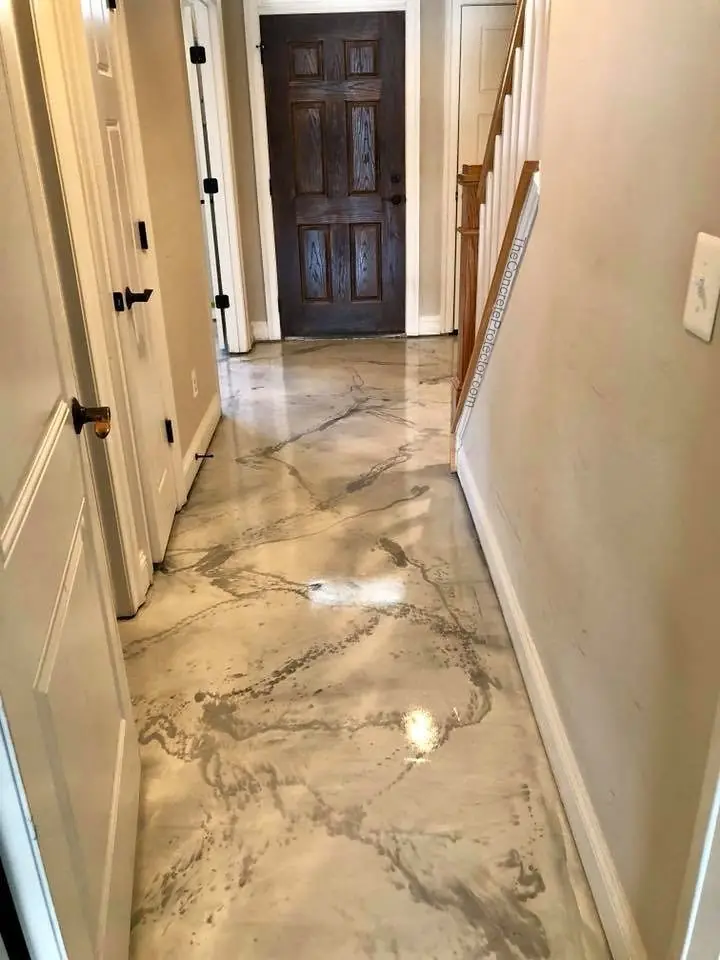
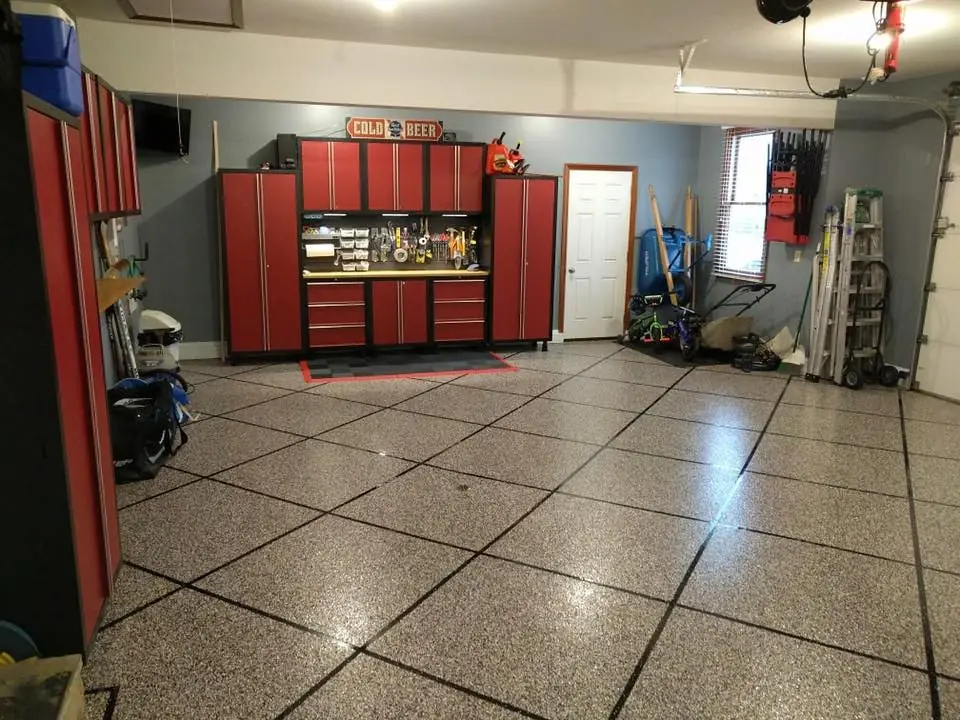
Epoxy resin and hardener systems coat and level floors in pharmaceutical, food, garment and electronics plants, warehouses and car parks around Dhaka, Gazipur, Narayanganj and Chattogram (Chittagong), grout tiles and machine bases, and cast furniture and art. Buyers are factory engineers, flooring contractors, builders and craft makers. Price per kg is a poor guide: filler content, thickness and surface preparation decide what a square metre costs.

An epoxy resin supplier in Bangladesh must supply systems that cure properly in heat and humidity, because damp slabs and monsoon air are behind many floor failures. Send the use, area, slab age and site conditions by form or chat. We source matched systems from verified sellers, compare quotes on cost per square metre at your thickness, check the papers, and deliver. You deal with Roptan only.

Epoxy resin we source

Epoxy flooring resin

Two-part resin and hardener rolled onto concrete, usually 200 to 500 microns as a coating, for a joint-free, washable, chemical-resistant floor. Anti-slip and anti-static grades suit wet areas and electronics; preparation decides durability as much as the resin.

Casting resin

Low-viscosity, slow-curing clear resin for river tables, moulds, encapsulation and art. Too deep a pour overheats as it cures, then cracks or yellows, so check the maximum depth per layer on the data sheet and ask for UV stabilisers.

Epoxy hardener

The curing agent, mixed at a fixed ratio by weight or volume. Polyamines cure fast with good chemical resistance; polyamides give longer pot life and tolerate damp better. Buy resin and hardener as a matched system.

Epoxy primer

A thin, penetrating first coat that seals pores and bonds the system to concrete, cutting pinholes and bubbles from air rising out of the slab. Use a moisture-tolerant primer where readings are borderline.

Self levelling epoxy

A flowable, filled resin laid at about 2 to 3 mm, spread with a notched trowel and spiked roller, for pharma, food and electronics areas. The slab must be level, dry and primed; price it per square metre at the stated thickness.

Epoxy grout

High-strength, non-shrink grout for machine bases and anchor bolts, and stain and acid resistant tile grout for kitchens, labs and food areas. It costs more than cement grout and is harder to apply, but lasts where acids and washing destroy cement.

What to tell an epoxy resin supplier in Bangladesh

Use and loads
Foot traffic, pallet trucks or forklifts, chemicals, hot water and cleaning regime. These decide the system and thickness, from a thin coating to a trowelled mortar.
Area and thickness
Square metres and thickness in microns or mm, or for casting, the volume and depth of each pour. Quantities follow from these.
Slab age and moisture
New concrete needs about 28 days' curing first. Test moisture: many systems ask for below 4%, or a plastic sheet test to ASTM D4263 showing no condensation.
Climate at application
Relative humidity below 85% and the slab at least 3 °C above dew point. Otherwise amine blush forms, a greasy film that stops the next coat bonding.
Heat and pot life
Pot life roughly halves for every 10 °C rise. In Bangladesh heat, mix smaller batches, keep kits shaded and work in cooler hours.
Surface preparation
Grinding or shot blasting to open the surface, crack and joint repair, and pull-off strength of the concrete, commonly at least 1.5 MPa.
Finish and scope
Gloss or matt, colour, anti-slip or anti-static grade, a UV-stable polyurethane finish where sunlight reaches the floor, and supply only or supply and apply, so every quote says who is responsible for preparation.

Tests and papers for epoxy floors and resins

ASTM D4263
Plastic sheet test for moisture in concrete: a taped sheet shows condensation or darkening if the slab is still wet. Do it before priming.
ASTM D4541 and ASTM D7234
Pull-off adhesion tests; D7234 covers coatings on concrete. Ask for one on a trial patch and on the finished floor before handover.
EN 13813
Classifies synthetic resin screeds as SR, with bond strength and wear resistance classes. Ask which classes the system declares.
SDS and certificate of analysis
An SDS to GHS for resin and hardener separately: hardeners are often corrosive and skin sensitising. A certificate per batch with viscosity, epoxy equivalent weight or amine value, and manufacture date.
Technical data sheet
Mix ratio, pot life, cure times and recoat window at stated temperatures, coverage and VOC content. Ask for figures at 30 °C or above.

What moves the price of epoxy resin

  • System and thickness: a 2 to 3 mm self levelling floor needs several times the resin of a 300 micron coating.
  • Filler and solids: a heavily filled product is cheaper per kg but uses more kg per square metre; solvent-free systems leave more film per litre.
  • Chemistry: cycloaliphatic, novolac, low-blush and UV-stabilised grades cost more than standard bisphenol A systems.
  • Aggregates, colour and finish: quartz, flakes, pigments and a UV-stable finish coat add cost.
  • Pack and origin: drums cost less per kg than small kits, and imported systems follow the dollar.

Lead times and delivery

Standard flooring and casting kits are usually in stock in Dhaka and deliver within two to five days. Large project quantities, special colours or specific hardeners are often imported and typically take four to eight weeks. A new slab needs about 28 days' curing and a moisture test first, and full cure after application usually takes about a week. Roptan confirms dates in the quote.

Kits arrive sealed, with resin and hardener from matched batches, at your site in Dhaka, Gazipur, Narayanganj or Chattogram. Where the seller lays the floor, ask for moisture readings, climate records, thickness checks and a pull-off test at handover. Documents: VAT invoice (Mushak 6.3), data sheet, SDS, certificate of analysis per batch and the written warranty.

What we check for this order

  • Trade licence and import permitThe seller's trade licence, IRC and the import papers for the resin system quoted.
  • A safety data sheet for every productSDS for resin, hardener, primer and thinner, in hand before the first delivery, matching the product names and grades quoted.
  • A certificate of analysis per batchBatch numbers on every tin, with certificates for viscosity and epoxy or amine value and manufacture date against shelf life.
  • Storage and handling termsShelf life, storage temperature and mixing instructions in writing, since old or badly stored material may not cure properly.

Questions buyers ask

How much epoxy do I need for my floor?

Thickness decides it, not only area. One litre of solvent-free epoxy covers 1 square metre at 1 mm, before losses, so 100 square metres at 2 mm needs about 200 litres plus primer and wastage. For filled products, use the seller's coverage rate in kg per square metre per mm.

Why is one epoxy quote much cheaper per kg than another?

Usually more filler, some solvent or a lower resin grade. A filled product weighs more per square metre at the same thickness, so a lower price per kg can cost more per floor. Compare cost per square metre at your thickness, using each seller's coverage rate and build-up.

Can epoxy be applied in the monsoon, or on damp concrete?

In the monsoon, yes, with controls: keep humidity below 85% and the slab at least 3 °C above dew point, and avoid evenings when the temperature falls toward dew point. Not on damp concrete: rising moisture causes bubbles and peeling, so measure first and use a moisture-tolerant primer where the slab cannot dry.

Why did my casting resin crack or turn yellow?

Usually the pour was too deep for the resin, so heat from curing built up. Use a deep-pour resin, keep to the maximum depth per layer and keep the room cool. All epoxy yellows with sunlight and time; UV-stabilised grades slow it.

Can I change the mix ratio to speed up curing?

No. Mix exactly the ratio on the data sheet, by weight or volume as stated. Extra hardener does not cure faster; it leaves a weaker film that can stay sticky or turn brittle. For a faster cure, choose a faster hardener from the same system.

How soon will I hear back about epoxy resin?

Within 48 hours of a complete requirement, with a price and a delivery date. A requirement is complete when it has the quantity, where it is needed and by when.

Who do I deal with?

With Roptan, when Roptan manages the order: we buy from the verified seller and deliver to you. With the supplier directly, when you post on the requirement board and choose a quote yourself.