Managed sourcing from Bangladesh, for export and for buyers at home
Get it sourced

Power and energy

Solar panel supplier in Bangladesh

Use Roptan as your solar panel supplier in Bangladesh: send your bills, roof details and goal, and we source panels, inverters, batteries and complete systems from verified sellers, check them and deliver them, installed and commissioned by the seller with test sheets on record.

  • Verified sellers
  • Checked before it ships
  • Delivered by Roptan

Get solar panels sourced

Prefer to deal with suppliers yourself? Post it on the requirement board

Solar panel products

Pick a product and we source it for you, or send one requirement that covers several.

Buying solar panels in Bangladesh

Rooftop solar cuts daytime grid and diesel costs. Textile and garment factories in Gazipur, Savar, Ashulia and Chattogram fit it under net metering, hospitals and offices in Dhaka add smaller systems, often with batteries for load shedding, and farmers replace diesel irrigation pumps with solar pumps for boro rice in the dry season. Most of the cost is paid up front, so yield and warranties decide the value.

Any solar panel supplier in Bangladesh can quote a kWp figure. The result depends on detail: how panels behave in heat, the structure's wind design, inverter settings and the tests at handover. Send your bills and roof photos by form or chat. We source from verified sellers, compare quotes on one basis, check certificates and deliver; the seller installs and commissions the system. You deal with Roptan only.

Solar panels we source

Monocrystalline panels

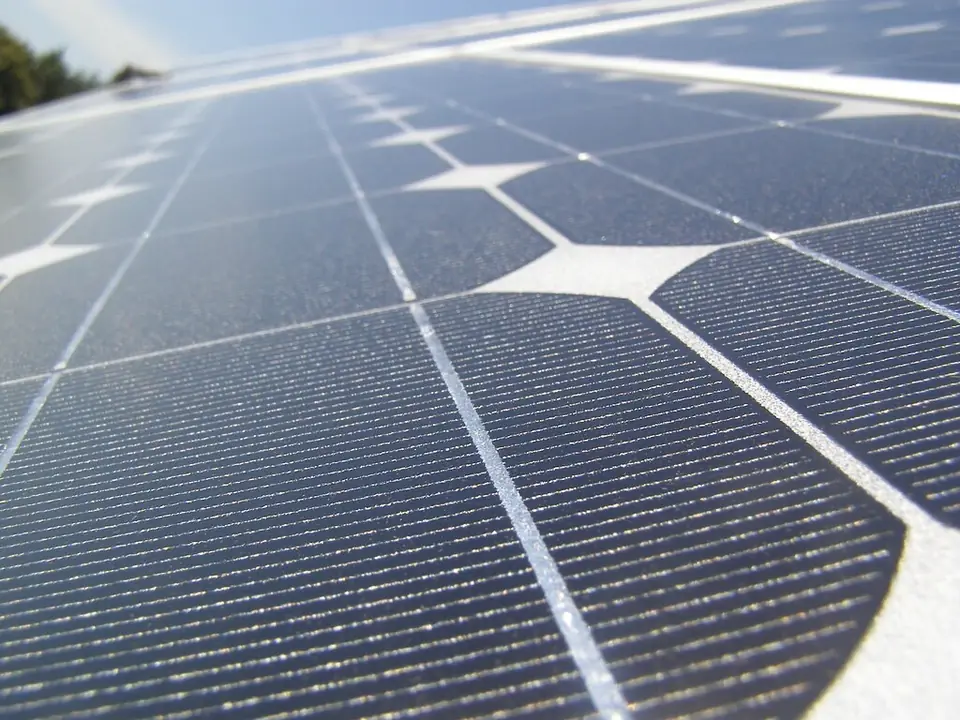
Single-crystal silicon panels, the usual choice for rooftops because they give more power from limited space, rated in watt-peak (Wp) at standard test conditions. Compare price per Wp, efficiency, temperature coefficient, yearly degradation and both warranties, not watts per panel alone.

Rooftop solar systems

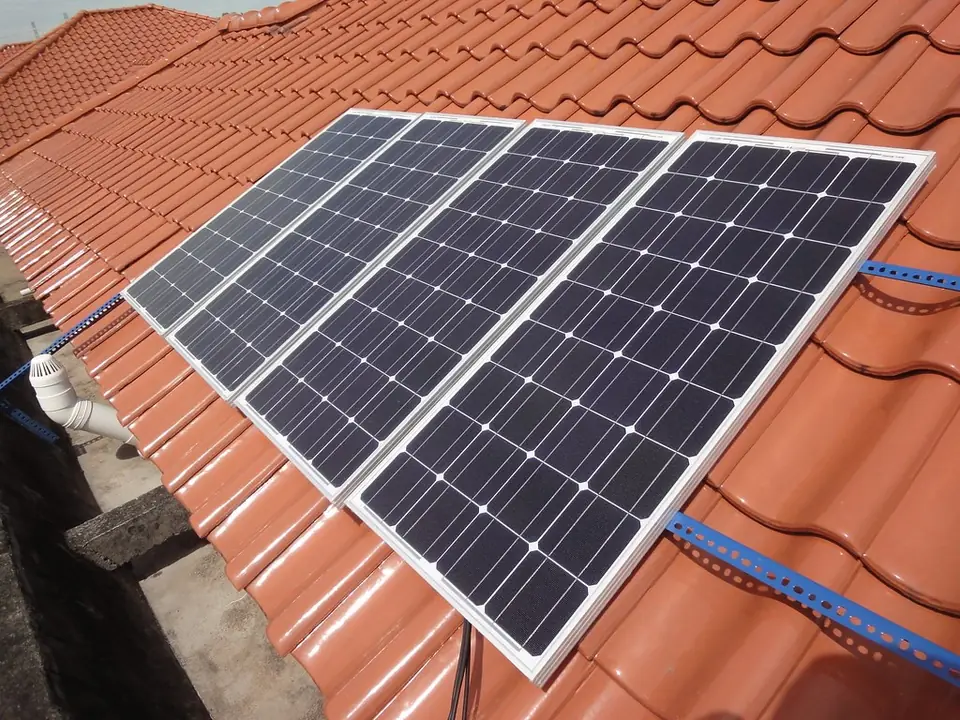
A complete system on a factory, office or home roof: panels, structure, inverter, cables, earthing and protection, usually grid-tied with net metering. Check the roof's load capacity and remaining life first, and plan safe access for cleaning.

Ground mount systems

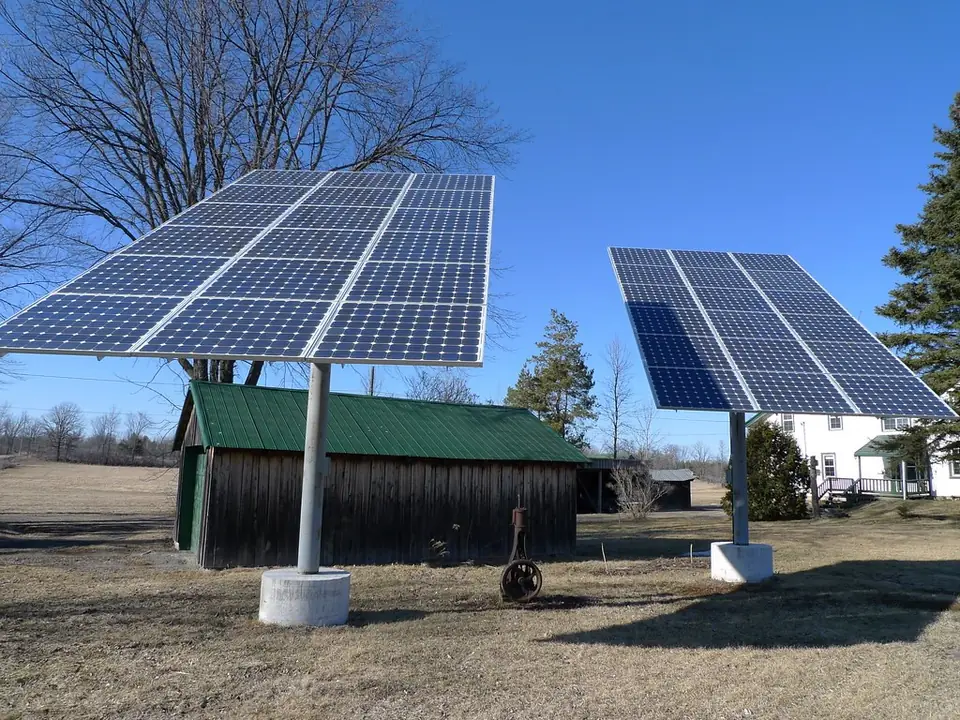
Panels on galvanised steel or aluminium frames on open land, for factories with spare land, farms and larger plants. Footings, fencing and cable trenches drive cost, and in low-lying areas the frames must hold panels above monsoon flood level.

Solar inverters

Panels make direct current; the inverter turns it into 50 Hz AC for your equipment. Grid-tied units feed the building and the grid and shut down when the grid fails, by design; hybrid units also charge batteries. Compare efficiency, warranty years and local repair.

Solar batteries

Batteries store daytime solar power for evenings and outages. Lead acid costs less to buy; lithium iron phosphate (LiFePO4) costs more but lasts more cycles and can be discharged deeper. Size them on the loads and hours you need, in a cool, ventilated room.

Solar irrigation pumps

An array driving a submersible or surface pump through a controller, in place of a diesel pump for dry-season irrigation and village water supply. It pumps only while the sun shines, so size it on daily water need and pumping depth.

What to give a solar panel supplier in Bangladesh

Bills and daytime load
Send twelve months of electricity bills and your daytime load in kW. They set the system size in kWp and show how much solar you can use on site, which decides payback.
Roof or land
Area, roof type (concrete slab or metal sheet), age, orientation and anything that casts shade: water tanks, stair rooms, trees or taller buildings. An old metal roof may need re-sheeting first.
Backup and generator
A grid-tied system without batteries switches off when the grid fails; if you need power in outages, list the loads and hours. If a generator runs, say so: the inverter needs a controller that never feeds power into it.
Panel data
Ask for Wp, efficiency, yearly degradation and the temperature coefficient of power, roughly 0.3 to 0.4 percent per °C for monocrystalline panels; cells on a summer roof run far above the 25 °C test condition.
Grid and utility
Single or three phase at 50 Hz, your distribution utility (such as DPDC, DESCO or BREB) and whether you want net metering to export surplus power.
Structure, wind and roof use
Structure calculations to the BNBC 2020 wind load for your district, in hot-dip galvanised steel or aluminium with fixings that will not corrode the roof sheet; raised frames if the roof stays in use.
Coast, dust and heat
Near the sea, ask for panels tested for salt mist (IEC 61701). Everywhere, ask for PID (potential-induced degradation) resistance, as heat and humidity drive that loss, and plan walkways and a water point for cleaning.

Standards and approvals for solar systems

IEC 61215 and IEC 61730
Design qualification and safety of PV modules. Ask for certificates naming the exact model and power class quoted, issued by an accredited lab.
IEC 62109
Safety of power converters in PV systems. Ask for the certificate for the inverter model quoted, not a sister model or a product range.
IEC 62446-1
Commissioning tests and documents for grid-connected PV: polarity, string voltage and current, insulation resistance. Ask for the filled test sheets and as-built drawings at handover.
Net Metering Guideline 2018
The national guideline for exporting surplus solar power to the grid. The application goes to your distribution utility, which inspects the system, approves the connection and fits a two-way meter.

What moves the price and payback of a solar system

  • Panel technology and power class: higher efficiency saves roof area but usually costs more per watt.
  • Inverter: hybrid costs more than grid-tied, and a lower priced inverter that fails early is a real cost.
  • Batteries: storage adds a large share of the price and is replaced within the system's life.
  • Structure: roof type, wind load design, raised frames, galvanised steel or aluminium.
  • Roof and electrical work: sheet replacement, walkways, earthing, lightning protection, cable routes and the net metering application.
  • Operation and maintenance: cleaning, monitoring and inverter service keep yield up; ask for the yearly price.

Lead times and delivery

Panels and inverters for small systems are often in stock with importers in Dhaka, so a home or office system can usually be installed within two to four weeks. Factory rooftops and ground mount plants typically take six weeks to four months from survey to commissioning, depending on imported equipment and structure fabrication. Net metering approval follows the utility's timetable. Roptan confirms dates in the quote.

We deliver to your site; panels travel flat on pallets and are counted by serial number and checked for broken glass on arrival. The seller installs structure, panels, inverter, batteries, cabling, earthing and protection, and commissions the system with IEC 62446-1 tests. Handover papers: layout and single-line diagram, string test sheets, panel serial list with factory flash data, inverter settings, product and power warranties, and a VAT invoice (Mushak 6.3).

What we check for this order

  • Trade licence and installation recordThe seller's licence and a running system of similar size, with the client named and a year of generation data.
  • Brand authorisationFor the panels and inverter in the quote, so product and power warranties can be claimed in Bangladesh.
  • Warranty and after-sales in writingPanel, inverter, battery and workmanship warranties, service visits and who replaces a failed inverter, written into the quote.
  • Test report on deliveryFactory flash test data for the delivered panel serials and the IEC 62446-1 string test sheets from commissioning.

Questions buyers ask

Will rooftop solar keep my factory running during load shedding?

Not on its own. A grid-tied system shuts down when the grid fails, to protect people working on the lines. To keep running you need batteries with a hybrid inverter, or a controller that runs solar alongside your generator. Tell us which loads must stay on and for how long.

How big a solar system do I need?

Start from your bills, then check the roof. Twelve months of units show what you use; the roof area shows what fits, and in Dhaka the roof often sets the limit. A good proposal shows expected yearly output in kWh, not only panel wattage, so you can judge the saving.

Can I export surplus solar power to the grid?

Yes, under the Net Metering Guideline 2018, once your distribution utility approves the connection and a two-way meter is fitted. Units you export in daylight are set against units you import on your bill. Ask whether the application, drawings and meter change are included in the quote.

How do I compare solar quotes?

Compare price per kWp only after checking what each includes: panel model, Wp and count, inverter kW and warranty, batteries in kWh, structure, cabling, earthing and lightning protection, installation and VAT. Then compare expected yield in kWh a year; a lower price with a smaller inverter or lighter structure is a different system.

How long does a rooftop system take to pay back?

It depends on your tariff, daytime use and the system price, so ask for a payback estimate built on your own twelve months of bills. Plants that use most of their power in daylight pay back fastest. Treat any estimate made without your bills as a guess.

How soon will I hear back about solar panels?

Within 48 hours of a complete requirement, with a price and a delivery date. A requirement is complete when it has the rating, where it is needed and by when.

Who do I deal with?

With Roptan, when Roptan manages the order: we buy from the verified seller and deliver to you. With the supplier directly, when you post on the requirement board and choose a quote yourself.