Managed sourcing from Bangladesh, for export and for buyers at home
Get it sourced

Water and wastewater

Filter media supplier in Bangladesh

Roptan acts as your filter media supplier in Bangladesh. Tell us the medium, grade, size and quantity in kg and what it treats, and we source activated carbon, molecular sieves, ceramic balls, silica gel and anthracite from verified sellers, check each lot certificate and deliver.

  • Verified sellers
  • Checked before it ships
  • Delivered by Roptan

Get filter media sourced

Prefer to deal with suppliers yourself? Post it on the requirement board

Filter media products

Pick a product and we source it for you, or send one requirement that covers several.

Buying filter media in Bangladesh

Filter and adsorbent media do the work inside water filters, dryers and reactors. Activated carbon removes chlorine, colour and odour; molecular sieves and silica gel dry gas, air and packed goods; ceramic balls support catalyst beds; anthracite sits above sand in multimedia filters. Buyers include water plants, ETP and STP operators, pharmaceutical, gas and fertiliser plants, and exporters in Dhaka, Gazipur, Narayanganj and Chattogram. A filter media supplier in Bangladesh must match grade and size to the duty, not the name on the bag.

You send the requirement once. We send your grade and quantity to verified importers and stockists, compare quotes on the same specification and packing, check the certificate of analysis for the actual lot against your requirement, and deliver in sealed packing to your site. For large or critical orders, a sample from the lot is tested at an independent lab before bulk dispatch.

Filter media we source

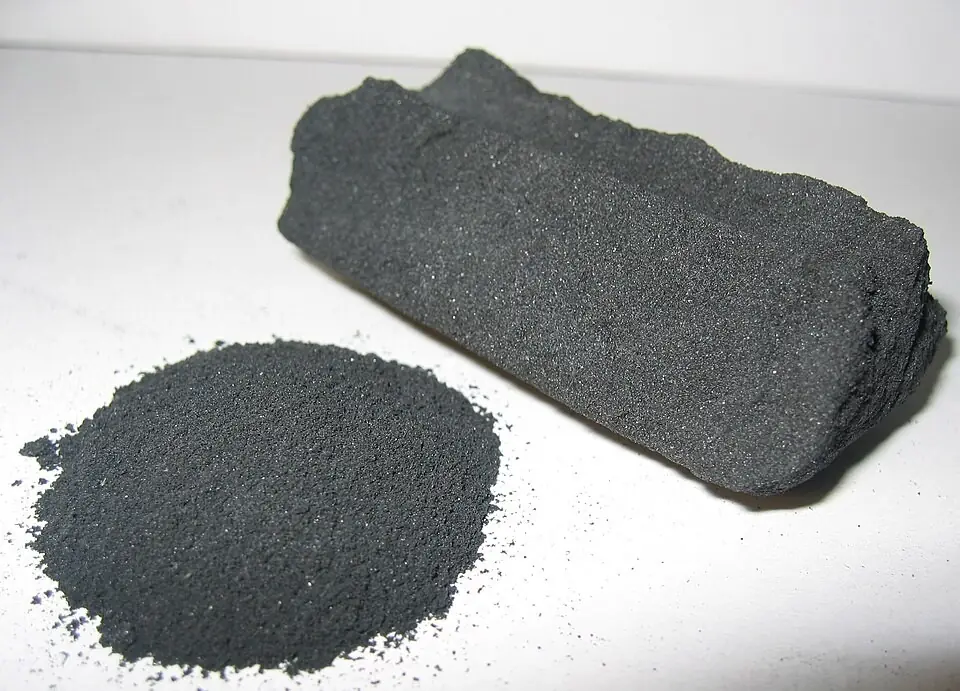
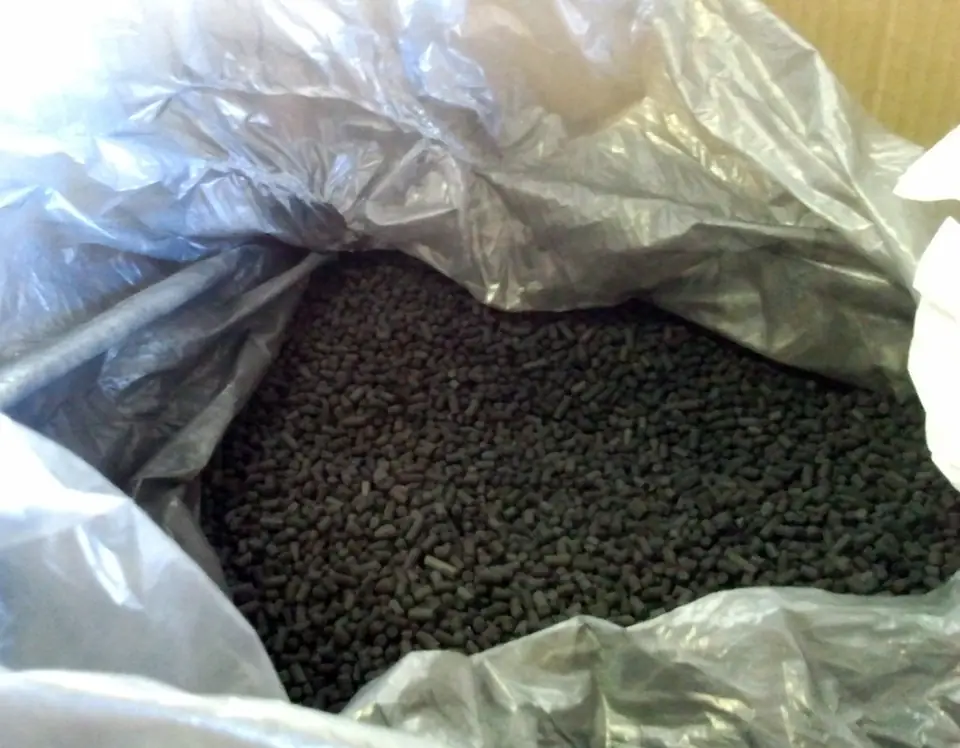
Granular activated carbon

Used in carbon filters for dechlorination ahead of RO, for removing organics, taste and colour, and in air and gas cleaning. Specify base material, mesh size such as 8x30 or 12x40, iodine number, hardness, ash and moisture.

Powdered activated carbon

Fine carbon dosed into water or effluent and removed with the sludge, for colour and odour control, COD polishing and decolourising sugar or chemicals. Specify fineness, iodine or methylene blue value, moisture, ash and dust-tight packing.

Molecular sieves 4A

A synthetic zeolite with pores of about 4 angstroms, used to dry natural gas, compressed air and solvents. Specify bead size, static water adsorption, crush strength and residual moisture. Type 3A suits drying ethanol; 13X removes water and carbon dioxide together in air pre-purification.

Ceramic balls

Inert alumina balls support and cover catalyst, desiccant and adsorbent beds, spreading flow and holding fine media in place. Specify diameter in mm, alumina content, crush strength and water absorption for each layer; higher alumina suits harsher service.

Silica gel

Amorphous silica beads used in air and gas dryers, transformer breathers and sachets that protect export cartons from mould at sea. Specify bead size, adsorption at stated humidity and indicator type. Blue indicating gel contains cobalt chloride, so many buyers specify cobalt-free orange gel.

Anthracite filter media

Crushed, graded anthracite laid over sand in dual or multimedia filters. It is lighter than sand, so it settles back on top after backwashing, and its larger grains hold more dirt between backwashes. Specify effective size, uniformity coefficient and specific gravity, with a sieve analysis per lot.

How to specify filter media

Duty
Say what the media removes and from what: chlorine before RO, colour in effluent, moisture in air or gas, or support under a catalyst. The duty sets the material and grade.
Particle size
Mesh range for carbon, bead or pellet size in mm for sieves and silica gel, diameter for ceramic balls, effective size for anthracite.
Performance values
Iodine number for carbon, static water adsorption for sieves and silica gel, alumina content and crush strength for ceramic balls, each with its test method, so figures from different sellers compare.
Iron in the water
Groundwater in much of Bangladesh carries dissolved iron. Remove it ahead of a carbon bed, or it coats the granules and the bed clogs long before it is spent.
Quantity and packing
State kg, or bed volume with bulk density, since vessels are filled by volume; add a margin for loading losses. Choose 25 kg bags, jumbo bags or sealed drums.
Humidity on the way
Desiccants take up moisture from monsoon air quickly once opened. Specify sealed drums or moisture-barrier bags, and open them only at the vessel.
Drinking water use
If treated water is for drinking or food, ask for media certified for potable use, such as NSF/ANSI 61, and the matching certificate.

Test methods to ask a filter media supplier in Bangladesh for

ASTM D4607
The standard test for the iodine number of activated carbon, in mg/g, a common measure of adsorption capacity. Ask for it on every lot certificate, so carbons compare on the same method.
AWWA B604 and B600
American Water Works Association standards for granular and powdered activated carbon in water treatment. Ask whether the grade meets them for drinking water duty.
AWWA B100
The standard for granular filter material, including filter sand, gravel and anthracite, graded by effective size and uniformity coefficient. Ask for a sieve analysis to it.
REACH for EU-bound sachets
Dimethyl fumarate is restricted in articles, and the cobalt chloride in blue silica gel is a substance of very high concern. Ask for declarations on sachets going into export cartons.

What moves the price of filter media

  • Raw material and grade: coconut shell, coal or wood carbon, and higher iodine numbers or alumina content cost more per kg.
  • Tight specifications: narrow mesh or bead ranges, low ash or high crush strength need more screening and cost more.
  • Certification: potable water listings and lot-by-lot third-party testing add cost.
  • Quantity and packing: bag lots from local stock cost more per kg than container loads imported to order; sealed drums cost more than bags.
  • Origin and freight: much of this media is imported, so sea freight, customs clearance and the dollar rate move the price.

Lead times and delivery

Common grades such as coconut shell carbon, silica gel and anthracite held in stock in Bangladesh can typically be delivered within a few days to two weeks. Molecular sieves, high-alumina ceramic balls and special grades imported to order usually take 4 to 8 weeks, including sea freight to Chattogram and customs clearance. Potable certification and third-party testing add time. Roptan confirms each date and the stock position in the quote.

We deliver to your plant or store across Bangladesh, including Dhaka and Gazipur. Media arrives in the agreed sealed packing with the lot number on each bag matching the certificate of analysis, the safety data sheet to GHS and a VAT invoice (Mushak 6.3). Check the seals on arrival, because silica gel and sieves spoil in damp air. On request, the seller loads the vessel, with backwash and rinse for carbon and anthracite.

What we check for this order

  • Trade licence and supply recordWe confirm the seller's licence and ask for plants it supplies with the same grade, named to us, to confirm steady supply.
  • Specification and lot certificateYour grade, size range and test values go in writing with the test method for each, and every lot comes with a certificate of analysis that matches them.
  • Replacement terms in writingWe confirm what happens if a lot fails the agreed specification on test: replacement or credit, who pays the retest and who pays the return freight.
  • A sample from the actual lotFor large or critical orders, a sample from the actual lot is tested at an ISO/IEC 17025 accredited lab before bulk dispatch, not a sales sample.

Questions buyers ask

How do I choose between coconut shell and coal based activated carbon?

Coconut shell carbon has mostly fine pores, which suit chlorine, taste and small molecules, and it is hard, so it makes little dust. Coal based carbon has more larger pores, which suit colour and bigger organic molecules. Your duty and the iodine or methylene blue values decide.

What is the difference between molecular sieves 3A, 4A and 13X?

3A and 4A have pores about 3 and 4 angstroms wide; 13X has much larger pores. 3A lets water in but keeps ethanol out, so it dries ethanol. 4A is the general grade for drying gases and solvents. 13X is used in air pre-purification to remove water and carbon dioxide.

How do I know when media needs replacing?

Watch the result, not the calendar. Carbon is spent when chlorine, taste or colour breaks through at the outlet; indicating silica gel changes colour; sieves stop drying and the dew point rises; filter beds lose grains or clog quickly. Your equipment manual gives a normal interval for planning orders.

Can silica gel, sieves or carbon be regenerated instead of replaced?

Often. Silica gel and molecular sieves are dried by heating and purging, or by pressure swing, as industrial dryers do; the beads wear with each cycle, so replace the charge when capacity falls or dust appears downstream. Activated carbon is reactivated at high temperature in specialist plants, so small users normally replace it.

What is the minimum order for filter media?

From local stock, often a single bag. Imported to order, sellers usually want a pallet lot or more, and container loads get a better price per kg. Tell us your yearly use, and we look for a stockist who can hold your grade in Bangladesh and supply it in call-offs.

How soon will I hear back about filter media?

Within 48 hours of a complete requirement, with a price and a delivery date. A requirement is complete when it has the quantity, where it is needed and by when.

Who do I deal with?

With Roptan, when Roptan manages the order: we buy from the verified seller and deliver to you. With the supplier directly, when you post on the requirement board and choose a quote yourself.