Managed sourcing from Bangladesh, for export and for buyers at home
Get it sourced

Water and wastewater

ETP plant supplier in Bangladesh

Roptan acts as your ETP plant supplier in Bangladesh. Send us the effluent flow, your processes and the latest lab results, and we source a new plant, an upgrade or a dosing system from verified sellers, check the design basis and deliver it.

  • Verified sellers
  • Checked before it ships
  • Delivered by Roptan

Get ETP plant sourced

Prefer to deal with suppliers yourself? Post it on the requirement board

ETP plant products

Pick a product and we source it for you, or send one requirement that covers several.

Buying ETP plant in Bangladesh

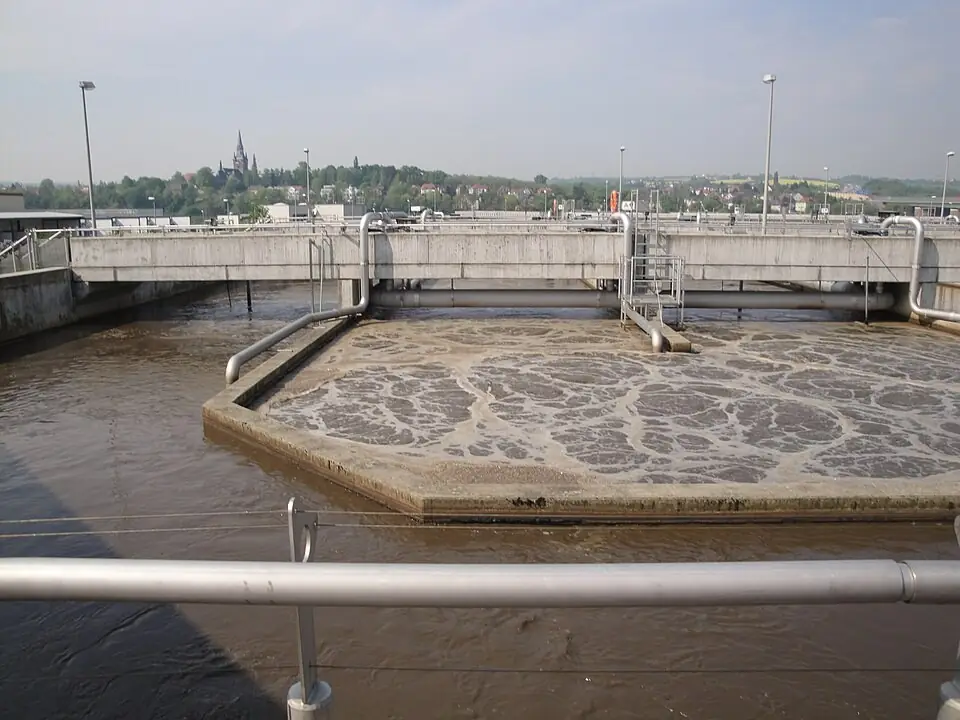
An effluent treatment plant (ETP) cleans the hot, coloured and alkaline water from dyeing, washing, printing and finishing so it meets the ECR 2023 discharge limits, and a wet processing unit's Environmental Clearance Certificate from the Department of Environment depends on it. Textile and denim units in Gazipur, Savar, Ashulia, Narayanganj and Chattogram buy new plants, extra capacity and upgrades, often after a buyer audit. An ETP plant supplier in Bangladesh should design from your effluent data, not a standard drawing.

You send the requirement once. We have verified sellers design to the same flow, analysis and outlet limits, compare process, chemical use, power draw and sludge line by line, and check licences and running references. We deliver the equipment; the seller builds, installs and commissions the plant and runs it until the outlet passes.

ETP plant we source

Biological ETP

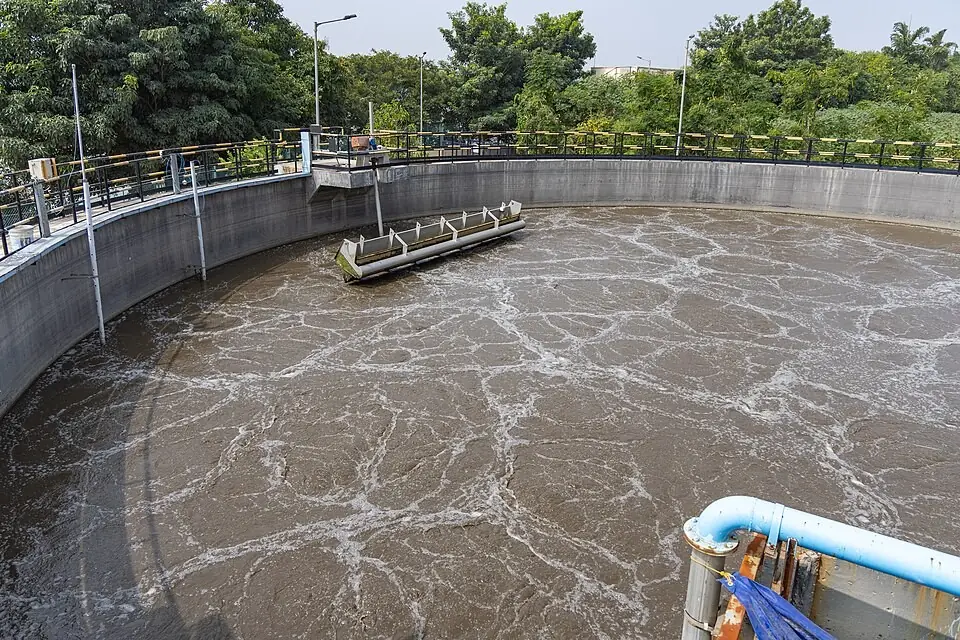
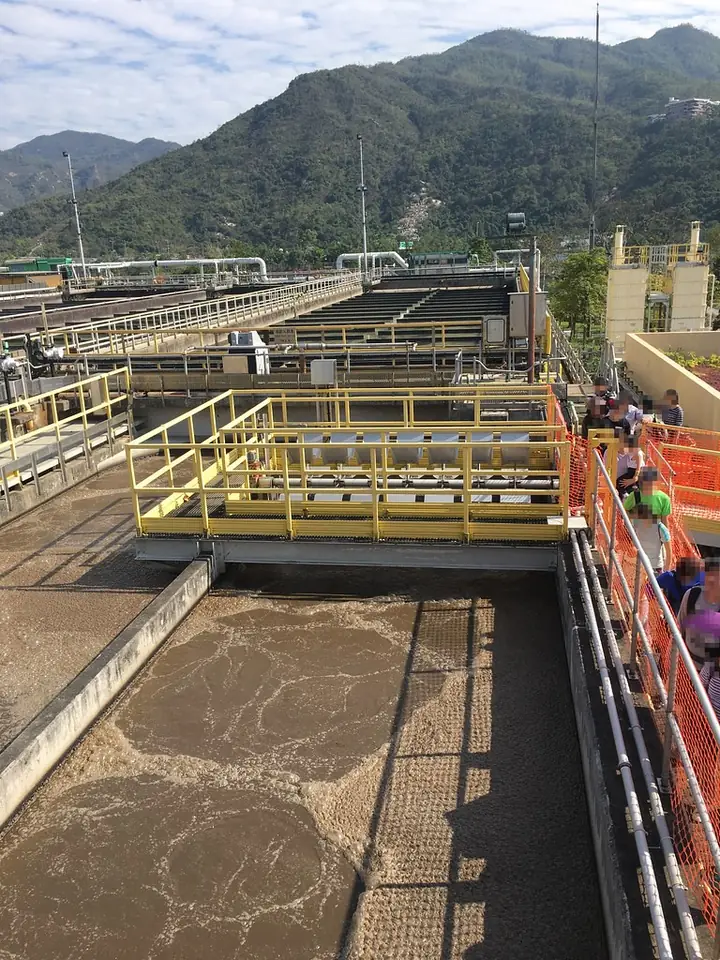
Bacteria in aerated tanks break down the dissolved organic load measured as BOD and COD, and clarifiers settle the biomass. It is the main stage for dyeing effluent, with less chemical use than a chemical-only plant; running cost is mostly blower power.

Chemical ETP

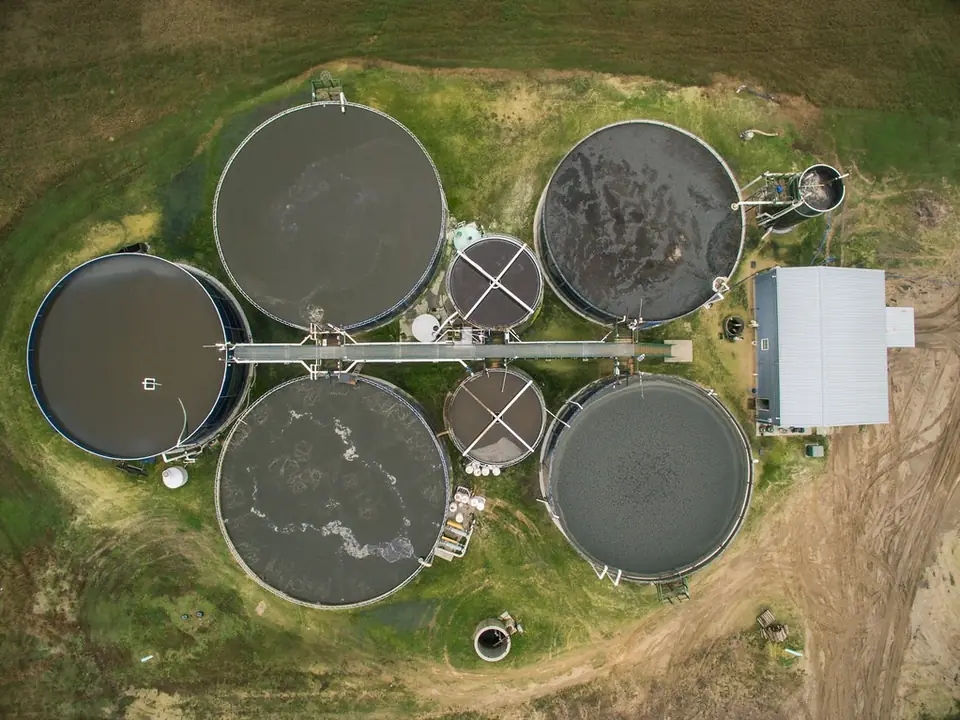
Coagulants such as ferrous sulphate, alum or poly aluminium chloride, with lime and polymer, pull colour and solids into a settling tank. Quick to build and compact, but chemical bills and sludge volume are high, so compare cost per m³ treated.

Zero liquid discharge

Ultrafiltration and reverse osmosis recover most of the water for reuse, and the reject is evaporated to solid salts. It needs steam or large power and skilled operators, so it suits sites with no discharge route or a customer that asks for it.

Sludge dewatering

Presses turn thickened sludge into cake, cutting the volume and weight you store and move. A filter press gives drier cake in batches; a screw press runs continuously with less attention. Ask for the cake dry solids the seller will test against.

Dosing systems

Diaphragm metering pumps, tanks with mixers and pH controllers feed acid, alkali, coagulant and polymer in proportion to flow. Specify materials to suit each chemical, a calibration column on each pump and spare diaphragms.

ETP upgrades

Plants gain capacity or meet tighter limits with MBBR carriers in the aeration tanks, fine bubble diffusers, a better clarifier, tertiary filters or a dewatering press. Start with a flow and load audit, so the upgrade fixes the real bottleneck.

How to specify an effluent treatment plant

Flow and peaks
Daily flow in m³ and the peak in m³ per hour, from meter readings if possible. Batch dyeing drains in surges, so the equalisation tank is sized on the peaks. Allow for planned growth now.
Effluent analysis
Give pH, temperature, COD, BOD, TSS, colour, TDS and oil and grease from composite samples over several days of normal production. Without them, sellers guess and quotes cannot be compared.
Discharge limits
Name the discharge point and the ECR 2023 limits, plus any customer level such as the ZDHC Wastewater Guidelines. Design to the stricter figure for each parameter.
Heat and salt
Dyeing effluent leaves machines hot, and bacteria need it cooled; ask where cooling happens. Reactive dyeing adds salt that biology and dosing do not remove; only membranes and evaporation do.
Site, flooding and ground
Give plot size, any existing tanks and the highest flood level. Tanks, blowers and panels sit above it, and large tanks on soft ground often need piles.
Sludge route
How sludge is handled now and where it goes. Dewatering and a covered sludge store are often left out of lower quotes.
Power, metering and operation
Put blowers on generator backup with phase failure protection. Ask for inlet and outlet flow meters and an energy meter, and say whether the seller should run the plant for a period.

Standards and tests to ask an ETP plant supplier in Bangladesh for

ECR 2023 and DoE clearance
The Environment Conservation Rules 2023 set the effluent limits, and a wet processing unit's Environmental Clearance Certificate from the Department of Environment depends on a working ETP. Get the guaranteed outlet values in writing.
ZDHC Wastewater Guidelines
Many apparel brands test supplier effluent against these guidelines, which set foundational, progressive and aspirational limits. Ask which level the design targets.
Accredited lab performance test
Inlet and outlet samples over an agreed period after stabilisation, taken during normal production, tested at an ISO/IEC 17025 accredited lab against the design basis, with the final payment tied to the result.
Handover file
As-built drawings, P&ID, O&M manual, dosing chart, a safety data sheet to GHS for each chemical, commissioning and test reports and training records. Auditors and DoE inspectors ask for them.

What moves the price of an ETP

  • Flow and peak rate: tanks, pumps and blowers are sized for the peak, not the daily average.
  • Effluent strength: higher COD and colour need a larger biological stage, longer retention or more chemicals.
  • Outlet target: customer limits or reuse add tertiary filters, membranes or full ZLD, which raise capital and energy cost steeply.
  • Tank construction: reinforced concrete, coated steel or FRP, reuse of sound existing tanks, and piling on soft ground.
  • Scope: dewatering, instruments, automation, lab equipment, spares and a period of operation by the seller are often priced separately.

Lead times and delivery

Dosing systems usually take 2 to 6 weeks. An upgrade using existing tanks typically takes 6 to 12 weeks, and a new chemical or biological ETP typically 4 to 6 months from approved design, mostly civil work; ZLD plants with imported membranes and evaporators take longer. Monsoon excavation, piling and late approvals add time. Roptan confirms each date in the quote.

We deliver equipment to your factory anywhere in Bangladesh, from Gazipur to Chattogram (Chittagong), and arrange installation and commissioning through the seller. Commissioning ends with seeding, a performance run tested at an accredited lab during normal production, and operator training. Handover includes drawings, O&M manual, dosing chart, test reports and warranties, with a VAT invoice (Mushak 6.3).

What we check for this order

  • Trade licence and installation recordWe confirm the trade licence and ask for ETPs running on similar effluent, with the client named, so the reference can be checked.
  • Design basis and discharge standardFlow, effluent analysis and guaranteed outlet values go into the quote, because the performance guarantee rests on them.
  • Warranty and after sales in writingWarranty start and length for pumps, blowers and presses, service visits, lab tests and spares such as diaphragms, diffusers and press cloths, included or priced.
  • A visit to a working installationBefore the order is placed, we arrange a visit to a running plant on a similar process during normal production, including its sludge handling and chemical store.

Questions buyers ask

Do I need a biological ETP or a chemical one?

For dyeing effluent, usually both. Chemical treatment removes colour and suspended solids quickly, but leaves much of the dissolved organic load that COD and BOD measure, so most plants add a biological stage and final settling. A chemical-only plant costs less to build and more to run. Ask each seller to justify the process against your lab results.

Can I raise my ETP's capacity without new tanks?

Often, yes. Adding MBBR carriers to the aeration tank, fitting fine bubble diffusers with a larger blower, or improving the clarifier can raise capacity, and reusing sound concrete saves cost and time. A flow and load audit comes first, so the seller shows which stage limits the plant today.

What does an ETP cost to run?

Chemicals, electricity for blowers and pumps, sludge dewatering and disposal, lab tests and operator time. Ask every seller for chemical use per m³, running kW and sludge per day, which together give cost per m³ treated, and for the dosing chart used at commissioning, so real consumption can be checked against the promise.

Is zero liquid discharge worth it for a dyeing factory?

Only if you have no discharge route, water is scarce or a customer requires it. ZLD recovers most of the water and ends discharge, but adds membranes, evaporators, steam or power and skilled operation, and leaves salt you must store or dispose of. Ask for the running cost per m³ and compare it with your water and treatment costs today.

How long before a new ETP gives passing results?

Plan for a few weeks after start-up. The biological stage needs time to grow enough bacteria, and dosing must be tuned to real production. Ask the seller to stay until the treated effluent passes an accredited lab test at normal production, and link the final payment to it.

How soon will I hear back about ETP plant?

Within 48 hours of a complete requirement, with a price and a delivery date. A requirement is complete when it has the capacity, where it is needed and by when.

Who do I deal with?

With Roptan, when Roptan manages the order: we buy from the verified seller and deliver to you. With the supplier directly, when you post on the requirement board and choose a quote yourself.