Buying box compression testers in Bangladesh
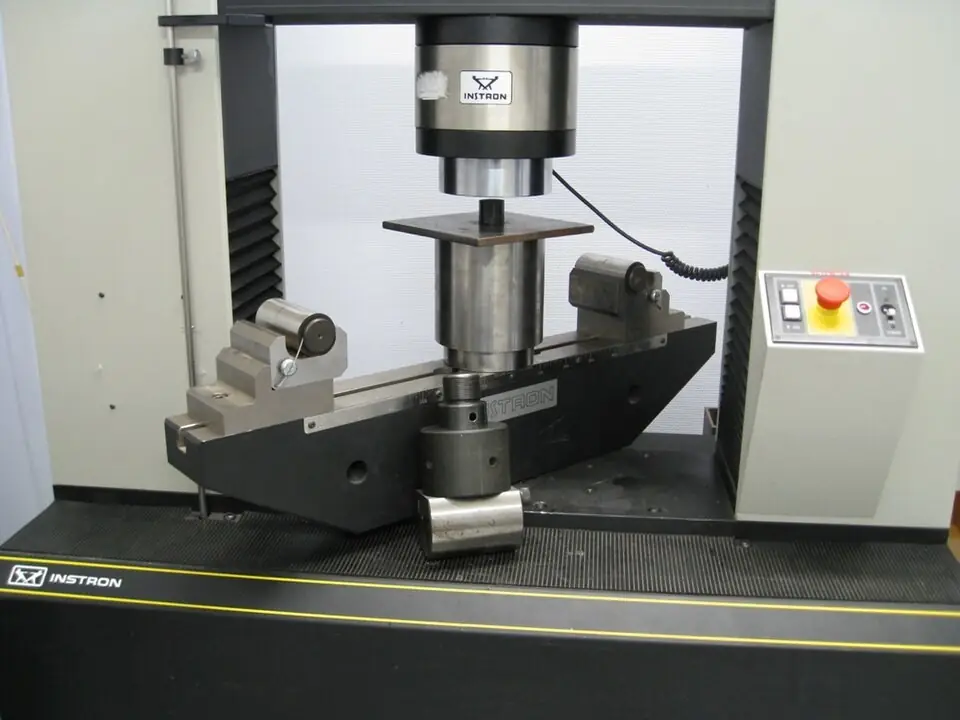
A box compression tester presses a corrugated box, empty or filled, between two platens until it fails, and records the peak load and how far the box gave. It measures the finished box, not the board it is made from. Carton plants and exporters of heavy goods use the result to judge whether a box will hold up in a warehouse stack.
These machines are imported: Bangladesh exports almost none, so a box compression tester supplier in Bangladesh is usually a trader or a maker's agent. Roptan compares offers from verified sellers on platen size, capacity and test speed, checks the calibration certificate, and has the seller install the machine and train your staff.
How to specify a box compression tester
- Platen size
- The largest carton must fit inside the platens. One vendor pairs 600 mm platens with boxes up to 550 x 550 mm, so allow about 50 mm on each side.
- Capacity
- State the highest load your strongest filled carton should take, plus margin. Bench machines usually come at 5 or 10 kN; heavy export packs may need 30 kN.
- Test speed
- The commonly cited rate is about 13 mm (half an inch) per minute; one vendor sets 10 mm per minute. Name your method and ask whether the speed adjusts.
- Conditioning room
- Corrugated board usually sits at 6.5 to 9.5 per cent moisture, and compression strength falls above that. Plan a dehumidified room or chamber at 23 °C and 50 per cent relative humidity.
- Site and power
- One vendor's bench machine runs on single phase, 50 Hz, weighs about 380 kg and stands about 2 m high. Check floor and door clearance and add a stabiliser.
Test methods and calibration for box compression testers
- ASTM D642
- Compressive resistance of shipping containers, components and unit loads. Check the machine's speed and platens follow the edition your buyer names.
- EN ISO 12048
- The compression and stacking test for complete, filled transport packages, which ASTM says D642 fulfils. European buyers may name it instead.
- ASTM D4577
- Compression resistance of a container under constant load, the long stacking test. It needs a constant-load rig, not only a motorised machine.
- ISO 7500-1 and ASTM E4
- Force calibration and verification of testing machines. ISO 7500-1 checks a machine against the limits of a stated class, so ask which class and over which load range.
- ISO/IEC 17025 certificate
- Ask which accredited lab issued the calibration certificate. The Bangladesh Accreditation Board accredits labs here; check that the lab's scope covers your force range.
Lead times and delivery
No seller publishes a delivery time for Bangladesh. The time depends on whether a trader holds the model or it is built to order abroad, the platen size and software chosen, freight and customs clearance, and calibration before dispatch. Marketplace sellers usually take one set as the minimum. Roptan confirms the dates and the minimum in the quote.
The seller delivers to your lab, levels the frame, checks the load reading with a reference force device and trains your staff on your own cartons. At handover you receive the VAT invoice (Mushak 6.3), the calibration certificate with the load cell serial number, the manual, the software licence and the written warranty.
Questions buyers ask
Can I work out box strength from the edge crush figure instead?
Only as an estimate. The McKee formula, published in 1963, predicts box compression from the board's edge crush value, its stiffness and the box perimeter and depth. It does not suit filled boxes, so a pack that ships full usually still needs a physical test.
Why do two machines give different results on the same box?
Platen design is a common reason. A fixed top platen usually reads higher than a swivel one, because the box fails at its strongest point. Test speed and conditioning also change the figure, so agree all three with your buyer before you compare.
Should we test empty or filled boxes?
Both are possible. An empty box shows the strength of the carton itself. A filled, closed box shows how the pack behaves as shipped, which formula estimates cannot give you. Ask your buyer which one their specification calls for.
Who calibrates the machine after installation?
Settle it before you order. The Bangladesh Accreditation Board accredits calibration labs to ISO/IEC 17025, but whether a local lab covers your force range has to be confirmed. Ask the seller which lab will recalibrate the machine, how often and how, and put the answer in the quote.
How soon will I hear back about testing instruments?
Within 48 hours of a complete requirement, with a price and a delivery date. A requirement is complete when it has the model or specification, where it is needed and by when.
Who do I deal with?
With Roptan, when Roptan manages the order: we buy from the verified seller and deliver to you. With the supplier directly, when you post on the requirement board and choose a quote yourself.