Buying wheat flour in Bangladesh
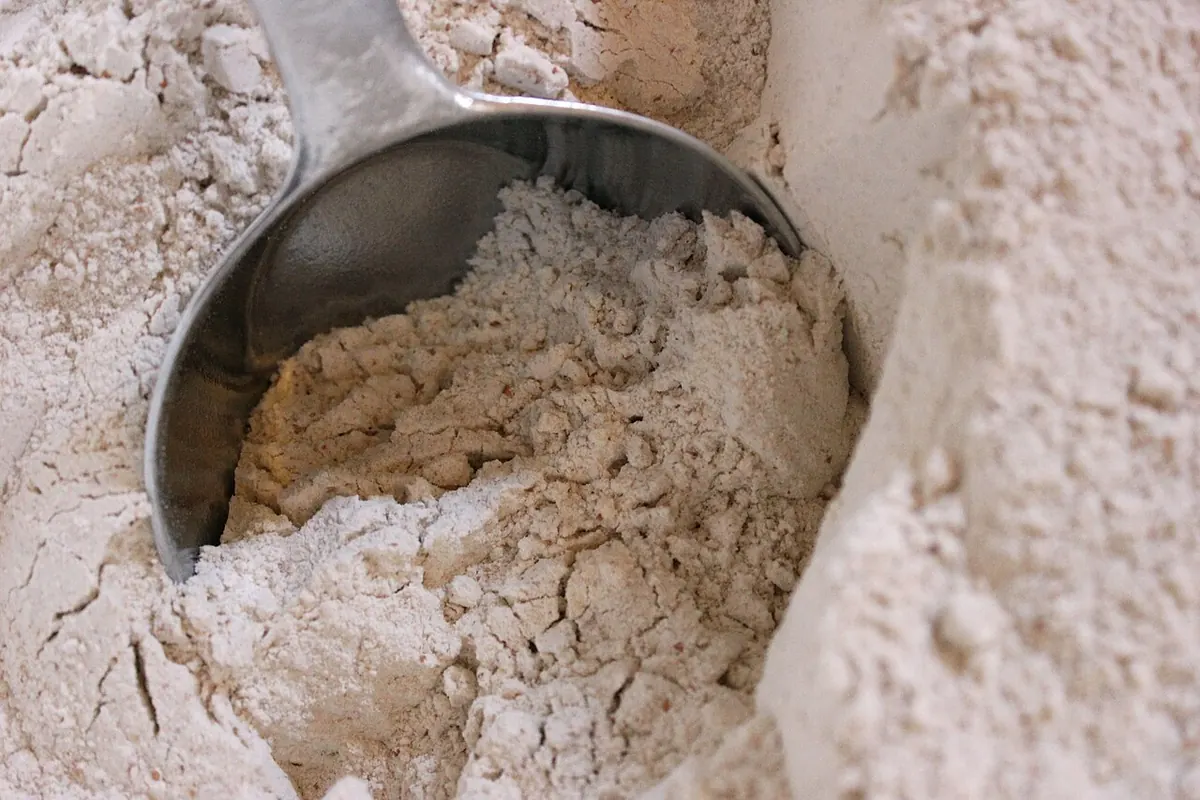
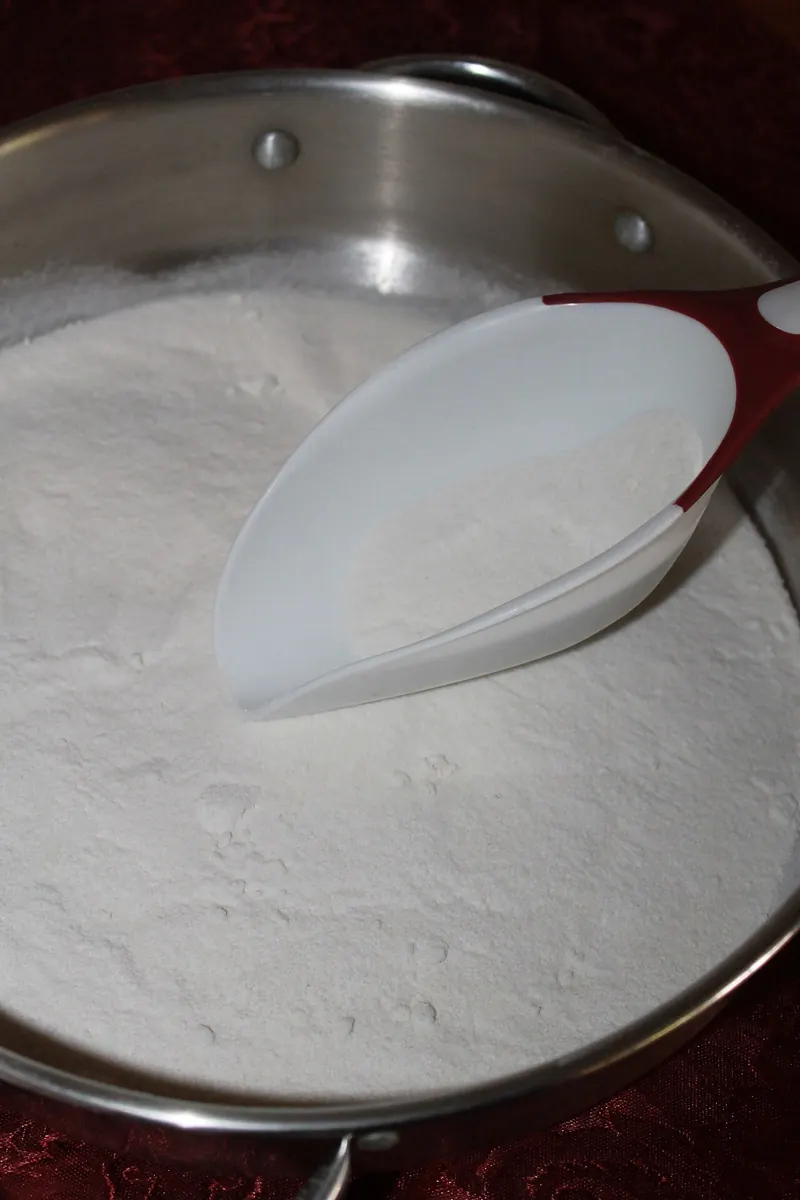
Atta is whole wheat flour, usually made in Bangladesh by grinding whole wheat in larger mills or roller flour mills. Maida is endosperm only, usually bleached and very white; sooji is coarse-ground endosperm, or semolina. Households usually buy atta for chapatis and parathas, while ready-made bread is mainly maida. Bakeries, noodle and biscuit makers and importers buy in bulk.
Atta and maida need different specifications, and a wheat flour exporter in Bangladesh should treat them as two products. Roptan agrees the type, moisture, ash, protein and falling number with a verified mill, checks the mill's hygiene certificate, has each lot tested and inspected for insects and odours, then delivers to your site or ships.
How to specify wheat flour
- Type and extraction
- Atta, maida or sooji, and the extraction rate. Whole-grain flour usually leaves about 2 g ash per 100 g, white flour at 50 to 60 per cent extraction about 0.4 g.
- Moisture
- Codex allows up to 15.5 per cent for wheat flour and advises lower limits for long transport and storage. For atta, agree the limit with the mill.
- Protein and gluten
- Bread flour usually carries 12 to 14 per cent gluten. Give the figure your process needs and the test method.
- Falling number
- Measures amylase activity, which shows sprout damage in the wheat, to ISO 3093. With protein and ash, it predicts baking and noodle performance.
- Ash
- Tested to ISO 2171; it shows how much bran remains, so it separates atta from maida.
- Treatment
- Bleached or unbleached, and which improvers your market allows. Codex lists treatment agents with limits, but the importing country decides.
Standards and tests for wheat flour
- Codex CXS 152-1985
- The Codex Standard for Wheat Flour covers flour from common wheat, such as maida. It excludes whole-wheat flour, semolina and durum flour.
- BDS 1793:2008
- BSTI's specification for fortified wheat atta: composition, fortificants, hygiene, packing, labelling and the BSTI certification mark. Roptan checks per order whether the mark is required.
- Regulation (EU) 2023/915
- EU limits that reach wheat flour: deoxynivalenol 600 micrograms/kg for milling products of cereals since July 2024, aflatoxin B1 2.0 and total aflatoxins 4.0 micrograms/kg, and cadmium 0.10 mg/kg set on the wheat grain.
- HACCP or ISO 22000
- A current hygiene certificate for the mill, since raw flour is not a ready-to-eat food and can carry bacteria such as E. coli.
Lead times and delivery
We give no standard lead time or minimum for wheat flour. A mill's regular grade from stock moves faster than flour blended to a new specification, which needs a trial lot and lab results. Printed retail packs add time for bag artwork and printing. Roptan confirms dates and the minimum in the quote.
Inside Bangladesh, Roptan delivers flour to bakeries, food factories and caterers with a weight list, lab reports and a VAT invoice (Mushak 6.3). Wheat, flour and atta are on the Mandatory Jute Packaging Act 2010 list, so bulk sacks usually go in jute; BDS 1793 itself calls for jute above 65 kg and suggests packs of 500 g to 5 kg.
Buying wheat flour for export
Atta and maida both export under HS 1101, wheat or meslin flour; sooji goes under HS 1103, cereal groats and meal. The UK and EU tariff splits wheat flour into durum and common wheat. If you claim a duty preference, origin is checked against that scheme's rule before shipping. We quote FOB Chattogram, with the seller's Export Registration Certificate.
Questions buyers ask
What is the difference between atta and maida?
Atta is whole wheat flour, with the bran milled in, so it is darker and higher in ash and fibre. Maida is the endosperm only, usually bleached and very white. They answer to different standards: Codex covers maida, while atta needs a buyer or BSTI specification.
Is fortified wheat flour mandatory in Bangladesh?
Bangladesh has a BSTI standard for fortified atta, BDS 1793:2008. Whether fortification or the BSTI mark is required for your product and pack is a question Roptan checks per order with the mill and BSTI's current list.
What does the falling number tell me?
It shows sprout damage in the wheat by measuring amylase activity, to ISO 3093. It is one of the figures that predict baking and noodle performance, so bakeries and noodle makers usually state a minimum falling number in the order.
Should I ask for bleached or unbleached flour?
It depends on your market. Codex lists treatment agents with maximum levels, but many importing countries restrict some of them. Tell us where the flour goes and what you make, and we state bleached or unbleached and any improvers in the order.
How soon will I hear back about rice and flour?
Within 48 hours of a complete requirement, with a price and a delivery date. A requirement is complete when it has the quantity, where it is needed and by when.
Who do I deal with?
With Roptan, when Roptan manages the order: we buy from the verified seller and deliver to you. With the supplier directly, when you post on the requirement board and choose a quote yourself.