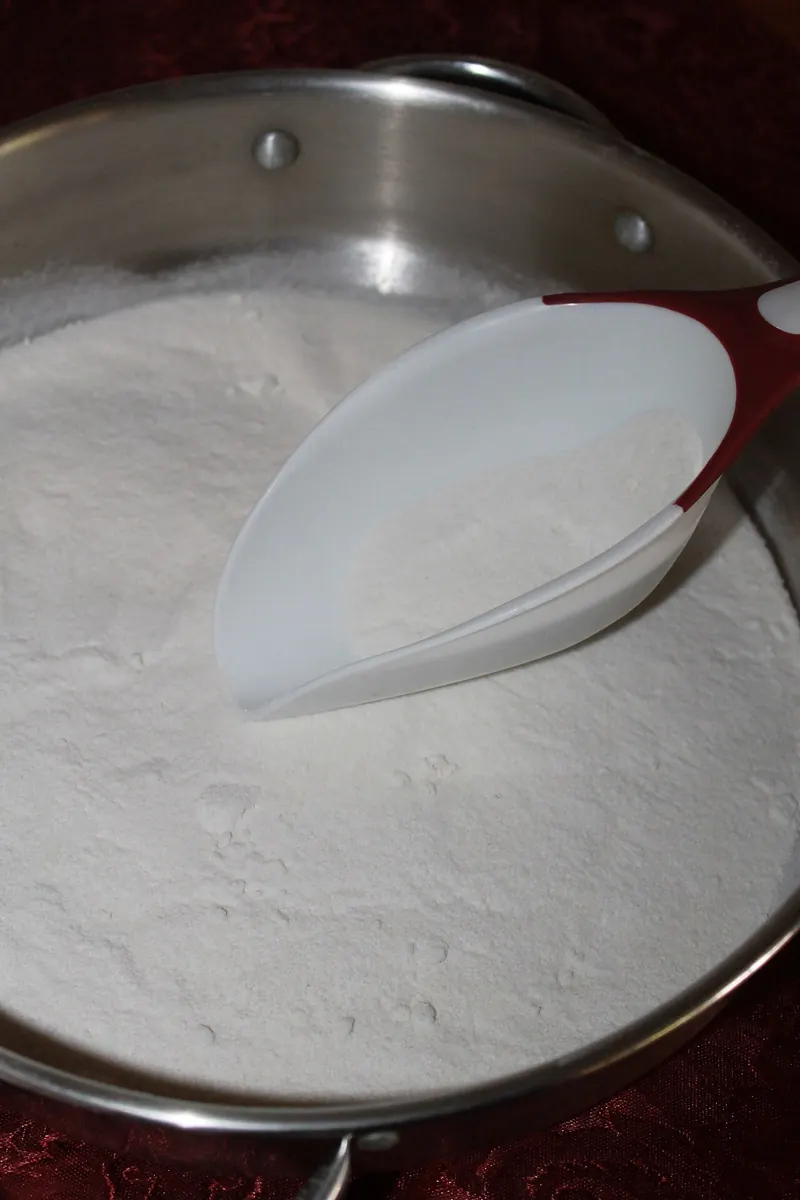
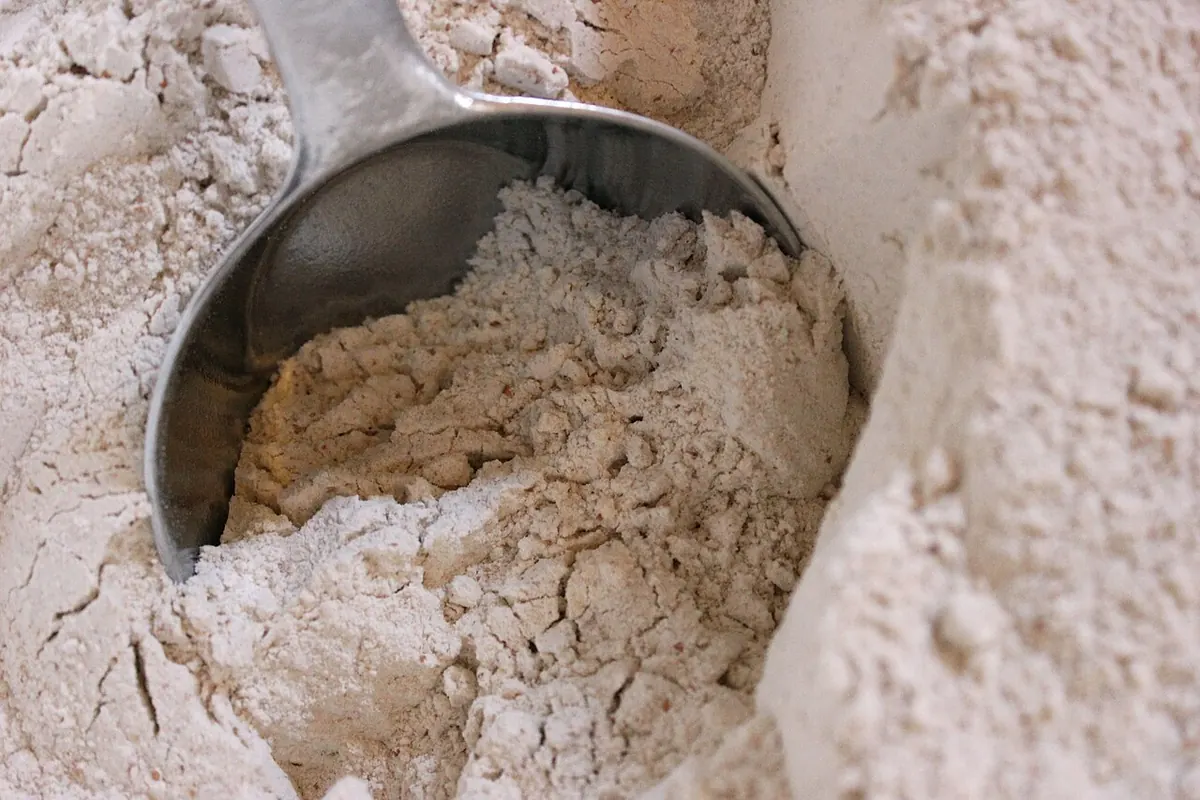
Buying rice flour in Bangladesh
Rice flour is finely milled rice, a different product from rice starch, which is usually made by steeping rice in lye. In Bengali cooking it goes into roti and into sweets such as pitha and sandesh. Elsewhere it typically replaces wheat flour in gluten-free baking and thickens chilled or frozen sauces, because it slows liquid separation.
The Codex rice standard stops at the grain, so a rice flour exporter in Bangladesh works to the buyer's specification. Roptan writes the rice, milling route, particle size and moisture into the order with the mill, checks its hygiene certificate, has inorganic arsenic and microbiology tested on your lot, then delivers or ships.
How to specify rice flour
- Rice and origin
- The rice type, white, brown or glutinous, and where the paddy grew. The rice itself can be graded to Codex, with moisture up to 15 per cent.
- Milling route
- Dry or wet milled, since storage, shelf life and use differ. Wet-milled flour usually needs frozen storage and transport.
- Particle size
- State the size distribution, as a sieve or mesh or as d50 in microns, for your use. In one gluten-free bread study, fine and coarse fractions behaved differently with water.
- Moisture
- Set a flour moisture limit for your climate and shelf life. The buyer and mill agree the figure in the quote.
- Gluten-free status
- If you sell it as gluten-free, ask the mill to document that no wheat is milled or handled on the same line.
- Microbiology
- Raw flour can carry bacteria such as E. coli. Agree the tests and limits in the quote and ask for results on your lot.
Standards and tests for rice flour
- Codex CXS 198-1995 scope
- The Codex rice standard covers husked, milled and parboiled rice, not products made from rice. Use it for the rice going in; the flour specification is yours.
- Regulation (EU) 2023/915
- Inorganic arsenic in rice flour 0.25 mg/kg, and 0.10 mg/kg for rice in infant food. The EU deoxynivalenol limit for flour excludes rice products; aflatoxin limits still apply.
- HACCP or ISO 22000
- A current hygiene certificate for the site that mills and packs your flour, in that site's name.
Lead times and delivery
We give no standard lead time or minimum for rice flour. Dry-milled flour from a mill's usual grind moves faster than a new particle size, which needs a trial lot and your approval. Wet-milled flour depends on cold storage and transport. Lab results add time before release. Roptan confirms dates and the minimum in the quote.
Inside Bangladesh, Roptan delivers dry-milled rice flour in sealed bags to bakeries, snack makers and caterers, with lot numbers on each bag, the lab reports you ordered and a VAT invoice (Mushak 6.3). Wet-milled flour travels frozen. We agree the pack with you and the mill before the order is placed.
Buying rice flour for export
Rice flour falls under HS 1102.90, other cereal flours, with its own sub-line in the UK and EU tariff, 1102 90 50. Rice export rules change, so Roptan checks with the Ministry of Commerce whether any rice rule reaches flour before quoting. The seller ships under its Export Registration Certificate, and we quote FOB Chattogram.
Questions buyers ask
Is rice flour gluten-free?
Rice flour is used in gluten-free baking, but a gluten-free claim also depends on the mill. If wheat is milled or handled on the same line, cross-contact is possible. Ask the mill to document its controls, and test a lot if your market requires a gluten-free label.
What is the difference between rice flour and rice starch?
Rice flour is milled rice, ground fine. Rice starch is a separate product, usually made by steeping rice in lye to separate the starch. A recipe or process built on one will not run the same on the other, so name the one you need on the order.
Which arsenic limit applies to rice flour?
In the EU, 0.25 mg/kg of inorganic arsenic under Regulation (EU) 2023/915, the same as parboiled rice and higher than the 0.15 mg/kg for white rice. Flour for infant and young-child food must meet 0.10 mg/kg. Tell us your market, and we test your lot against its limit.
How long does brown rice flour keep?
It depends on the bran. Brown rice flour holds the bran, whose fat can go rancid unless its enzymes were inactivated. Ask the mill how the bran was stabilised and what shelf life it dates the lot for, and order to your use rate.
How soon will I hear back about rice and flour?
Within 48 hours of a complete requirement, with a price and a delivery date. A requirement is complete when it has the quantity, where it is needed and by when.
Who do I deal with?
With Roptan, when Roptan manages the order: we buy from the verified seller and deliver to you. With the supplier directly, when you post on the requirement board and choose a quote yourself.