Buying potato flakes in Bangladesh
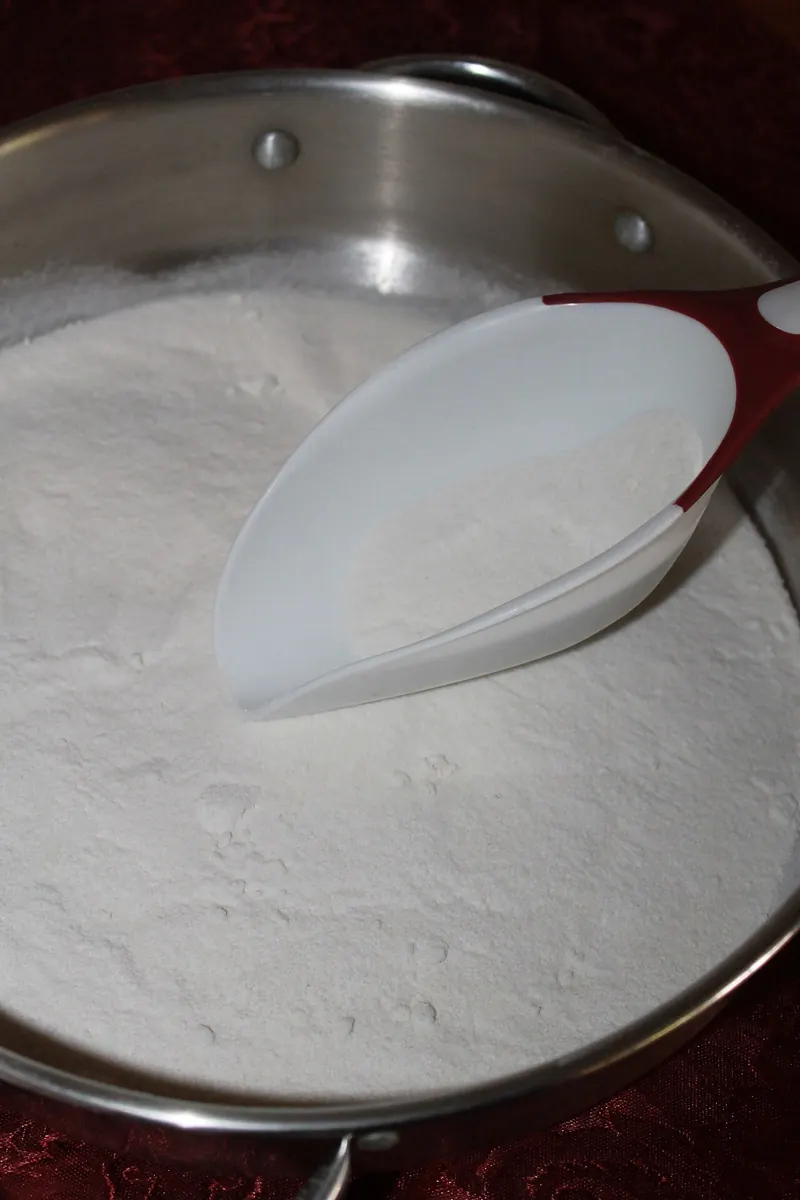
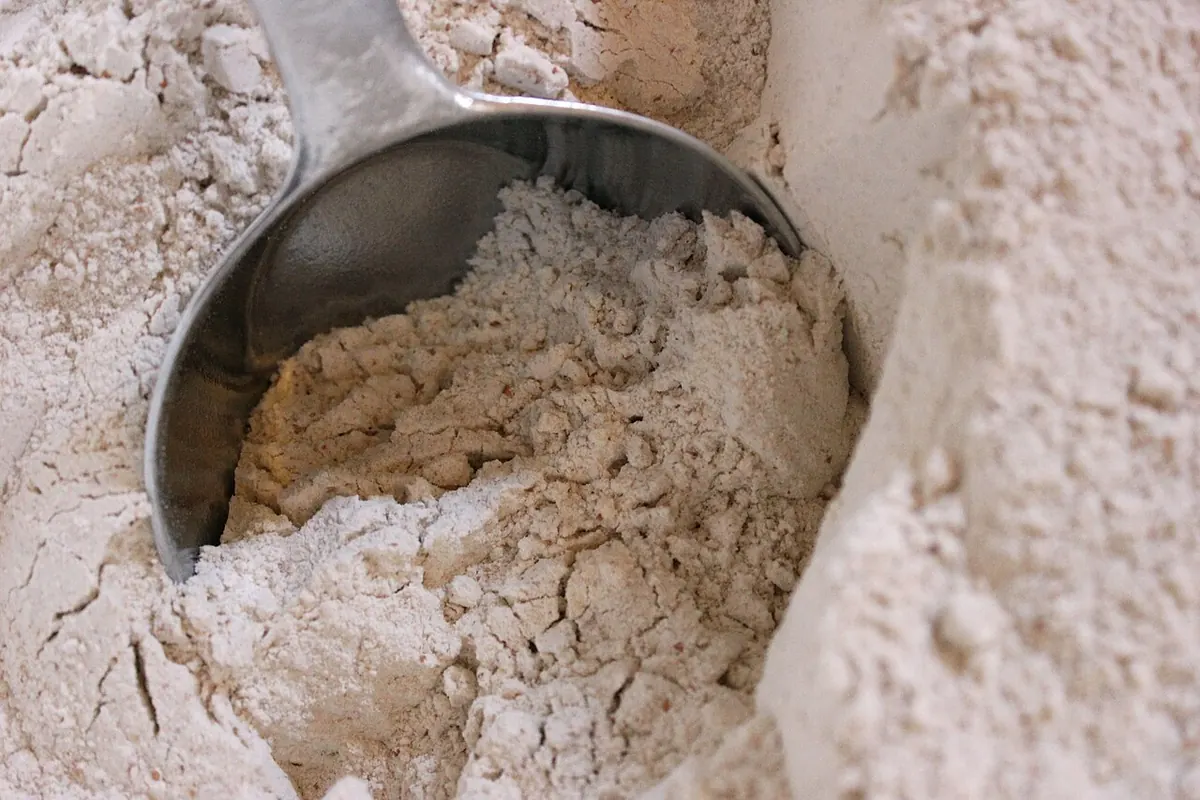
Potato flakes are cooked, mashed potato dried in a thin sheet on heated drums and broken into flakes. Hot water, milk or both turn them back into mash. Flakes are typically the form used in retail instant mash, and snack makers use dehydrated potato in potato-dough snacks. Bangladesh grows potatoes on a large scale and exports flakes under their own customs line.
We know of no Codex or ISO product standard for flakes, so a potato flake exporter in Bangladesh works to the buyer's sheet. Roptan writes moisture, colour, reducing sugars and additives into the order with a verified plant, checks the certificate of analysis on each lot, and delivers or ships.
How to specify potato flakes
- Form and size
- Flake, granule or flour, and the sieve or screen size, agreed between you and the plant.
- Moisture
- State the figure and whether it is on a dry or wet basis. Moisture depends on how the drums are run, so the plant must hold it lot to lot.
- Colour
- Measured as an L value, which drum speed and steam pressure also change. Agree a target and a sealed reference sample.
- Reducing sugars
- Snack makers in the EU must set targets for reducing sugars in dehydrated potato ingredients, to limit acrylamide. Ask for the figure on each certificate.
- Sulphites and additives
- Declare any sulphite, antioxidant or colour, and test it against your market's current additive list.
- Glycoalkaloids
- If your customers ask, request total glycoalkaloids, solanine and chaconine, on the certificate of analysis.
Rules and tests for potato flakes
- Regulation (EU) 2017/2158
- The EU acrylamide rule. Makers of potato-dough snacks must set reducing-sugar targets for dehydrated potato, and the supplier or user must analyse it before use.
- EU additive list
- Regulation (EC) No 1333/2008, Annex II, has entries for dehydrated potato, including sulphites. It has been amended many times, so check the current consolidated text before quoting a limit.
- HACCP or ISO 22000
- A current hygiene certificate for the plant that cooks, dries and packs your flakes, in that site's name. Flakes are a cooked food, so ask for microbiology results on your lot as well.
- EFSA glycoalkaloid opinion, 2020
- EFSA set a reference point for acute effects of potato glycoalkaloids and found a health concern for younger age groups at high intakes. We know of no EU maximum level for flakes.
Lead times and delivery
We give no standard lead time or minimum for potato flakes. Time depends on whether the plant has stock in your form and specification, whether a trial lot and approval are needed for new colour or moisture targets, and how long lab results take. Roptan confirms dates and the minimum in the quote.
Inside Bangladesh, Roptan delivers potato flakes to snack and food makers with the certificate of analysis for each lot, lot numbers on the bags and a VAT invoice (Mushak 6.3). The pack is agreed with you and the plant before the order.
Buying potato flakes for export
Potato flakes ship under HS 1105.20, flakes, granules and pellets; potato flour is a separate line, HS 1105.10. Roptan checks the rules for your order and market before quoting, and the seller ships under its Export Registration Certificate. We quote FOB Chattogram, with the certificate of analysis for each lot.
Questions buyers ask
Why do snack makers ask for reducing sugars?
Reducing sugars in potato feed acrylamide when snacks are fried or baked. Under EU Regulation 2017/2158, makers of potato-dough snacks must set reducing-sugar targets for dehydrated potato and have it analysed before use. Ask for the figure on every certificate of analysis.
What is the difference between flakes and granules?
Both are dehydrated mashed potato. Flakes are dried in thin sheets on heated drums and are typically used in retail instant mash; granules are generally used more by institutions and restaurants. Customs class them together under HS 1105.20.
Do potato flakes contain sulphite?
Some do. EU additive law has entries for sulphites in dehydrated potato products, and it has been amended many times since 2011. Ask the plant to declare any sulphite, and we test the lot against your market's current list.
What are glycoalkaloids, and should I test for them?
Solanine and chaconine are natural potato toxins. EFSA's 2020 opinion found a health concern for younger age groups at high intakes. We know of no EU maximum level for them in flakes, so testing is your choice; it matters most for products aimed at children.
How soon will I hear back about rice and flour?
Within 48 hours of a complete requirement, with a price and a delivery date. A requirement is complete when it has the quantity, where it is needed and by when.
Who do I deal with?
With Roptan, when Roptan manages the order: we buy from the verified seller and deliver to you. With the supplier directly, when you post on the requirement board and choose a quote yourself.