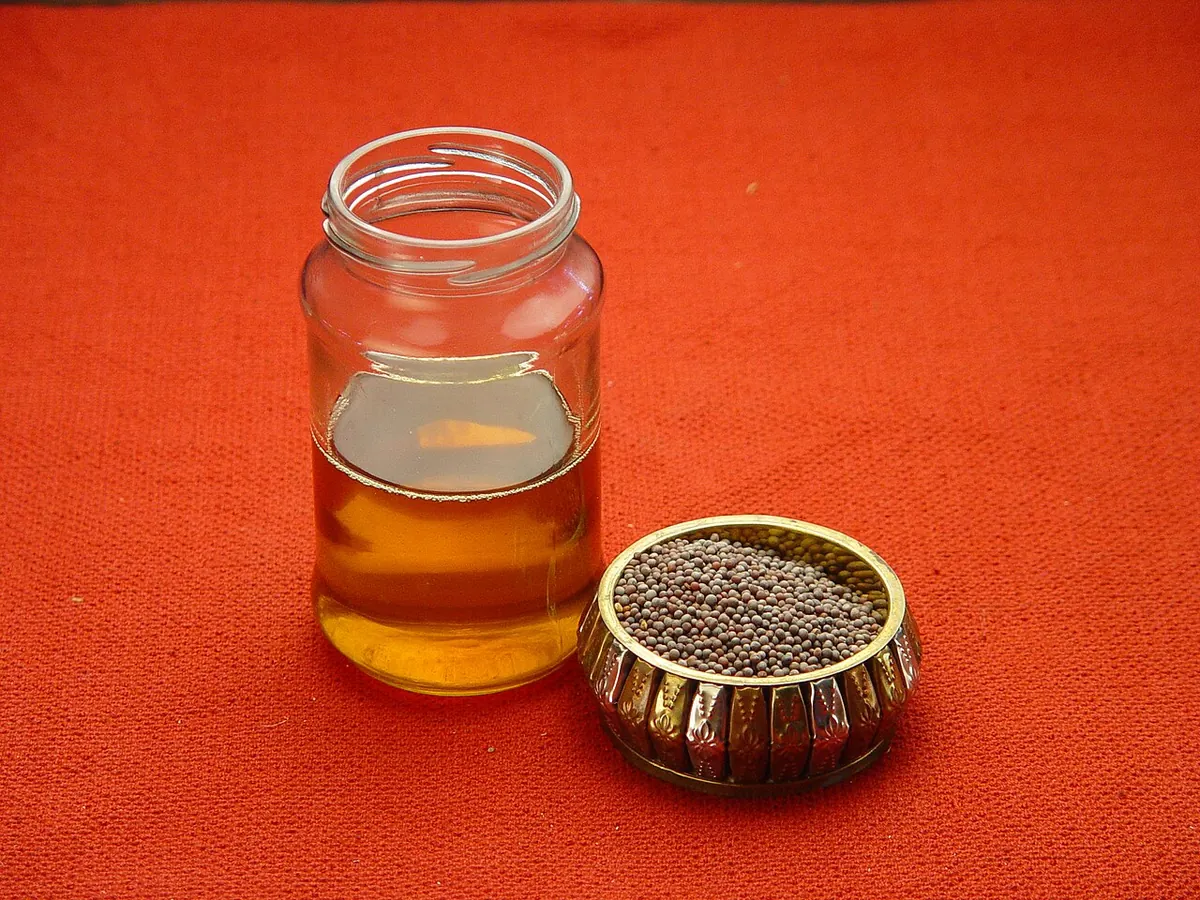
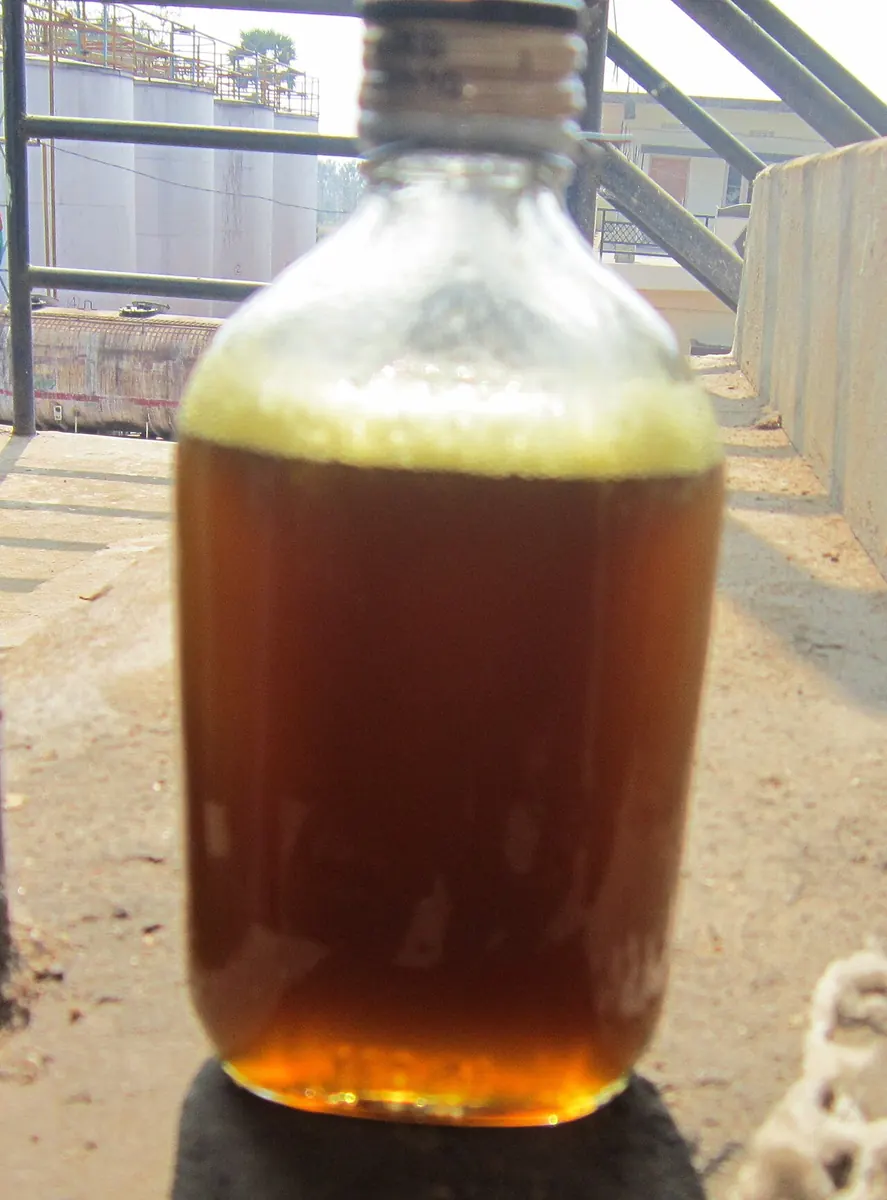
Buying vegetable ghee in Bangladesh
Vegetable ghee, or vanaspati, is a vegetable fat hardened to stay solid or semi-solid at room temperature, with a grainy texture like dairy ghee. Across South Asia it is a cheaper everyday stand-in for ghee and butter. In Bangladesh it is usually made by the oil refining industry, and BSTI licenses it under its own standard, apart from dairy ghee.
Since 31 December 2022, the trans fat limit decides what a vegetable ghee exporter in Bangladesh can sell. Roptan sources from verified, BSTI-licensed makers, asks how the fat is made, and has trans fat certified on a certificate the food safety authority recognises.
How to brief a vegetable ghee exporter in Bangladesh
- How the fat is made
- Partially hydrogenated, interesterified or a palm fraction blend. The route sets the trans fat risk and the label wording.
- Trans fat
- 2 g per 100 g of fat or less, on a certificate for each lot.
- Slip melting point
- A range to ISO 6321:2021 that suits the climate, since Bangladesh's heat softens a low-melting fat.
- Iodine value
- To ISO 3961:2024, as a measure of hardening. Market hydrogenated cooking fats in a 2024 Bangladeshi study read 37.1 to 42.3.
- Freshness
- Acid value to ISO 660:2020, peroxide value to ISO 3960:2017 and moisture to ISO 662:2016, with limits in the contract.
- Name on the label
- 'Vegetable ghee' or 'vanaspati', never plain 'ghee', in the language your market reads.
Rules and standards for vegetable ghee
- SRO 332-Law/2021
- BFSA's Trans Fatty Acid Control in Foodstuffs Regulations 2021: no oil or fat above 2 g of trans fat per 100 g of fat may be sold, stored, made or imported from 31 December 2022.
- BDS 804 for vanaspati
- BSTI's 2021 mandatory list puts vanaspati under BDS 804 and butter oil and ghee under BDS 908: two products, two licences.
- Regulation (EU) 2019/649
- Caps trans fat not natural to animal fat at 2 g per 100 g of fat in consumer food; suppliers to other businesses must state any higher amount.
- US FDA ruling on partially hydrogenated oils
- No longer generally recognised as safe since 2015; makers could not add them to food after 18 June 2018, with final compliance by 1 January 2021.
Lead times and delivery
No typical lead time can be given. Fat in the maker's standard tins moves faster than a blend made to your slip point, which needs a trial batch and approval; private label tins wait for printing; and the trans fat certificate must be issued before the lot leaves. Roptan confirms the dates and the minimum order in the quote.
Inside Bangladesh we deliver in tins, jars, cartons or drums to bakeries, sweet makers and food plants. Store it cool, since heat softens a fat with a low slip point. Each lot comes with its trans fat certificate, the maker's BSTI licence for vanaspati and a VAT invoice (Mushak 6.3).
Buying vegetable ghee for export
Bangladesh exports little vegetable ghee. For the EU and the US, offer an interesterified or palm-based fat: the US no longer accepts partially hydrogenated oils in food, and the EU caps trans fat at 2 g per 100 g of fat. It usually ships under HS 1516.20, FOB Chattogram, with the trans fat certificate. Halal can come from BSTI or the Islamic Foundation Bangladesh.
Questions buyers ask
Can vegetable ghee be labelled trans fat free?
No. Bangladesh's 2021 trans fat regulation bars any 'trans fat free' or 'low trans fat' claim on labels, marketing or adverts, and bars the expression 'non-hydrogenated'. The label must state trans fat per 100 g of fat and say 'fully' or 'partially hydrogenated' where the fat is hydrogenated.
Is vegetable ghee the same as ghee?
No. Ghee is a dairy fat and vanaspati a hardened vegetable fat, licensed under separate BSTI standards. Vanaspati is a documented adulterant of dairy ghee, so order and label it as vegetable ghee or vanaspati. The 2021 limit exempts trans fat natural to animal fat, not vanaspati's.
Which test proves the trans fat level?
A certificate the Bangladesh Food Safety Authority recognises, from a current method in the WHO protocol or from ISO, AOAC, AOCS or IDF. Infrared spectrometry to ISO 13884 and a GC fatty acid profile to ISO 12966-4:2026 are both current ISO methods. Ask for the result per 100 g of fat, not per 100 g of product.
Why test vegetable ghee for nickel?
Hydrogenation uses a supported nickel catalyst, and a 2024 Bangladeshi study of market fats and oils found nickel in every type tested, above the level its authors advise. Ask for residual nickel and lead on hydrogenated lots; fats made without hydrogenation skip the catalyst.
How soon will I hear back about edible oils?
Within 48 hours of a complete requirement, with a price and a delivery date. A requirement is complete when it has the quantity, where it is needed and by when.
Who do I deal with?
With Roptan, when Roptan manages the order: we buy from the verified seller and deliver to you. With the supplier directly, when you post on the requirement board and choose a quote yourself.