Buying natural casings in Bangladesh
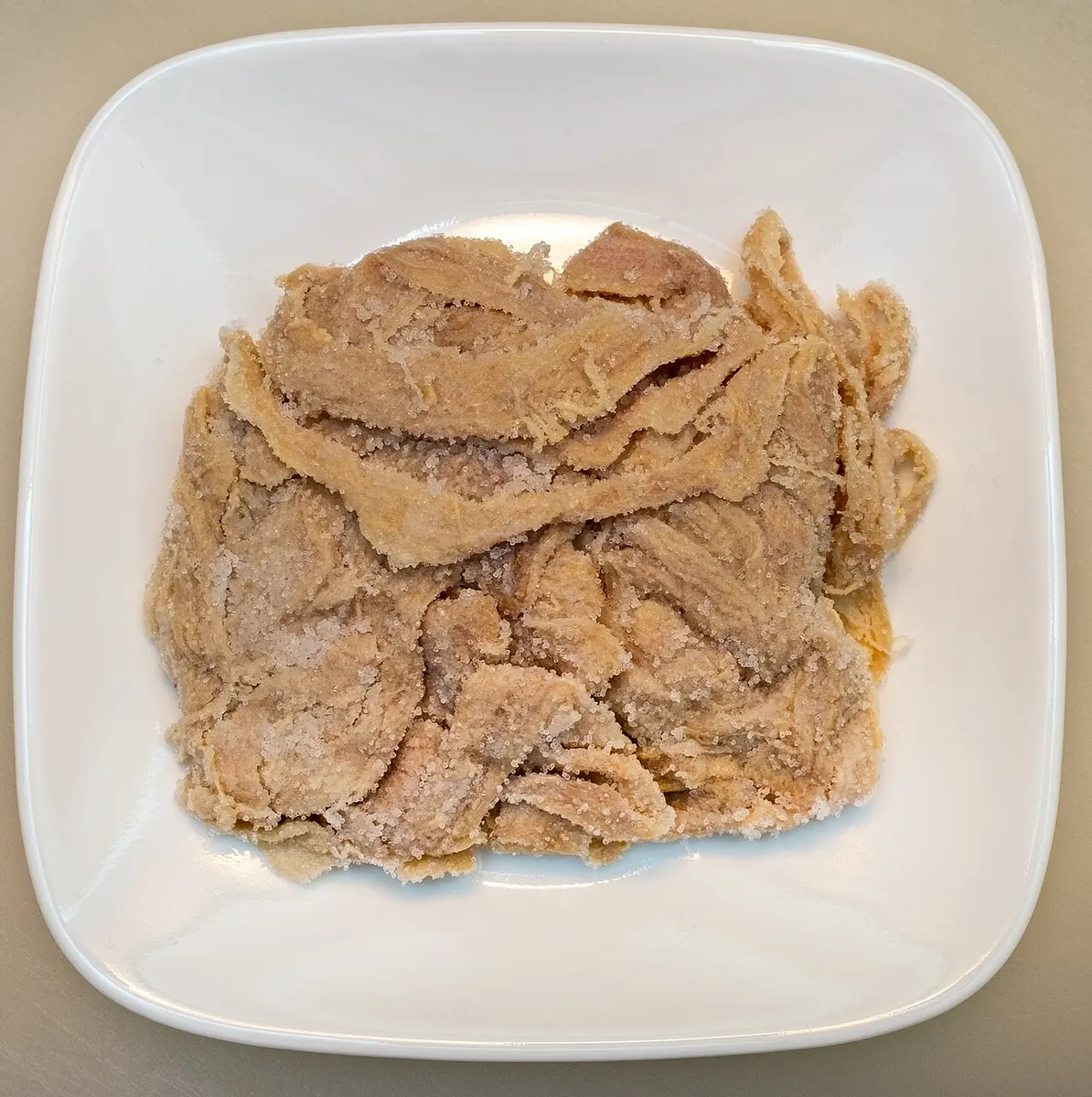
A natural casing is the cleaned submucosa of an animal's intestine, mostly collagen, salted so that it keeps. Processors clean and salt the intestines, then grade them by diameter into hanks or sets for sausage makers. In Bangladesh the raw material comes from cattle, buffalo, goats and sheep, so the casings are beef, goat and sheep rather than pig.
Two checks decide a casing order: your quality team measures calibre and length, and your veterinary authority may ask for the salting record as well as the health certificate. A natural casing supplier in Bangladesh has to pass both. Roptan sources from casing processors, asks which slaughterhouse each lot came from, checks the put-up and salting dates, measures a sample and makes sure the papers match your market.
How to brief a natural casing supplier in Bangladesh
- Species and part
- Sheep or goat small intestine, beef rounds, middles or bungs. US rules treat bovine casings separately, so the species decides the papers.
- Calibre
- The diameter range in millimetres, such as 20 to 22 mm, and how much of the lot may fall outside it.
- Put-up
- Hanks are usually 91 m for sheep and goat, and sets 32 m for beef. State the most strands per hank and the shortest strand, usually no less than 2 m.
- Preservation and pack
- Dry salted or in brine; loose, in net packs, in vacuum packs or tubed for stuffing machines. Beef casings come mainly loose or in nets.
- Certificate wording
- Send the model health certificate your veterinary authority uses, so the processor and the Bangladeshi authority can match it before production.
Health rules and certificates for casings
- WOAH Terrestrial Animal Health Code, Article 8.8.38
- For ruminant and pig casings: at least 30 days in dry salt, saturated brine or phosphate-supplemented salt, kept above 12°C, to inactivate foot and mouth disease virus.
- US 9 CFR Part 96
- Casings enter only with a certificate signed, or endorsed, by a veterinarian salaried by the national government, covering healthy animals inspected before and after slaughter. Bovine casings carry extra BSE conditions.
- Animals and Animal Products Quarantine Act 2005
- Counts guts as an animal product, with health and fitness certificates issued by the quarantine officer. Export health certificates go through the Department of Livestock Services.
- Animal Slaughter and Meat Quality Control Act 2011
- Requires a veterinary examination of animals and carcasses before and after slaughter in a slaughterhouse, the inspection a casing certificate relies on.
Lead times and delivery
Salting alone takes at least 30 days; grading, making up hanks or sets and the health certificate follow. An unusual certificate model or a narrow calibre range adds time. Roptan confirms the shipment date and the minimum quantity in the quote.
For buyers in Bangladesh we deliver casings in sealed salt or brine packs, with a grading sheet giving calibre and length for each hank or set, and a VAT invoice (Mushak 6.3). Keep them closed in their salt or brine until use.
Buying natural casings for export
Casings are freely exportable under the Export Policy 2024-2027 and ship under HS 0504, with other guts, bladders and stomachs. The exporter needs an ERC; the health certificate is applied for through the Department of Livestock Services, and for the US a government-salaried veterinarian signs or endorses it. We quote FOB Chattogram and check the certificate against your model first.
Questions buyers ask
What is a hank of casings?
A hank is usually 91 m of casing in strands from 2 m, the shortest commercial length, up to 28 m; beef comes in sets of 32 m. Each processor's put-up sets the most strands per hank and the shortest strand, so compare quotes on the same put-up.
Why must casings stay in salt for 30 days?
The WOAH code accepts at least 30 days in dry salt or saturated brine, above 12°C, as the treatment that inactivates foot and mouth disease virus in ruminant casings. Your veterinary authority may ask for proof of it, so the salting dates belong in the lot record.
Can casings from Bangladesh go to the United States?
They can if they meet 9 CFR Part 96: a certificate signed or endorsed by a veterinarian salaried by the national government, covering healthy animals inspected before and after slaughter and casings handled cleanly. Bovine casings face further BSE conditions, and uncertified lots are held in customs custody.
Which calibre should I order?
Match it to your sausage. Sheep casings usually run 16 to 32 mm, lamb 14 to 28 mm and beef rounds 43 to 65 mm. For goat, give your range and approve a measured sample, and state the share of the lot allowed outside the range.
How soon will I hear back about animal feed and by-products?
Within 48 hours of a complete requirement, with a price and a delivery date. A requirement is complete when it has the quantity, where it is needed and by when.
Who do I deal with?
With Roptan, when Roptan manages the order: we buy from the verified seller and deliver to you. With the supplier directly, when you post on the requirement board and choose a quote yourself.