Buying de-oiled rice bran in Bangladesh
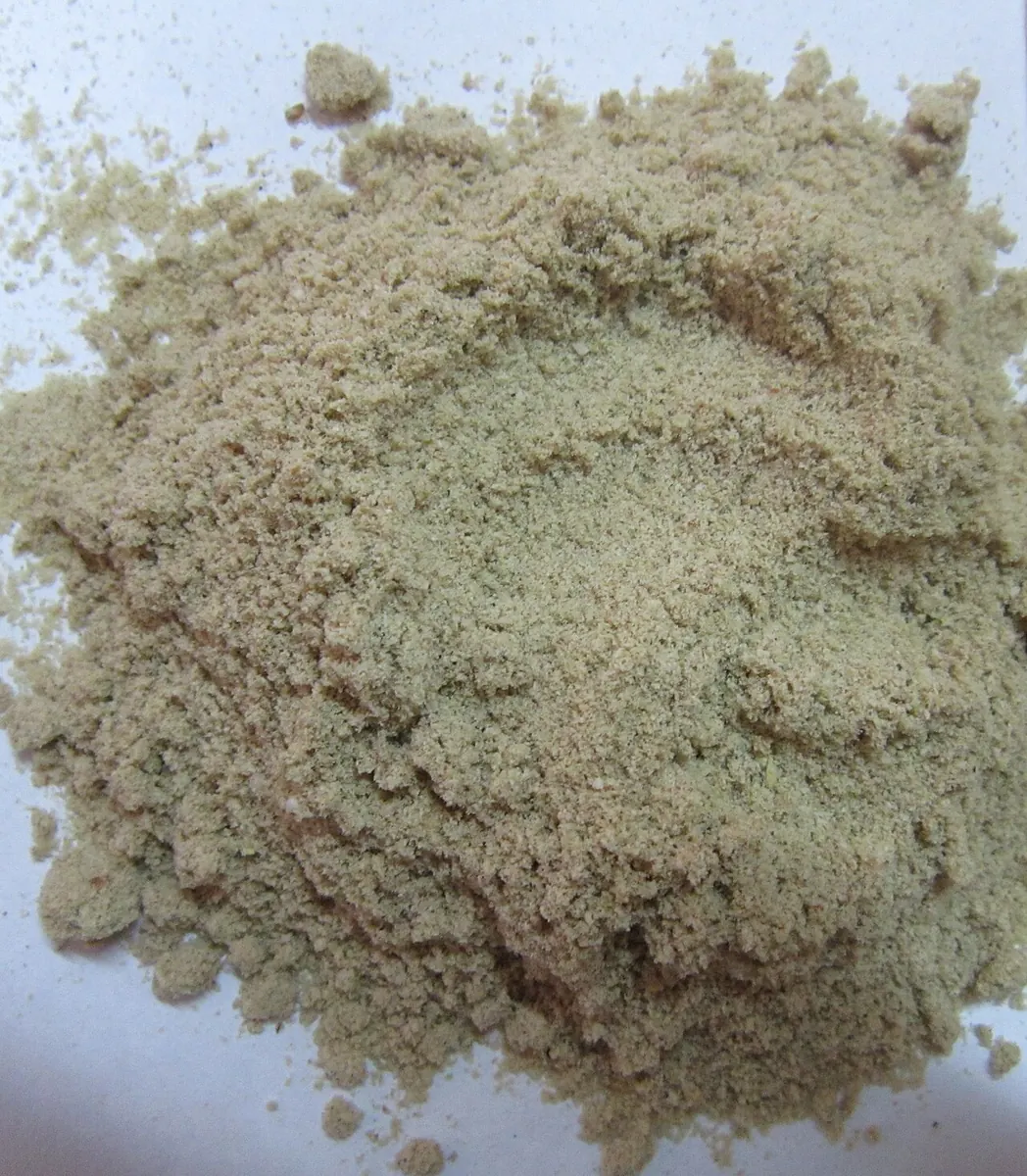
De-oiled rice bran, traded as DORB or de-oiled rice polish, is rice bran with its oil extracted by solvent. Raw bran carries 14% to 18% oil, which turns rancid in storage; without it, the bran can go into feed at higher levels. Poultry, fish and cattle feed mills in Bangladesh buy it by the sack and the truckload.
Bran is easily stretched with rice hulls, and the animal feed rules give DORB no grade of its own. A de-oiled rice bran supplier in Bangladesh should sell to your limits, not to a name. Roptan writes protein, fibre, moisture and aflatoxin limits into the order, sources from licensed sellers, has the lot tested and delivers it.
How to brief a de-oiled rice bran supplier in Bangladesh
- Protein minimum
- The fish feed rules treat DORB as 14% to 18% protein, with 14% the floor. State your minimum and its basis, dry matter or as received.
- Fibre and ash maximums
- Fibre is the check on hulls. Feed tables sort DORB into under 11%, 11% to 20% and over 20% fibre; the fish feed rules cap fibre and ash at 20% each.
- Moisture
- The fish feed rules allow 10% for DORB and the animal feed rules' rice polish rows 12%. Set a figure: damp monsoon storage is the main aflatoxin risk.
- Residual fat
- The fish feed rules set a 0.5% fat minimum. A high fat figure means more oil was left in, and more of it can turn rancid.
- Aflatoxin
- Neither rule set gives DORB its own aflatoxin figure; finished fish feed is held to 20 ppb aflatoxin B1. State your limit and method.
- Extraction date and sacks
- Ask for the extraction date and lot number on each sack, usually 50 kg, so the oldest stock goes first.
Rules and tests that apply to DORB
- Fish Feed Rules 2024, Schedules 5 and 7
- DORB for fish feed: moisture 10% maximum, protein 14% minimum, fat 0.5% minimum, ash and fibre 20% maximum each, and up to 50% of a fish feed.
- Animal Feed Rules 2013
- No DORB row. Its rice polish rows set locally milled bran at 15% fibre and 10 ppb aflatoxin maximum, and automatic-mill bran at 7% and 50 ppb.
- ISO 6865:2000 and AOAC 962.09
- Crude fibre methods; ISO 6865 covers feed with more than 10 g/kg crude fibre. The fibre result is the main check against hulls.
- ISO 14718 and AOAC 975.36
- Aflatoxin methods: ISO 14718 is an HPLC method whose scope notes rice bran, and Bangladesh's animal feed rules name AOAC 975.36.
Lead times and delivery
Timing usually follows the harvest and the oil mills' run: fresh DORB is easier to find after Boro and Aman milling, and stock held between harvests needs checking. A failed fibre or aflatoxin test means a replacement lot. Roptan confirms the delivery date and the minimum quantity in the quote.
We deliver by covered truck to your mill, farm or depot, weighed on arrival, with a VAT invoice (Mushak 6.3) and the lot's lab report. Store DORB first in, first out: the fish feed rules ask mills to keep ingredients at least 7 cm off the floor and 30 cm from walls.
Questions buyers ask
Why does fibre matter so much in DORB?
Because hulls are the usual way bran is stretched. Rice bran should carry about 10% to 15% crude fibre, and ground hulls push that figure up. A fibre maximum in the contract, tested on your own lot, is the simplest guard.
How is DORB different from rice polish?
Rice polish, or full-fat bran, keeps its 14% to 18% oil, and an enzyme in the bran starts breaking that oil down after milling, so it turns rancid in storage. DORB has had its oil extracted, so it keeps better and can go into feed at higher levels.
Can de-oiled rice bran be exported from Bangladesh?
It is on neither the prohibited nor the conditional list of the Export Policy 2024-2027, and the 25% regulatory duty of February 2025 applies to rice bran oil, not the bran. DORB is a domestic trade here, so check the current position with the commerce ministry and CCI&E first.
How much DORB can go into fish feed?
Up to 50% of the feed under Schedule 5 of the Fish Feed Rules 2024, for DORB at 14% to 18% protein; ordinary automatic-mill bran, at 10% to 14% protein, up to 60%. The mill's formulator sets the actual rate within those limits.
How soon will I hear back about animal feed and by-products?
Within 48 hours of a complete requirement, with a price and a delivery date. A requirement is complete when it has the quantity, where it is needed and by when.
Who do I deal with?
With Roptan, when Roptan manages the order: we buy from the verified seller and deliver to you. With the supplier directly, when you post on the requirement board and choose a quote yourself.