Buying men's formal shoes in Bangladesh
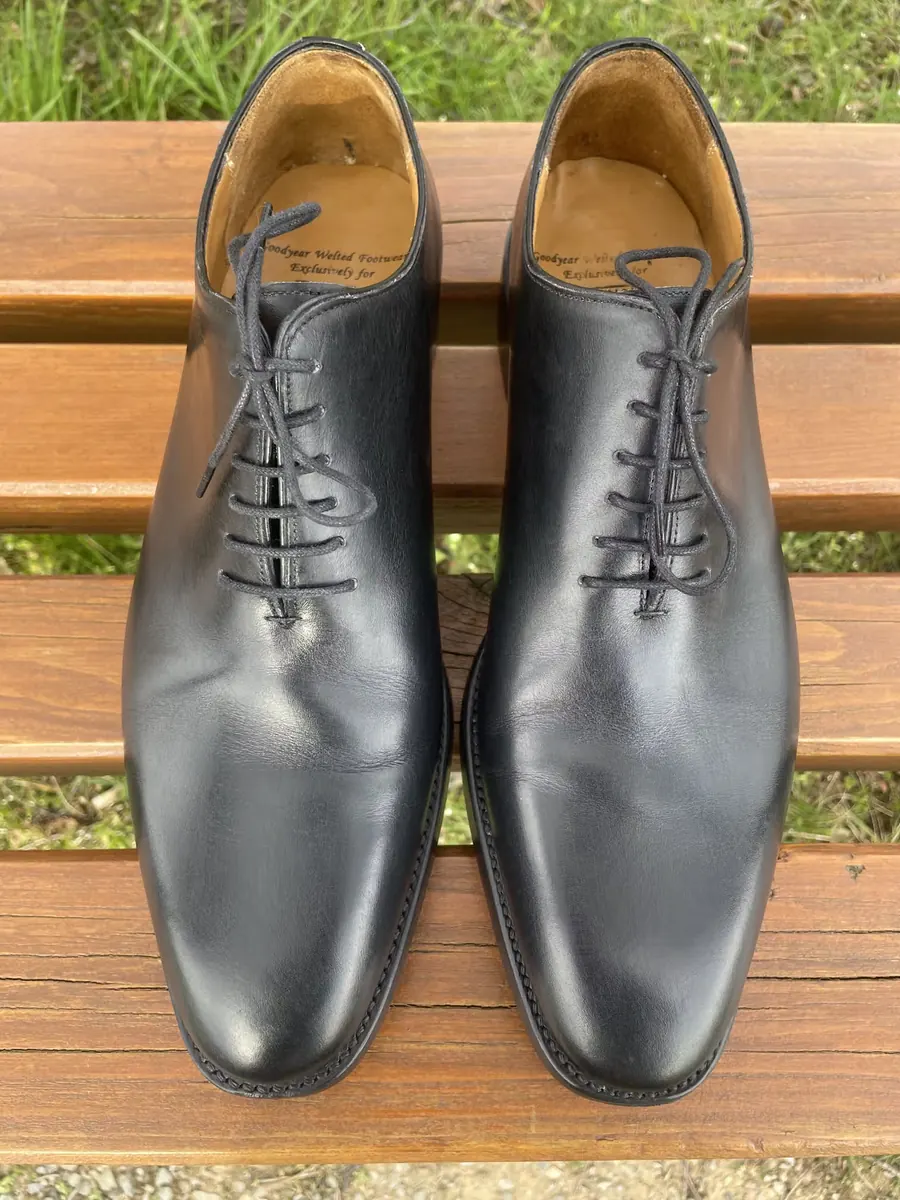
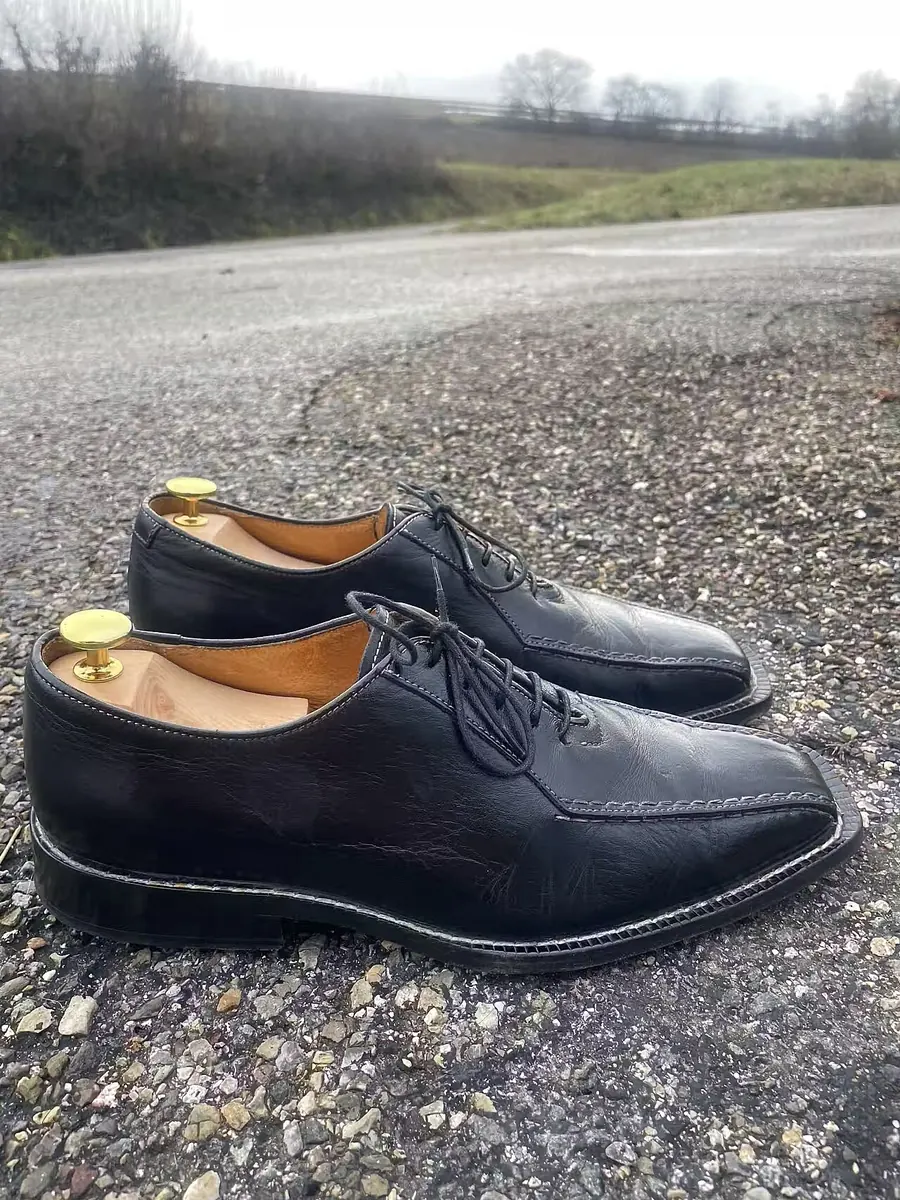
Men's formal shoes are the leather shoes worn with suits: Oxfords, Derbys, monk straps, brogues and whole-cuts. Bangladesh makes them for brands and importers, and its tanneries have worked from the Savar estate since leaving Hazaribagh in 2017. Talking to a men's formal shoes manufacturer in Bangladesh starts with two choices: the lacing and the construction.
Roptan does the sourcing. We find a verified maker that already runs your construction, get the leather grade and tannery named in writing, check the test reports on the real leathers and check fit across sizes before bulk. You deal with Roptan only.
How to specify men's formal shoes
- Style and drawing
- Name the lacing and toe style and send a drawing or sample. Oxford, Balmoral, Derby and blucher overlap between British and American usage, so a name alone can mislead.
- Leather grade
- Full grain keeps the whole grain layer; corrected grain is buffed and finished for an even look. 'Genuine leather' names no grade. Patent leather is a coated finish.
- Construction
- Welted if the wearer expects to resole the shoe; cemented if price matters more. A cemented shoe is practically finished once its sole wears through or the glue fails.
- Sole and heel
- Leather, rubber or a combination, with heel height and toe shape fixed on the last. The sole you choose decides which flex and bond tests apply.
- Size system and run
- EU sizes step 2/3 cm per whole size; UK and US sizes rest on the 1/3 inch barleycorn. State one system, the run and pairs per size.
Tests and paperwork for men's formal shoes
- EN ISO 17075-1 or -2
- Chromium VI in leather, by a colorimetric or a chromatographic method. REACH bars skin-contact leather at 3 mg/kg or more, so ask which part the lab used.
- EN ISO 17234-1:2024
- Azo colourants in dyed leather. Name the 2024 edition in the test request; the 2020 edition was withdrawn at the end of 2024.
- ISO 17708:2018
- Upper-to-sole adhesion on the whole shoe, written for glued soles. Ask for it on every cemented style, with the pass value your market uses.
- Directive 94/11/EC
- For EU retail, a label giving the material of the upper, the lining and sock, and the outer sole. It must match the shoe you approved.
Lead times and delivery
No fixed time can be given before the quote. A style on the maker's own last and sole moves faster than one needing new lasts or sole moulds. A custom leather colour waits for a tannery batch, and overseas lab tests add time. Roptan confirms the dates and the minimum per style and colour in the quote.
Inside Bangladesh, Roptan delivers the boxed pairs to your shop, warehouse or office, with a packing list by size, the test reports, the inspection report and a VAT invoice (Mushak 6.3). State the box print and carton marks on the order so each carton can be checked on arrival.
Buying men's formal shoes for export
Importers usually buy FOB Chattogram. Leather-upper shoes that leave the ankle free usually fall under HS 6403.99, or 6403.59 with a leather sole; your broker confirms the line. Origin goes on a REX statement for EU GSP or under UK DCTS rules. Duty terms may change after Bangladesh's LDC graduation, so confirm them per destination at quote time.
Questions buyers ask
Is an Oxford or a Derby better for a uniform order?
A Derby usually suits a uniform order better. Its open lacing leaves more room over the instep, so it fits a wider range of feet. The Oxford's closed lacing looks sleeker and is treated as more formal, which suits retail and business wear.
Can a cemented formal shoe be resoled?
Not in practice. A cemented sole is glued on, and once it wears through or the glue fails the shoe is effectively done. A welted shoe has a strip stitched to the upper and insole, so a cobbler can replace the sole repeatedly. That extra work is why welted pairs cost more.
Which chemical tests does an EU order need?
Chromium VI below 3 mg/kg in every leather that touches the skin, tested to EN ISO 17075. Add azo colourants to EN ISO 17234-1:2024, the eight listed PAHs at 1 mg/kg each in rubber or plastic parts touching the skin, and no dimethyl fumarate above 0.1 mg/kg.
What does 'genuine leather' on a quote mean?
Nothing exact. It is not a grade, and it often means a heavily processed split. Ask the maker to name the grade and the tannery and to send a swatch from the actual lot. Where the tannery holds an LWG rating, ask for the certificate and its expiry date.
How soon will I hear back about leather footwear?
Within 48 hours of a complete requirement, with a price and a delivery date. A requirement is complete when it has the quantity, where it is needed and by when.
Who do I deal with?
With Roptan, when Roptan manages the order: we buy from the verified seller and deliver to you. With the supplier directly, when you post on the requirement board and choose a quote yourself.