Managed sourcing from Bangladesh, for export and for buyers at home
Get it sourced

Footwear and leather · Leather footwear

Boots manufacturer in Bangladesh

Looking for a boots manufacturer in Bangladesh for Chelsea, chukka or lace-up styles? Tell Roptan the use, leather, construction and sizes. We source from a verified maker, check the leather and sole test reports, inspect the boots and deliver or ship FOB Chattogram.

  • Verified sellers
  • Checked before it ships
  • Delivered by Roptan

Get boots sourced

Prefer to deal with suppliers yourself? Post it on the requirement board

Buying boots in Bangladesh

Boots cover the ankle or more, and people buy them for looks and for protection from water, mud and sharp objects. Bangladesh exports ankle-covering leather footwear, boots among it, to importers and brands abroad. A boots manufacturer in Bangladesh should hear the use first: city, field and site boots differ in leather, lining and sole.

Roptan handles the sourcing. We match your boot to a verified maker that already builds the construction and sole you need, get the leather and tannery named, check the leather and sole test reports and check pairs from the bulk. You deal with Roptan only.
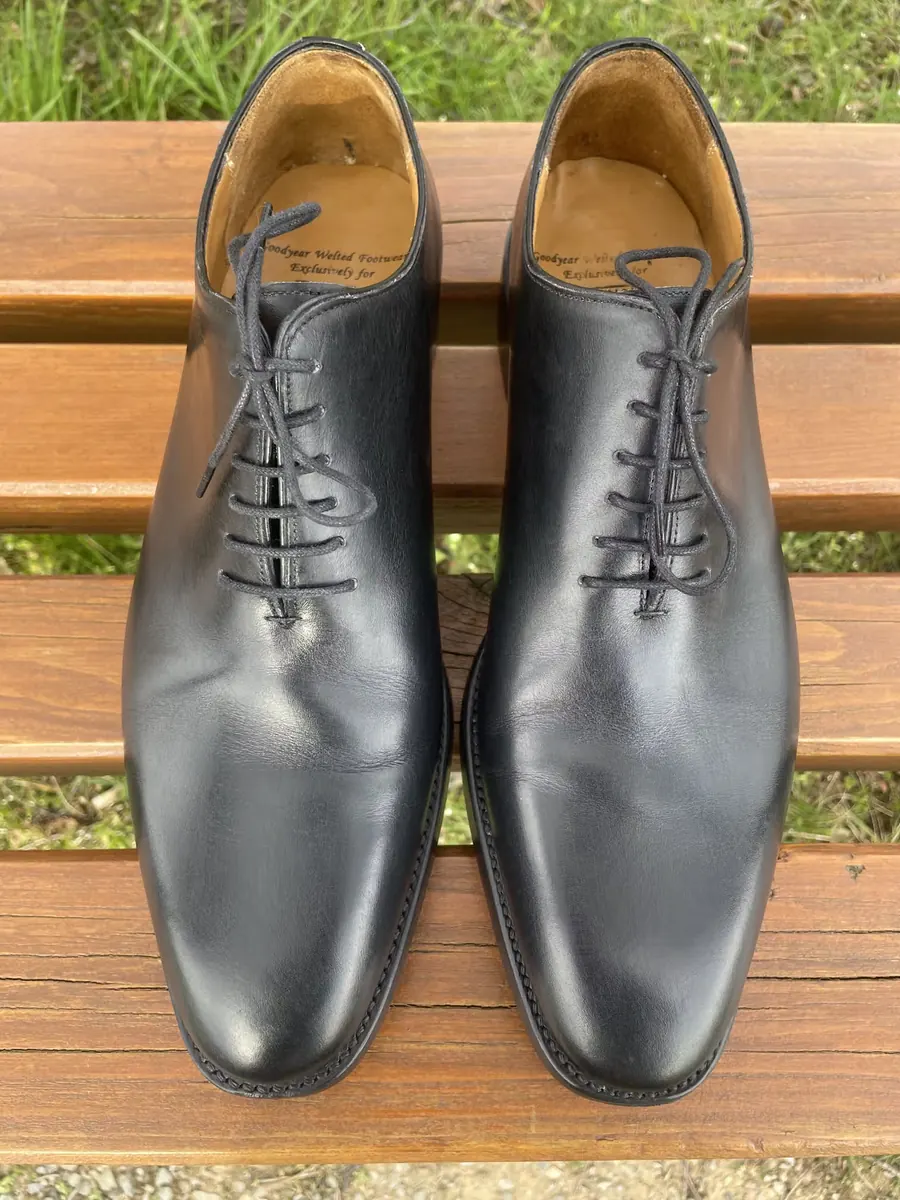
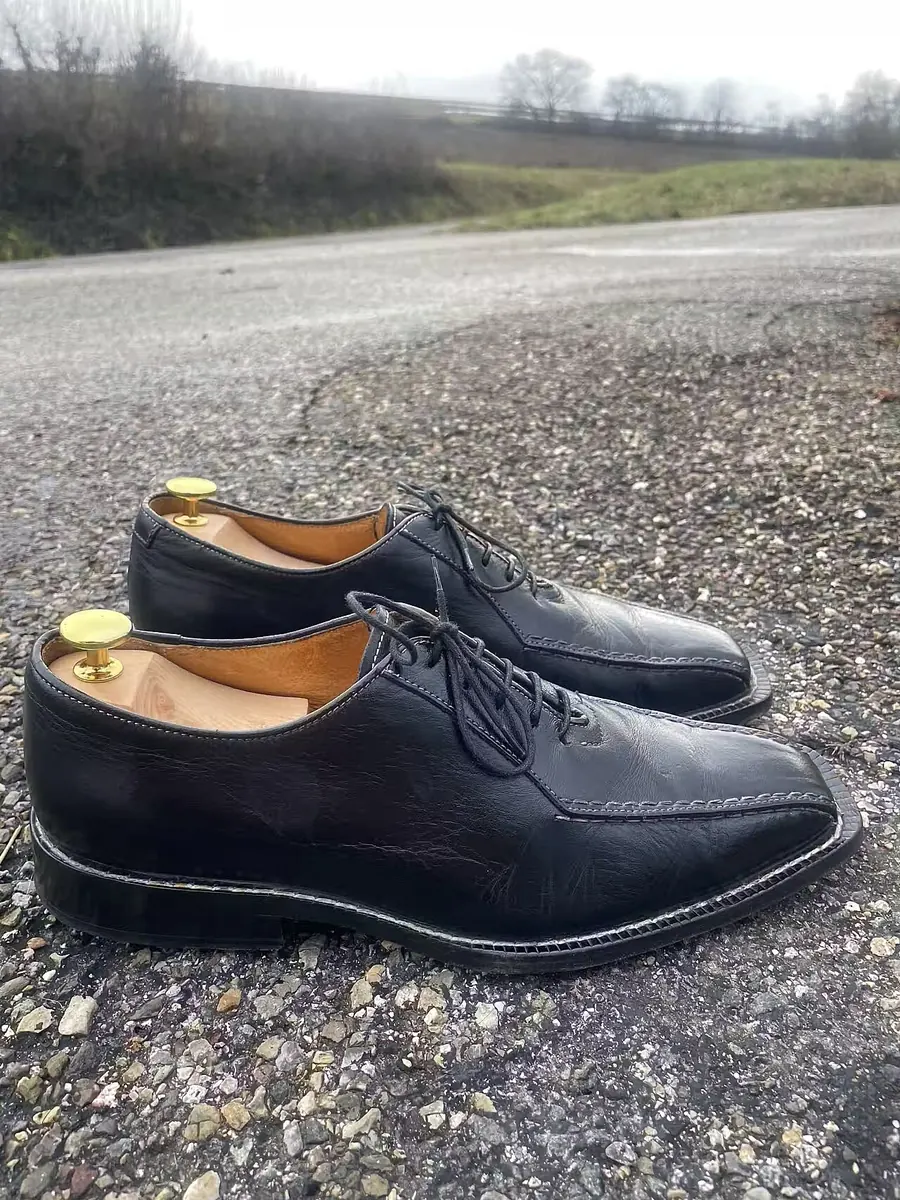
Kinds of leather boot

Chelsea boots

Close-fitting, ankle-length boots with elastic side panels, a low heel and often a pull tab at the back. Choose them for slip-on wear and a clean city look.

Chukka boots

Ankle-high boots in suede or smooth leather, with open lacing and two or three pairs of eyelets, on leather or rubber soles. Choose them for a laced casual boot.

Lace-up work-style boots

Taller lace-up boots, traditionally in hardened and sometimes waterproofed leather, on a heavier sole. Choose them for rough, wet ground, mud and long wear outdoors.

Safety boots

A boot sold to protect the wearer at work is safety footwear, tested to EN ISO 20345:2022 with Amendment 1:2024. A fashion boot carries no such mark.

How to specify a leather boot

Use and shaft height
City, field or site, and the shaft height. The use sets leather thickness, lining and sole; a boot that must protect the foot at work belongs under safety footwear.
Closure
Elastic side panels, laces with an eyelet count, or a zip. Shops use Chelsea and chukka loosely, so state the closure rather than rely on the name.
Upper leather
Name the grade, full grain or corrected grain, and the thickness in mm per part. 'Genuine leather' names no grade and often means a processed split.
Construction
Welted for boots that face mud, rain and years of wear, since the sole can be replaced repeatedly; cemented for lighter, lower-cost fashion boots.
Sole and heel
Sole material, tread pattern and heel height. A boot sole bends at every step, so ask for the outsole flex result on that exact sole.
Size system
EU sizes step 2/3 cm per whole size; UK and US sizes rest on the 1/3 inch barleycorn. State the system, run and pairs per size.

Tests and paperwork for leather boots

EN ISO 17707
Flex resistance of outsoles: how far a cut grows as the sole bends again and again. It tests the sole material and its pattern together.
ISO 17708:2018
Upper-to-sole adhesion tested on the whole boot, written for glued soles. Ask for it on every cemented style, with the pass value your market uses.
REACH chromium VI and PAHs
Skin-contact leather must stay below 3 mg/kg chromium VI (EN ISO 17075); eight PAHs are capped at 1 mg/kg each in rubber or plastic parts touching the skin.
EN ISO 20345:2022
Only for boots sold as safety footwear, with Amendment 1:2024 and a certificate for that model under the EU PPE Regulation (EU) 2016/425.

What moves the price of leather boots

  • Construction: a welted boot adds a welt strip, cork filling and stitching, so it costs more than a cemented boot.
  • Leather grade: full grain usually costs more than corrected grain or split, so check the grade on the quote against the approved swatch.
  • Safety rating: a certified safety boot carries a toe cap, often a midsole, and the cost of its model certificate.
  • Lab work: tests are often sent to labs in India, China or Europe, which adds cost per style.

Lead times and delivery

Dates depend on what already exists. A boot on the maker's own last and sole moves faster than one needing new lasts and sole moulds. A custom leather colour waits for a tannery batch, and a safety boot without a current certificate is tested first. Roptan confirms the dates and the minimum per style and colour in the quote.

Inside Bangladesh, Roptan delivers the boxed pairs to your store, warehouse or site, with a packing list by size, the test reports, the inspection report and a VAT invoice (Mushak 6.3). Staff work boots can be marked by name or headcount.

Buying boots for export

Importers usually buy boots FOB Chattogram. Leather-upper boots on rubber or plastic soles are classed with other ankle-covering footwear under HS 6403.91, and metal-toe-cap boots under 6403.40; your broker confirms the line. Origin goes on a REX statement for EU GSP or under UK DCTS rules, and EU retail pairs need material labels under Directive 94/11/EC.

What we check for this order

  • Use matches the buildWe check that a boot sold for site work has an EN ISO 20345 certificate for that model.
  • Bulk against the sampleWe check pairs from the bulk against the quoted construction and the approved sole, tread and heel height.
  • Tannery and leatherWe ask which tannery made the leather, and for its LWG certificate and expiry date where your buyer needs one.
  • Lab, lot and countryWe check which accredited lab ran the tests, in which country, and on which production lot.

Questions buyers ask

Chelsea or chukka: what is the difference?

The closure. A Chelsea boot slips on, with elastic side panels and often a pull tab. A chukka is laced, with two or three pairs of eyelets. The shapes are otherwise close and shops use the names loosely, so state the closure and eyelet count.

Is a welted boot worth the extra cost?

Usually, for boots that face mud, rain and hard wear. The welt lets a cobbler replace the sole repeatedly, and the build is described as the stronger choice for that use. A cemented boot is lighter and lower in cost, and suits fashion ranges.

Can a work-style boot be sold as a safety boot?

Only if it is certified. A boot sold to protect the wearer at work must meet EN ISO 20345:2022 and, for the EU, Regulation (EU) 2016/425, with a certificate for that model. A fashion boot with no toe cap test is not safety footwear.

Which chemical tests should an EU boot order carry?

Chromium VI below 3 mg/kg in skin-contact leather, azo colourants to EN ISO 17234-1:2024, the eight listed PAHs at 1 mg/kg each in rubber or plastic parts touching the skin, and no dimethyl fumarate above 0.1 mg/kg, each on the real leathers and colours.

How soon will I hear back about leather footwear?

Within 48 hours of a complete requirement, with a price and a delivery date. A requirement is complete when it has the quantity, where it is needed and by when.

Who do I deal with?

With Roptan, when Roptan manages the order: we buy from the verified seller and deliver to you. With the supplier directly, when you post on the requirement board and choose a quote yourself.

Other leather footwear products

Each product type has its own page as it is published; until then its card opens the category form.

All leather footwear