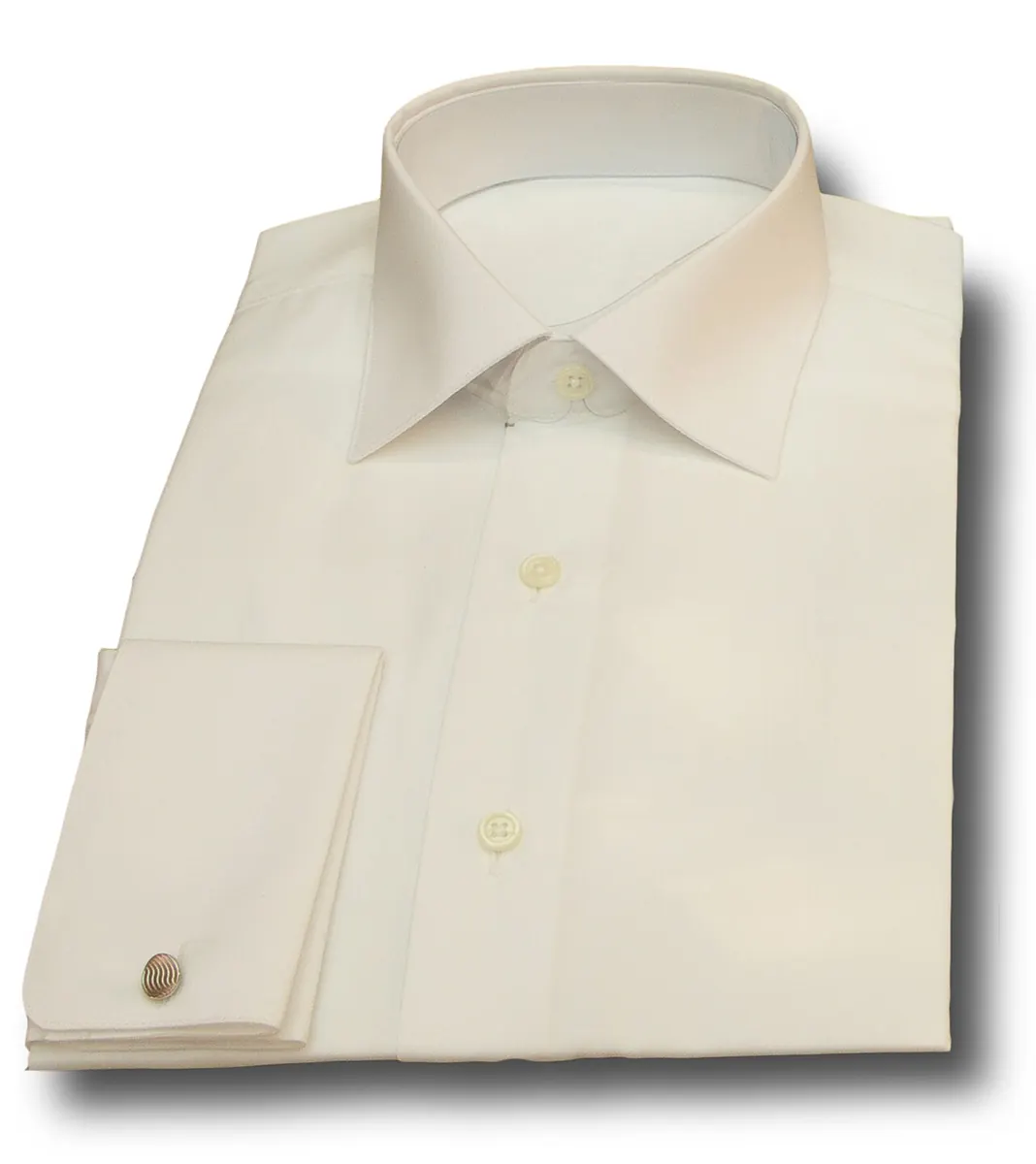
Managed sourcing from Bangladesh, for export and for buyers at home
Get it sourced

Apparel and textiles · Garments

Woven shirt supplier in Bangladesh

Roptan works as your woven shirt supplier in Bangladesh for poplin, oxford, twill, check and easy-care shirts. Send the cloth, collar, cuffs and size chart; we source from verified factories, wash test the fused collar and inspect the bulk.

  • Verified sellers
  • Checked before it ships
  • Delivered by Roptan

Get woven shirts sourced

Prefer to deal with suppliers yourself? Post it on the requirement board

Buying woven shirts in Bangladesh

A woven shirt is cut from woven cloth, not knit, with a fused collar and cuffs and a buttoned placket. Banks, offices and schools buy them as uniforms; importers buy formal and casual ranges. Men's and boys' woven shirts have a heading of their own in EPB's export data, HS 6205, and about two thirds of that line is cotton, with man-made fibres and other cloths making up the rest.

Local mills meet only around 40 percent of Bangladesh's woven fabric demand, so the cloth often decides the dates. Roptan works with verified factories, books the cloth early, writes shrinkage, fusing and pattern-matching rules into the order and inspects the finished shirts.
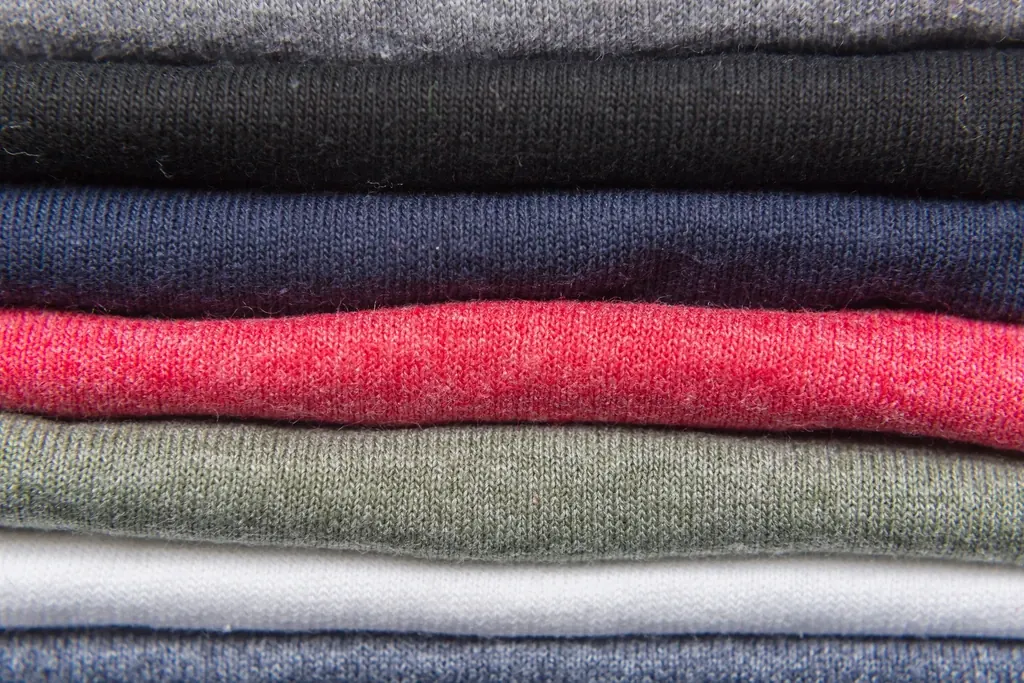
Kinds of woven shirt

Poplin shirts

A plain weave with fine crosswise ribs, usually easy to iron and slow to wrinkle. Choose it for office and uniform shirts; US buyers may call it broadcloth.

Oxford shirts

A 2x1 basket weave: single weft threads cross over and under pairs of warp threads, giving a visible texture. Choose it for casual shirts, commonly with a button-down collar.

Twill shirts

Diagonal lines run across the face of the cloth, at 45 degrees in a regular twill. Choose it when you want that texture in smart-casual and uniform shirts.

Yarn-dyed check and stripe shirts

Woven from dyed yarn, so the pattern sits in the cloth; most solid cotton colours are piece-dyed after weaving. Yarn dyeing adds processes, so book the cloth early.

Easy-care shirts

Cotton or polyester-cotton with a wrinkle-resistant finish, a treatment that began with formaldehyde chemistry. Choose it for uniforms washed at home, with a formaldehyde test.

What to give a woven shirt supplier in Bangladesh

Cloth construction
Weave, fibre, yarn count, threads per centimetre in warp and weft to EN ISO 7211-2, and GSM to ISO 3801: numbers, not just a cloth name.
Collar and cuffs
Point, spread or button-down collar; barrel cuffs with one or two buttons, or double cuffs for links; long or short sleeves.
Interlining and fusing
The fusible for collar, cuffs and placket, part by part, since collar and cuff may need different ones, and the heat, pressure and time to hold.
Shrinkage
Sanforised cloth, plus length and width limits after a named wash to EN ISO 5077, stated for the cloth or for the finished shirt.
Pattern matching
On checks and stripes, where the pattern must line up (placket, pocket, yoke, sleeves) and how much mismatch you accept.
Stitches and seams
Stitches per inch and seam type for each seam. A low stitch count or loose thread tension lets seams slip, most often along the warp.

Tests and labels for woven shirts

EN ISO 13936-2 and EN ISO 13935-2:2026
Seam slippage under a fixed load, and seam strength by the grab method, on side seams and armholes, where slippage usually shows.
ISO 7768 and EN ISO 14184-1
For easy-care shirts: the smoothness rating after washing, and free and hydrolysed formaldehyde in the finished cloth.
ISO 105 grades by colour
Washing (C06), rubbing dry and wet (X12) and perspiration (E04), for every colour in a check, not only the ground colour.
OEKO-TEX Standard 100 and EU labels
Shirts sit in product class 2. In the EU, Regulation (EU) No 1007/2011 requires fibre names and percentages by weight on the label.

What moves the price of a woven shirt

  • Cloth origin: imported shirting usually costs more and takes longer than local cloth.
  • Yarn dyeing: checks and stripes pass through extra processes, so they usually cost more than piece-dyed solids.
  • Easy-care finish: the wrinkle-resistant treatment and its formaldehyde test usually add a process and a lab fee.
  • Collar and cuff build: double cuffs, button-down collars and extra fused parts usually add steps.

Lead times and delivery

Woven shirts usually take about 85 to 115 days from order to FOB, complex wovens up to about 130. Fabric booking, not sewing, usually sets the date, and imported or yarn-dyed cloth takes longer. Minimums usually start at several hundred pieces per style; some factories ask a thousand or more for dress shirts. Roptan's quote confirms both.

Roptan delivers uniform shirts to a head office or splits them by branch and staff list, with the packing list, test and inspection reports and a VAT invoice (Mushak 6.3). Cotton can mould in damp heat, so in the rainy months we make sure shirts are dry when packed.

Buying woven shirts for export

Men's and boys' woven shirts enter under HS 6205, with 6205.20 for cotton and 6205.30 for man-made fibres; women's go under 6206. Your broker confirms the line. Roptan quotes FOB Chattogram (Chittagong); sea freight then usually takes about three to five weeks to European and US ports.

What we check for this order

  • Washed collar and cuffsWe have a collar and cuff sample washed before bulk and look for resin marks and lifting from the fusing.
  • Shade across the rollWe check roll numbers and shade bands, since centre-to-selvedge variation can put collar, cuffs and body in two shades.
  • Check and stripe matchingOn patterned cloth we measure the line-up at placket, pocket and yoke against the agreed mismatch.
  • Collar first at final AQLAt the final ISO 2859-1 check we look at collar, placket and topstitching first, then buttons against buttonholes and seams for slippage.

Questions buyers ask

Which collar should our shirts have?

Point collars are narrow, about 64 to 102 mm between the points. Spread collars run from about 89 to 216 mm, and wide ones are called cutaway. Button-down collars, fastened to the shirt with buttons, are usual on casual oxford shirts. Approve the collar on a fit sample.

Why does shirting take longer to source than T-shirt fabric?

Local mills meet around 40 percent of woven fabric demand, against 75 to 80 percent for knit fabric, so much shirting is imported, which usually lengthens lead time. Yarn-dyed checks add processes before weaving. Booking cloth with the order saves time.

Should shirt cloth be sanforised?

Usually, for cotton shirting. Sanforising stretches, shrinks and sets the cloth in length and width before cutting, and the cloth can then carry a shrink value, such as under 1 percent. Still test the finished shirt to EN ISO 5077 after a named wash.

What should we ask for on easy-care shirts?

A smoothness rating after washing to ISO 7768, a free and hydrolysed formaldehyde result to EN ISO 14184-1, and an OEKO-TEX Standard 100 certificate in product class 2 if your market asks for one. Wrinkle-resistant finishes began with formaldehyde chemistry, so the test matters.

How soon will I hear back about garments?

Within 48 hours of a complete requirement, with a price and a delivery date. A requirement is complete when it has the quantity, where it is needed and by when.

Who do I deal with?

With Roptan, when Roptan manages the order: we buy from the verified seller and deliver to you. With the supplier directly, when you post on the requirement board and choose a quote yourself.

Other garments products

Each product type has its own page as it is published; until then its card opens the category form.

All garments