Managed sourcing from Bangladesh, for export and for buyers at home
Get it sourced

Apparel and textiles · Garments

Denim jeans supplier in Bangladesh

Roptan is your denim jeans supplier in Bangladesh for rigid, stretch, raw and washed jeans. Send the fabric weight, stretch, fit, wash and quantity; we source from verified factories, approve the wash on a sample and check the finished lot.

  • Verified sellers
  • Checked before it ships
  • Delivered by Roptan

Get denim jeans sourced

Prefer to deal with suppliers yourself? Post it on the requirement board

Buying denim jeans in Bangladesh

Jeans are five-pocket trousers in denim, a warp-faced cotton twill with a dyed warp and a lighter weft. Importers and local retailers order them by style and wash. In 2025 Bangladesh held a 29.88 percent share of EU denim imports and 25.97 percent of US denim imports, on Eurostat and OTEXA data reported by The Daily Star; the figures cover all denim exports, not jeans alone.

In jeans the wash decides most of the result: shade, hand feel, stretch and size all change in the laundry. Roptan sources from verified factories and wash houses, fixes the wash recipe and shade band on a washed sample and measures the jeans after washing, not before.
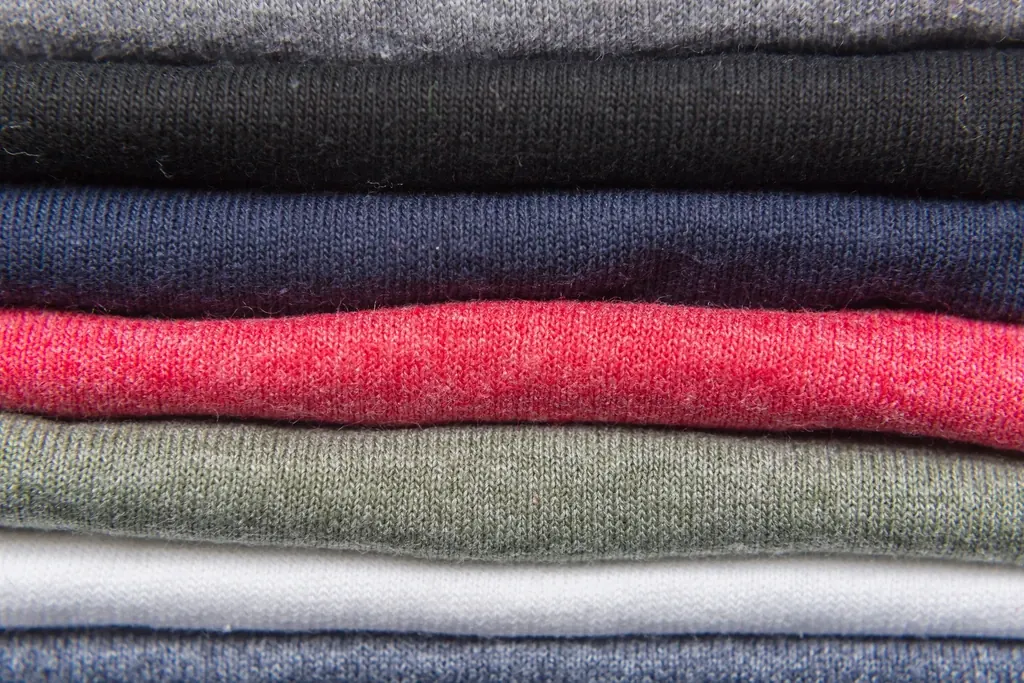
Kinds of denim jeans

Rigid jeans

Traditional denim, all cotton with no elastane in the yarn. Choose it for classic and workwear-style jeans, and grade the pattern to the fabric's measured shrinkage.

Stretch jeans

Elastane in the yarn, usually up to about 3 percent, for a closer fit. Choose it for slim and skinny fits; high-stretch denim is more easily damaged in the wash.

Raw jeans

Denim sold unwashed, or dry, which fades with wear. Choose it for heritage-style ranges, and agree how the size chart allows for the first home wash.

Washed jeans

Stone wash abrades the surface with pumice to show the white core of the warp yarn; enzyme wash softens the hand; bleach wash lightens the shade. Laser marking can replace manual abrasion.

What a denim jeans supplier in Bangladesh needs from you

Fabric weight
In oz per square yard with a tolerance, weighed to ISO 3801. Most jeans are mid-weight, about 11 to 14 oz; 12 oz is about 407 GSM.
Stretch and recovery
Elastane percentage, plus stretch and recovery measured to EN ISO 20932-1 after the production wash, not on unwashed cloth.
Fit and pattern
Slim, straight, relaxed, tapered or wide-leg, the rise, and the five-pocket layout: two front pockets, a watch pocket and two back pockets, riveted at stress points.
Wash recipe and shade
Wash type, target shade and an agreed shade band, approved on a washed sample. Trial washes between fabric lots hold the shade across the bulk.
Measurements after wash
A centimetre tolerance per point of measure, read after washing and drying, since dryer heat and the number of runs change the final size.
Trims and labels
Buttons, rivets and zip tested for nickel release to EN 1811; for the EU, fibre content by weight, elastane included, under Regulation (EU) No 1007/2011.

Tests for denim jeans

EN ISO 13934-1, 13937-2 and 13936-2
Tensile strength, trouser tear and seam slippage; the slippage method suits stretch denim. Add seam rupture to EN ISO 13935-2:2026.
ISO 105-X12 and ISO 105-C06
Dry and wet rubbing and wash staining grades for indigo, plus pocket linings checked for backstaining, where indigo transfers in the wash.
ISO 16322-3
Leg twist after laundering. The standard notes that denim can have twist built into its construction, so set the limit from a washed sample.
OEKO-TEX, REACH and ZDHC
Jeans fall in OEKO-TEX product class 2; REACH Annex XVII entry 72 applies in the EU. Ask whether the wash house works to the ZDHC Manufacturing Restricted Substances List.

What moves the price of denim jeans

  • Fabric: weight, elastane content and cloth origin, since imported denim adds processing time and cost.
  • Wash: each added step, from stone and enzyme to bleach and laser, usually adds cost and days.
  • Development: wash and fit samples can take several rounds, usually more for stretch fits.
  • Shades: every extra wash shade needs its own development and its own controlled wash lots.

Lead times and delivery

A first sample usually needs three to four weeks from tech pack approval, more while the wash is developed. Production usually takes 60 to 90 days from sample and wash approval, or about 90 to 130 days from the order; local fabric is usually quicker than imported. Minimums can be set per style, colour or wash, usually from a few hundred pieces up. Roptan confirms both in the quote.

Inside Bangladesh, Roptan delivers to your warehouse, stores or offices with the packing list, wash, test and inspection reports and a VAT invoice (Mushak 6.3). Mould can grow on clothing in warm, humid air, so during the monsoon we check washed jeans are dry before packing.

Buying denim jeans for export

Jeans have no six-digit HS line of their own: men's go under 6203.42 and women's under 6204.62, cotton trousers, with denim split at national level, such as UK 6203 42 31. Your broker confirms the code. Roptan quotes FOB Chattogram (Chittagong); sea freight then usually takes three to five weeks to European and US ports.

What we check for this order

  • Shade band on a washed sampleWe approve the shade band on a washed sample and hold each bulk wash lot to it.
  • Size before and after washWe read every point of measure on the pre-production sample and first bulk jeans, before and after washing.
  • Stretch after the washOn stretch styles we test elasticity after the production wash, since heat, chlorine and strong alkali damage elastane.
  • Wash defects at final AQLAt the ISO 2859-1 final inspection we look for pocket backstaining, yellowing, wash marks and over-abraded areas.

Questions buyers ask

What weight of denim should jeans be?

Most jeans are mid-weight, about 11 to 14 oz per square yard. Lightweight denim is usually 10 oz and below; heavyweight starts at about 15 oz. Sources label the classes differently, so ask for the number in oz or GSM and a swatch of the cloth.

Why do jeans change size after washing?

Denim shrinks in washing by different amounts from roll to roll. Factories usually wash 50 by 50 cm coupons under production conditions, group rolls by shrinkage and relax stretch fabric for at least 24 hours before cutting. Dryer temperature and the number of runs also change the final size.

Can you avoid sandblasted finishes?

Yes. Some buyers ban sandblasting; if yours do, we write it into the order. Laser finishing can replace manual abrasion and marking, and stone and enzyme washes also give a worn look. The finish method is fixed on the pre-production sample.

Is the denim fabric made in Bangladesh?

Mostly. Local mills meet around 70 percent of the country's denim fabric demand; the rest comes from India, China and Pakistan (The Daily Star, 2026). Garment makers usually prefer local denim for its shorter lead times, while imported cloth adds time and cost.

How soon will I hear back about garments?

Within 48 hours of a complete requirement, with a price and a delivery date. A requirement is complete when it has the quantity, where it is needed and by when.

Who do I deal with?

With Roptan, when Roptan manages the order: we buy from the verified seller and deliver to you. With the supplier directly, when you post on the requirement board and choose a quote yourself.

Other garments products

Each product type has its own page as it is published; until then its card opens the category form.

All garments