Buying basic t-shirts in Bangladesh
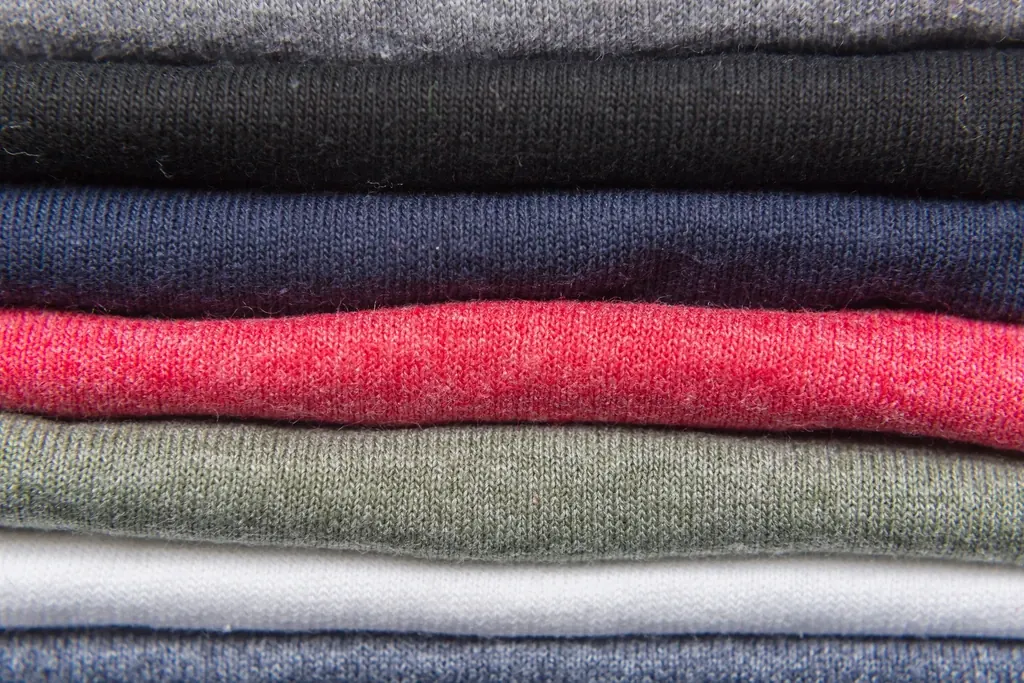
A basic T-shirt is a collarless knitted top with short sleeves and a crew or V-neck, usually in cotton single jersey, a plain weft knit. Importers buy blank and printed tees in volume; companies in Dhaka and Chattogram order them for campaigns and staff wear. Most of the knit cloth is made in the country: local mills meet about 75 to 80 percent of knitters' fabric demand (BTMA data reported in 2023).
Roptan sources the order from verified factories and turns your brief into numbers the seller signs up to: GSM with a tolerance, twist and shrinkage after a named wash, fastness grades per shade. We approve samples with you and inspect the bulk before it ships.
What to tell a basic T-shirt supplier in Bangladesh
- Yarn and spinning
- Fibre blend, yarn count, combed or carded, ring-spun or open-end. Each choice changes feel, pilling and print sharpness.
- Weight
- Blank tees usually run from about 140 GSM for light ones to about 220 GSM for heavier ones. Give a target, a tolerance and the test method.
- Neckline and rib
- Crew, V or scoop neck, rib width and colour. A crew neck is normally body knit plus a separate rib, so both need matching lab dips.
- Twist and shrinkage limits
- Single jersey shrinks and grows. State the shrinkage you accept in length and width, and the side-seam twist as a percentage of body length, after a named wash.
- Print
- Method (screen, heat transfer or embroidery), size, position, and cut panels or sewn shirts. A panel shrinks while the ink cures, so the print can pucker later.
Tests and certificates for T-shirts
- ISO 16322-3 and EN ISO 5077
- Twist in a laundered garment, and dimensional change after a wash to EN ISO 6330. The report names the programme, cycles and drying method.
- ISO 105 grades by shade
- Washing (C06), rubbing dry and wet (X12), perspiration (E04) and xenon-arc light (B02). Ask for every grade for every shade.
- EN ISO 12945-2 and EN ISO 13938-2
- Pilling by the modified Martindale method, and bursting strength by the pneumatic method, which applies to knits. Useful when comparing open-end and ring-spun quotes.
- OEKO-TEX Standard 100 and market rules
- Adult tees fall in product class 2, tees for children up to 3 years in class 1. REACH Annex XVII entry 72 limits listed carcinogenic and reprotoxic substances in clothing sold in the EU.
Lead times and delivery
After proto, fit and pre-production samples, bulk usually takes 30 to 90 days, depending on whether the count starts at the order or at sample approval. Dyed colours, certified fabric, the August to October peak and the two Eid closures usually add time. Minimums usually run from a few hundred to a few thousand pieces. Roptan confirms both in the quote.
Inside Bangladesh, Roptan delivers to one address or splits the lot by branch or event. Mould can grow on cotton clothing in warm, damp air, so in the monsoon we ask for a dry pack-out. You receive the packing list, lab and inspection reports and a VAT invoice (Mushak 6.3).
Buying basic t-shirts for export
T-shirts enter under HS heading 6109, which also covers singlets and vests; your broker confirms the subheading. Roptan quotes FOB Chattogram (Chittagong); sea transit usually adds about three to five weeks to European and US ports. Under US 16 CFR 1610, plain surface fabrics of 2.6 oz per square yard or more are exempt from testing to support a flammability guaranty; a 140 GSM jersey is about 4.1 oz, so basic tees sit above that line.
Questions buyers ask
What GSM should a basic T-shirt be?
Sourcing guides take 180 GSM cotton as the standard crew neck and run blank tees from about 140 to about 220 GSM, oversized styles up to about 280. GSM says nothing about yarn quality, so feel a swatch of the quoted fabric before you approve.
Why do T-shirts twist after washing?
Single jersey has poor dimensional stability: it shrinks, grows and can twist, so the side seam shifts at the hem. Twist is that shift as a percentage of the seam or body length. The test method sets no pass mark, so agree a limit and wash a sample before bulk.
Is combed ring-spun cotton worth the extra cost?
Usually, for retail tees and detailed prints: the cloth is smoother, pills less and prints sharper with stronger colour. Open-end yarn is coarser and usually feels fuzzier and wears less well, which may suit a one-day event. Ask for both quotes and a pilling test.
Should the print go on cut panels or finished shirts?
Panel printing is common because a misprinted panel is cheap to recut, but the panel shrinks while the ink cures and the print can pucker later. Printing sewn shirts lets the garment shrink evenly. Either way, put a print wash test in the order.
How soon will I hear back about garments?
Within 48 hours of a complete requirement, with a price and a delivery date. A requirement is complete when it has the quantity, where it is needed and by when.
Who do I deal with?
With Roptan, when Roptan manages the order: we buy from the verified seller and deliver to you. With the supplier directly, when you post on the requirement board and choose a quote yourself.