Buying winter gloves in Bangladesh
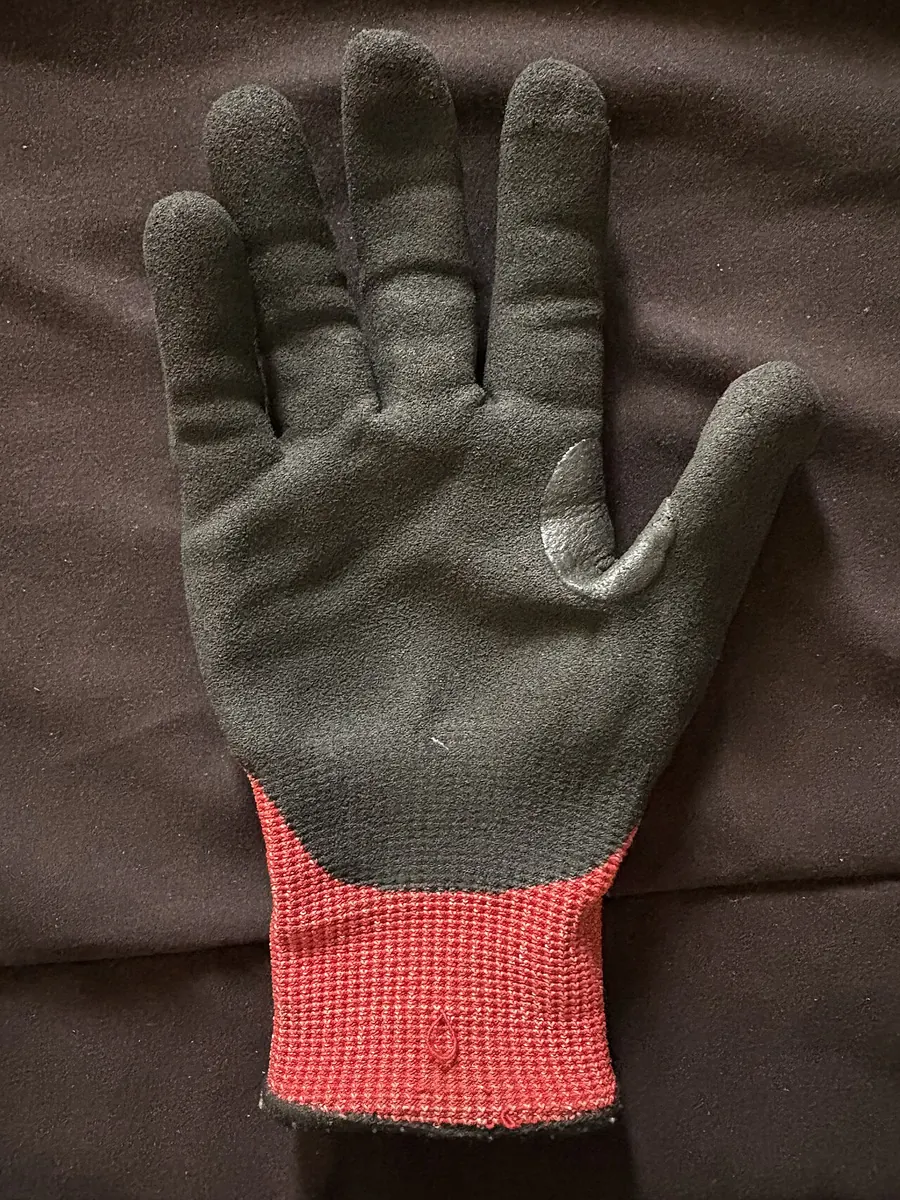
Winter gloves serve two markets. Consumer gloves and mittens, in knitted acrylic, wool blends or polyester fleece, are clothing chosen for warmth and handle. Cold-work gloves, thermal lined and often PU or latex coated, are sold to protect workers and fall under protective equipment rules. Importers in colder markets buy both; Bangladesh's own cool season usually runs from December to February.
Because the rules differ by market, the order must say where the gloves will be sold. Roptan matches it to a verified winter glove manufacturer in Bangladesh, writes your market's labelling and test needs into the order, and inspects pairs, labels and touchscreen tips before shipment.
What to tell a winter glove manufacturer in Bangladesh
- Use and market
- Walking, driving, skiing or cold-store work, and the country of sale. The use decides consumer or PPE rules; the country decides labels and chemical tests.
- Warmth against dexterity
- HSE notes that thicker gloves generally protect more and thinner ones give better dexterity. Name the finger tasks, such as phone use or driving, before fixing knit and lining.
- Fibre composition
- State the exact blend, for example 70 percent acrylic and 30 percent wool. For the EU, it goes on the label in the language of the market.
- Fit and sizes
- Measure hand width just below the knuckles and finger length, and give the split per size: tight gloves tire the hand, and loose ones fold.
- Dry storage
- The wet monsoon season usually runs from June to September. Ask how knit and fleece stock is stored and packed, so that it ships dry.
Labels, tests and rules for winter gloves
- EN 511:2006
- Protective gloves against convective and conductive cold down to minus 50 °C. Ask for the report and the performance levels marked on the label.
- Regulation (EU) 2016/425
- Private-use gloves for weather that is not extreme fall outside it. Work gloves for that weather are Category I, cold-store gloves usually Category II, and gloves for cold like air at minus 50 °C or below, Category III.
- REACH entries 43 and 72
- Azo dyes releasing listed amines above 30 mg/kg are banned in gloves. Entry 72 limits listed CMR substances in consumer textiles, which usually takes in knit and fleece gloves.
- OEKO-TEX Standard 100
- Tests every thread and accessory against over 1,000 harmful substances. Gloves touch the skin, so product class 2 is the usual fit; check the number on the OEKO-TEX label check.
Lead times and delivery
Winter gloves sell in one season, so plan back from the shop date: sampling, bulk, inspection, then sea freight from Chattogram of usually about three to five weeks to Europe or North America. On trade listings, minimums usually run to hundreds of pairs for consumer knit gloves and thousands for lined work gloves. Roptan confirms minimums and dates in the quote.
Inside Bangladesh, Roptan delivers to shops, hotels, offices and plants in Dhaka, Gazipur or elsewhere ahead of the cool season, and lined work gloves to cold stores at any time of year. Each delivery carries the packing list, the inspection report and a VAT invoice (Mushak 6.3).
Buying winter gloves for export
Quotes are FOB Chattogram (Chittagong). Knitted gloves usually enter under heading 6116, split by fibre unless coated; gloves made up from fabric that is not knitted or crocheted, such as woven fabric, usually under 6216; leather under 4203. Your broker settles fleece and mixed builds, such as a knit shell with a leather palm. Documents follow the market: composition labels, chemical or OEKO-TEX reports, and EN 511 papers for cold-work gloves.
Questions buyers ask
Mittens or gloves for very cold markets?
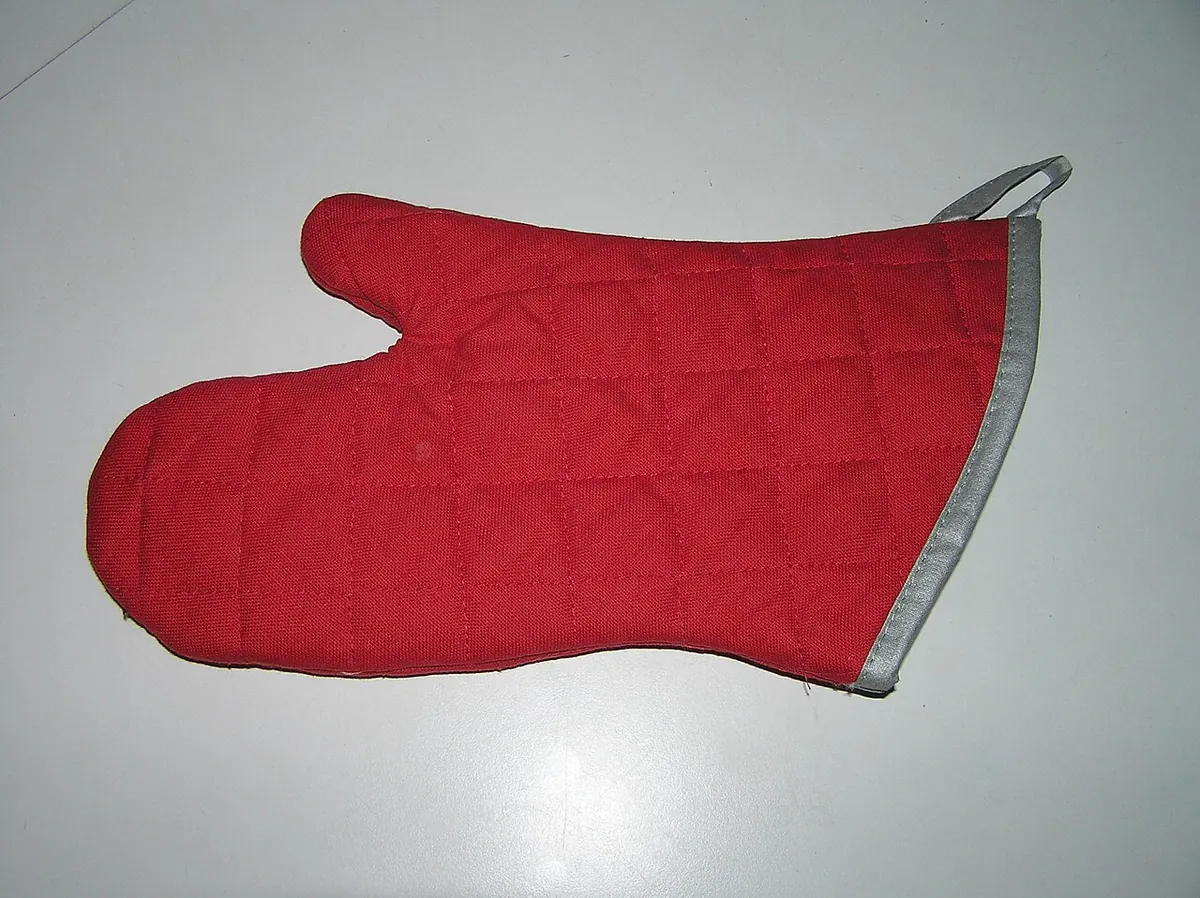
Mittens, where fingers need not work separately. They usually keep the hand warmer because less surface is exposed to the cold, but they cost dexterity. Convertibles, a fingerless glove with a flip-over mitten cap, sit between the two for buyers who need warmth and quick finger use.
Do cold-store gloves need EN 511?
For the EU, usually yes. Gloves sold to protect workers against cold are PPE, and the Regulation requires that cold at the fingertips stays below the pain threshold. EN 511:2006 is the standard for that claim; ask for the report on the exact model and the levels on its label.
Do winter gloves for the US need a flammability test?
Usually not. The US clothing flammability rule, 16 CFR Part 1610, does not apply to gloves not more than 14 inches long that are not part of another garment. Children's gloves need a Children's Product Certificate, backed by tests from a laboratory the CPSC accepts.
Can you add touchscreen fingertips?
Yes. Fingertip builds put conductive yarn or a patch on the fingertips only; full-hand builds make the whole glove conductive, for typing and multi-touch. Both are sold in acrylic knit and leather. Say which fingers must work, and each is tested on drawn samples.
How soon will I hear back about gloves?
Within 48 hours of a complete requirement, with a price and a delivery date. A requirement is complete when it has the quantity, where it is needed and by when.
Who do I deal with?
With Roptan, when Roptan manages the order: we buy from the verified seller and deliver to you. With the supplier directly, when you post on the requirement board and choose a quote yourself.