Buying cut-resistant gloves in Bangladesh
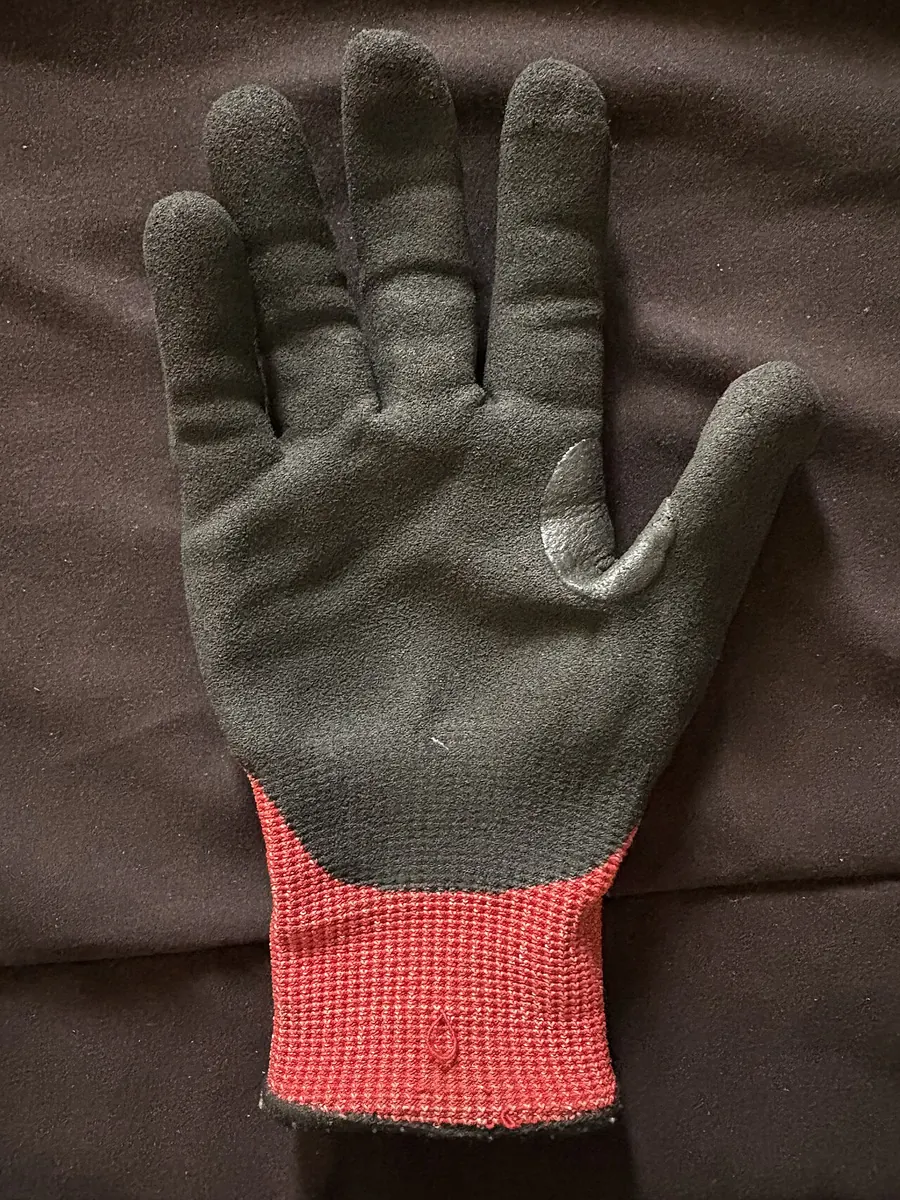
A cut-resistant glove protects the hand from knives, sheet metal, swarf, glass and bladed tools. The protection comes from the yarn or the metal: HPPE, para-aramid, special PVA, glass fibre or steel wire, often blended and coated with nitrile, latex or PU, or stainless steel rings for knife work. Metal, glass, construction and food plants use them.
The cut level is the figure that matters, so it must be proved for the exact glove. Roptan matches your task to a verified cut-resistant glove manufacturer in Bangladesh, compares quotes on the same yarn, gauge, coating and cut result, and checks the report before inspecting the bulk.
What a cut-resistant glove manufacturer in Bangladesh needs from you
- Task and edge
- Name the edge: knives, sheet metal, swarf, glass, bladed tools or castings. The cut tests were written for these sharp-edge hazards, and the level follows the task.
- Scale for your market
- The EN 388 letter A to F for Europe, or ANSI/ISEA 105 levels A1 to A9 for the US. Ask for a report on the scale your market uses.
- Tested area
- Say whether the back and fingers need cut protection as well as the palm, and ask which area the lab tested; EN 388 samples come from the palm.
- Yarn, gauge and coating
- Name the cut yarn and blend, the gauge (13, 15 and 18 are common) and the palm coat. Thinner gloves give dexterity; thicker ones generally protect more.
- Food lines
- For meat, fish or bakery lines in the EU, ask whether Regulation (EC) 1935/2004 applies and for the declaration of compliance and its test basis.
Cut tests and certificates
- EN 388:2016+A1:2018
- The coupe test, a circular blade under 5 N, scores cut 1 to 5; the TDM test gives a letter from A to F at thresholds of 2, 5, 10, 15, 22 and 30 N, F being the highest.
- EN ISO 13997:2024
- The current edition of the TDM cut test method. A report may cite an older edition, so ask which one the lab used.
- ANSI/ISEA 105-2024
- The US classification, released in November 2024: nine cut levels from A1 (200 to 499 g) to A9 (6,000 g and more), tested to ASTM F2992 and shown on a pentagon pictogram with abrasion and puncture.
- EN 1082-1 and EN 1082-2
- For work with hand knives: part 1 covers chain mail gloves and arm guards, part 2 gloves and sleeves of other materials, which give less cut and stab protection.
Lead times and delivery
Where you can, start from a model that already holds a valid cut report and EU certificate; a new model needs testing and, for the EU, a notified body type-examination before bulk. On trade listings, minimums for knitted cut gloves usually run to thousands of pairs per model. Roptan confirms the minimum and dates in the quote.
Inside Bangladesh, Roptan delivers by size to plants and sites in Gazipur, Narayanganj, Chattogram or Dhaka, with the cut report for the model, the inspection report and a VAT invoice (Mushak 6.3). A short wear trial of two levels shows which one users keep on.
Buying cut-resistant gloves for export
Roptan quotes FOB Chattogram (Chittagong). A coated cut glove usually falls under sub-heading 6116 10; uncoated ones follow their yarn within heading 6116, and steel mesh may sit elsewhere, so your broker confirms the line. EU orders carry the declaration of conformity and type-examination certificate; US orders, the ANSI report.
Questions buyers ask
Which cut level do I need?
The lowest that covers the task. HSE notes that thicker gloves generally protect more but thinner ones give better dexterity. ANSI groups A1 to A3 as light, A4 to A6 as medium and A7 to A9 as heavy cut protection; glass and sheet metal work usually sits in the medium group.
Can an EN 388 letter be converted to an ANSI level?
Not exactly. The EN letter is a force in newtons from the TDM test; the ANSI level is in grams under the US method. The methods and loads differ, so the two scales are not interchangeable; ask for a report on your market's scale.
Does a high cut level protect against knife stabs?
No. Cut tests move a blade across the material, not a point pushed in. Under Regulation (EU) 2016/425, knife stabs and cuts by hand-held chainsaws are listed among the Category III risks, and knife-work gloves have their own standards, EN 1082-1 and EN 1082-2.
Do you supply cut gloves for food processing?
Yes. Stainless steel mesh gloves are typically used with hand knives in food work, and knitted cut gloves suit lighter tasks. For EU food lines, ask for a declaration of compliance under Regulation (EC) 1935/2004, which usually applies to articles expected to touch food.
How soon will I hear back about gloves?
Within 48 hours of a complete requirement, with a price and a delivery date. A requirement is complete when it has the quantity, where it is needed and by when.
Who do I deal with?
With Roptan, when Roptan manages the order: we buy from the verified seller and deliver to you. With the supplier directly, when you post on the requirement board and choose a quote yourself.