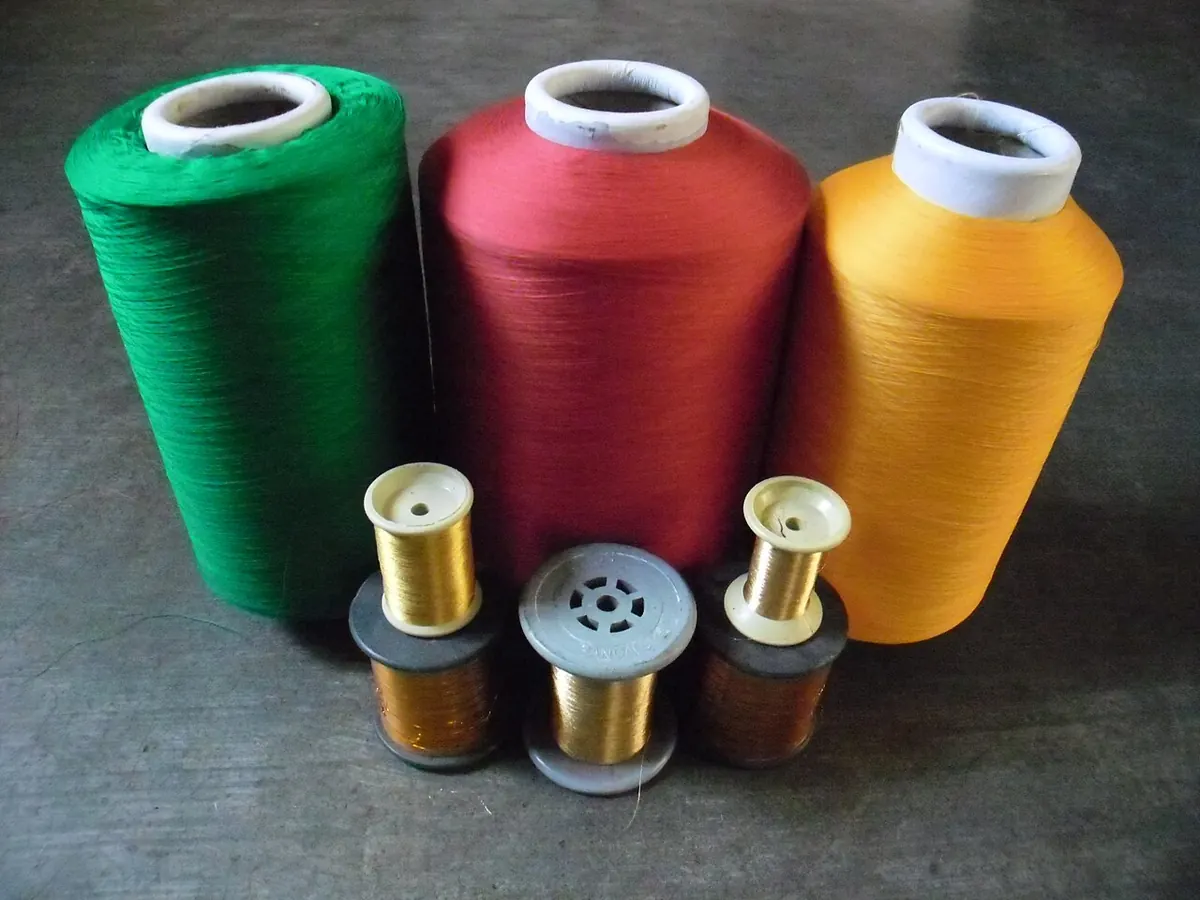
Buying viscose yarn in Bangladesh
Viscose yarn is spun from regenerated cellulose: wood pulp dissolved and formed again into fibre. Modal is a form made to keep more strength when wet, and lyocell is made with a different solvent. Knitters and weavers in Bangladesh buy the yarn alone or blended with cotton or polyester. The fibre is imported, and buyers abroad take both spun and filament viscose yarn.
Viscose differs from cotton in two ways that change an order: it is much weaker wet than dry, and it usually holds more moisture. A viscose yarn manufacturer in Bangladesh should report both. Roptan sources from verified mills, writes wet strength and the moisture basis into the order, checks your lot and delivers. You deal with Roptan only.
Briefing a viscose yarn manufacturer in Bangladesh
- Fibre by generic name
- Viscose, modal or lyocell, as ISO 2076 names man-made fibres, never a trade name, and matching the fibre in the blend report.
- Wet and dry strength
- Regular viscose usually loses about 30 to 50 percent of its strength when wet. Ask for tenacity dry and on wetted specimens, not dry tenacity alone.
- Moisture and invoiced weight
- Viscose usually holds more moisture than cotton, so name the commercial regain used for invoiced weight, an agreed figure rather than a measured one.
- Blend and count
- Fibre names with percentages, count in Ne with a tolerance, single or plied, and spun or filament.
- Shrinkage
- Viscose fabric usually shrinks noticeably in washing. Ask for dimensional change on a washed and dried swatch knitted or woven from the lot.
Tests and papers for viscose yarn
- ISO 1833-5, 1833-6 and 1833-11
- Blend tests chosen by the partner fibre: Parts 5 and 6 for viscose, modal or lyocell with cotton, Part 11 with polyester. Ask which part was used, on which lot.
- ISO 2062:2009 Method D
- Breaking force and elongation on wetted specimens, beside the dry methods. It measures the wet loss that sets viscose apart from cotton.
- ISO 5077
- Dimensional change in washing and drying, measured on fabric. Wash a swatch from the lot before bulk is released.
- FSC or PEFC chain of custody
- Where your customer asks, papers tracing the wood pulp behind the fibre to certified forests, naming the fibre producer. OEKO-TEX Standard 100 does not cover forest sourcing.
Lead times and delivery
Raw white viscose in common counts is usually quicker than modal, lyocell or dope-dyed yarn, which may need fibre bought in. The fibre is imported, so a late letter of credit delays the start; gas cuts slow spinning to order, and a washed swatch adds a step. Roptan confirms the dates and the minimum in the quote.
We deliver to your knitting or weaving unit, cartons marked by lot and fibre and kept dry. The packing list gives net weight at the agreed regain, with the wet and dry strength report and a VAT invoice (Mushak 6.3).
Buying viscose yarn for export
Customs goes by form and main fibre: viscose-led spun yarn under HS heading 5510, viscose filament under 5403, and blends led by cotton or polyester under those fibres' headings. State form and fibre percentages on the quote and invoice. We quote FOB Chattogram with the lot's strength and blend report, the certificate of origin and, for EU GSP, a REX statement.
Questions buyers ask
How is viscose yarn different from cotton yarn?
In two ways that matter for buying. Regular viscose usually loses 30 to 50 percent of its strength wet, and it usually holds more moisture than cotton, which changes invoiced weight. Ask for wet and dry tenacity, and agree the regain before you order.
Is modal stronger than viscose?
When wet, yes. Modal is a high wet modulus form of viscose, made to keep more strength wet; both are regenerated cellulose from wood pulp. Name it as modal, the generic name, and test tenacity on wetted specimens from the lot to confirm it.
Which test checks a cotton-viscose blend?
ISO 1833-5, with sodium zincate, for viscose or modal with cotton, after a solubility check where modal is present; or ISO 1833-6, with formic acid and zinc chloride, which also covers lyocell. For viscose with polyester, ISO 1833-11 applies.
Can you source viscose filament yarn?
Yes, where a seller holds it. Filament viscose is a different product from spun yarn, under customs heading 5403 rather than 5510. Tell us it is filament, the linear density and the end use, and we check it like any other lot.
How soon will I hear back about cotton and synthetic yarn?
Within 48 hours of a complete requirement, with a price and a delivery date. A requirement is complete when it has the quantity, where it is needed and by when.
Who do I deal with?
With Roptan, when Roptan manages the order: we buy from the verified seller and deliver to you. With the supplier directly, when you post on the requirement board and choose a quote yourself.