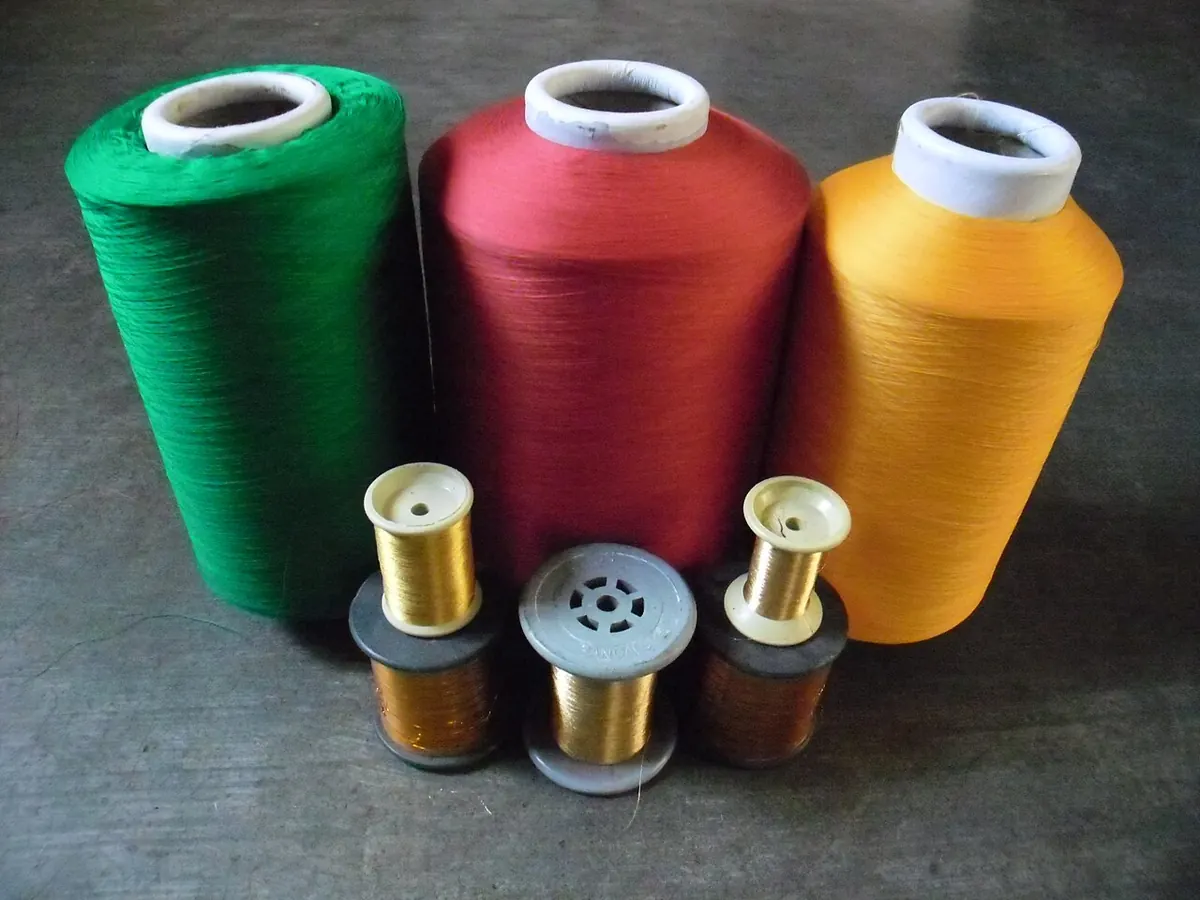
Buying carded cotton yarn in Bangladesh
Carded cotton yarn goes from the card, which disentangles, cleans and mixes the fibre into a sliver, straight to drawing and spinning without combing. It keeps more short fibre, so it is hairier and less even than combed yarn, and cheaper to make. Mills spin it for denim, towels, socks and T-shirts, for buyers at home and abroad.
A carded cotton yarn manufacturer in Bangladesh may spin on ring frames, rotors or both, which give different yarn at the same count. Roptan sources from verified mills, puts the spinning system, count tolerance and test conditions in the order, checks the lot report and delivers. You deal with Roptan only.
Briefing a carded cotton yarn manufacturer in Bangladesh
- Spinning system
- Ring or rotor, in writing: at the same count they differ in strength, evenness and hairiness, and they are tested differently.
- Count tolerance
- The spinner declares its count and twist tolerances in its terms of sale. Get the figure in writing, and negotiate tighter limits for critical end uses.
- Lint and short fibre
- Lint with more than about 25 percent short fibre by number is a problem in spinning. Long staple gives rotor spinning no advantage, so rotor yarn can use shorter lint.
- Nep setting
- Ring yarn neps are usually counted at plus 200 percent and rotor yarn neps at plus 280 percent, per 1,000 m. A quote must say which setting its nep count uses.
- Hall humidity and power
- Ask how the mill holds spinning-hall humidity through gas and power cuts. Dry air gives weaker, brittle yarn; very damp air raises hairiness.
Tests and papers for carded cotton yarn
- ISO 2062:2009 and ASTM D2256
- Single-end breaking force and elongation by four methods; Method C, on relaxed skeins, settles disputes about elongation. The report should give method and speed.
- ISO 2061:2015 and ISO 17202:2002
- Twist by direct counting, which is not suitable for open-end yarn, and twist by untwist and retwist for single spun yarn. Name the twist method for rotor yarn in the contract.
- ISO 139:2005
- The standard atmosphere for conditioning and testing. The report should state temperature, humidity and conditioning time; a test in an unconditioned room does not meet it.
- ISO 6741-1 and ASTM D1909
- Commercial mass of a consignment, and the commercial moisture regains that fix invoiced weight. That regain is a value agreed for trade, not a measured one.
Lead times and delivery
Plain counts can ship sooner from mill stock; in early 2026 mills reported large unsold stocks while running at about half capacity. Yarn spun to order depends on lint in hand and gas supply, and letters of credit for imported raw materials have been slow to open. Roptan confirms the dates and the minimum in the quote.
We deliver to your knitting, weaving or denim unit in cartons or bags marked with lot and count. The packing list gives net weight corrected to the agreed regain, since cotton yarn weighs more in humid months, with the lot report and a VAT invoice (Mushak 6.3).
Buying carded cotton yarn for export
The tariff has no carded line: its word is 'uncombed fibres', and carded yarn is declared there. Add the cotton share (85 percent or more under HS 5205, less under 5206), single or multiple, and the metric-number band, where 14 to 43 Nm is about Ne 8 to 25. We quote FOB Chattogram with the lot report, the certificate of origin and a REX statement for EU GSP.
Questions buyers ask
Ring or rotor carded yarn: which should I buy?
Ring yarn when strength comes first; rotor yarn for an even, full yarn in medium or coarse counts at lower cost. Set a strength limit for each, since rotor yarn is usually the weaker at the same count.
Is carded yarn the same as uncombed yarn?
Not by definition. 'Uncombed' is the customs tariff's word for yarn not spun from combed fibres, and carded yarn is declared under it. Carding itself is the step that cleans and mixes fibre into a sliver.
Which counts suit rotor yarn?
Usually medium to coarse, roughly 40 Ne down to 5 Ne. Rotor spinning gains nothing from long staple, so it can use shorter lint. Finer counts are usually ring spun.
Why does delivered weight differ from the invoice?
Cotton takes up moisture, so its weight changes with the air. Contracts fix a commercial regain, a value agreed for trade, and invoiced weight is corrected to it. Agree the regain before you order.
How soon will I hear back about cotton and synthetic yarn?
Within 48 hours of a complete requirement, with a price and a delivery date. A requirement is complete when it has the quantity, where it is needed and by when.
Who do I deal with?
With Roptan, when Roptan manages the order: we buy from the verified seller and deliver to you. With the supplier directly, when you post on the requirement board and choose a quote yourself.