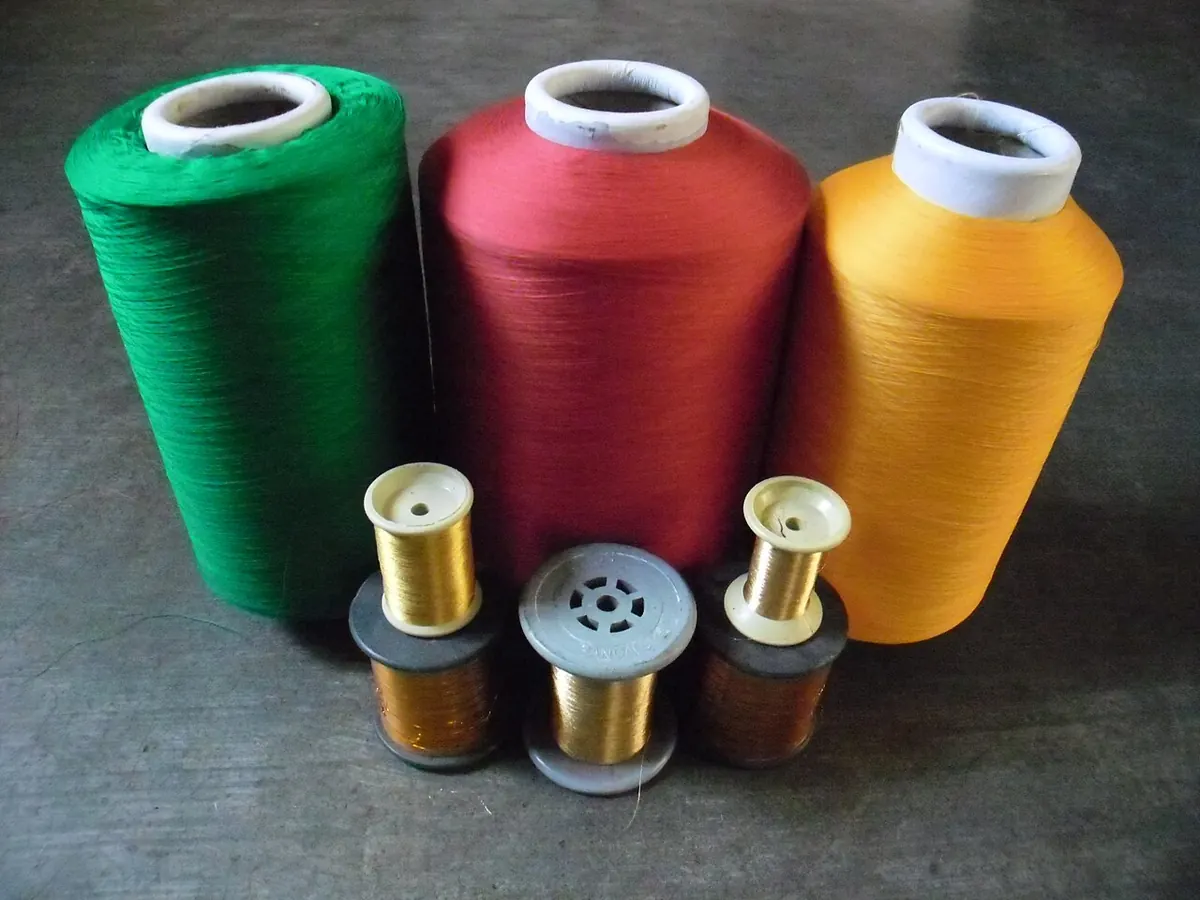
Buying melange and slub yarn in Bangladesh
Melange yarn, also called heather, mixes fibre coloured before spinning with undyed or differently dyed fibre, so the blend ratio sets its shade. In slub yarn, thick places are made on purpose, and a slub may be three or four times as thick as the base yarn. Melange for knitting is usually about 20/1 to 30/1 Ne.
A melange shade holds only while the ratio holds, and a slub pattern cannot be judged by a standard evenness test. A melange and slub yarn manufacturer in Bangladesh should prove both on fabric. Roptan sources from verified mills, has a swatch knitted from each lot and checked against your standard, then delivers. You deal with Roptan only.
How to brief a melange and slub yarn manufacturer in Bangladesh
- Shade and ratio
- A physical shade standard and the share of dyed fibre. A different ratio gives a different shade, so ask for the actual ratio of every lot.
- Base yarn
- Fibre, count in Ne and spinning system of the yarn before any slub; its count and strength are what a lab can still measure.
- Slub parameters
- Slubs per kilometre, slub diameter, slub length and distance between slubs, or the mill's approved pattern file.
- Slub method
- Ring frames make slubs by varying back and middle roller speed, rotors by varying feed-roller speed. Older methods left a thin place after each slub, which weakens the yarn.
- Strength of dyed fibre
- Fibre dyed before spinning is damaged, so melange usually has lower strength and more neps and hairiness than grey yarn. Set limits for the dyed-fibre yarn itself.
Tests that fit melange and slub yarn
- ISO 16549:2021 and fancy yarn
- The capacitance method behind U% and imperfection counts states that it does not apply to fancy yarns. U% and IPI cannot accept or reject a slub lot.
- ISO 105-J03:2009
- Calculates colour difference as delta E CMC (l:c) and lets the buyer set a maximum as the tolerance. Measure on a knitted swatch from the lot, not on the cone.
- ISO 105-A05 and ISO 105-C06
- A05 turns an instrumental colour change into a grey-scale rating; C06 tests colour fastness to washing. Ask for both on the knitted swatch.
- ASTM D2255 and ISO 10290
- D2255 grades singles spun yarn for appearance, not plied yarn. ISO 10290 covers grey cotton yarn only, so melange needs its criteria agreed in writing.
Lead times and delivery
Melange cannot come from grey stock. A new shade needs fibre dyed, a swatch approved and a trial run before bulk, so it usually takes longer than grey yarn, and each extra swatch round adds time. Gas supply to mills also sets the date. Roptan confirms the dates and the minimum in the quote.
We deliver to your knitting unit with cartons marked by lot and shade, since melange lots can differ in shade and must not be mixed on the machines. The yarn comes with the lot's swatch approval, the ratio and test report, and a VAT invoice (Mushak 6.3).
Buying melange and slub yarn for export
For buyers abroad, agree the tariff line with your customs broker, giving fibre content and count. We quote FOB Chattogram with the approved swatch and shade reading for the lot, the packing list by lot and shade, and the certificate of origin. For dyed yarn, ask for an OEKO-TEX Standard 100 certificate in the product class of your end use.
Questions buyers ask
Why can't U% decide whether slub yarn passes?
Because the slubs are deliberate thick places. ISO 16549:2021, the capacitance method behind U% and imperfection counts, states that it does not apply to fancy yarns. Test the base yarn's count and strength, check the slub parameters, and approve a swatch knitted from the lot.
Is melange the same as marl?
No. In melange, fibres are dyed before spinning, so the colours mix inside one yarn. Marl is made by plying two yarns of different colours together. Both give a heathered look in fabric, so name the construction you want.
Why does my melange shade change between lots?
Usually because the share of dyed fibre, or the shade of the dyed fibre itself, has moved; blend-ratio variation is a common melange fault. Approve each lot on a knitted swatch against your standard and keep lots apart in knitting.
Is melange yarn weaker than grey yarn?
Usually, yes. Dyeing damages fibre before it is spun, giving more short fibre, lower strength and elongation, and more neps and hairiness. Agree strength limits for the dyed-fibre yarn itself, not figures taken from grey yarn of the same count.
How soon will I hear back about cotton and synthetic yarn?
Within 48 hours of a complete requirement, with a price and a delivery date. A requirement is complete when it has the quantity, where it is needed and by when.
Who do I deal with?
With Roptan, when Roptan manages the order: we buy from the verified seller and deliver to you. With the supplier directly, when you post on the requirement board and choose a quote yourself.