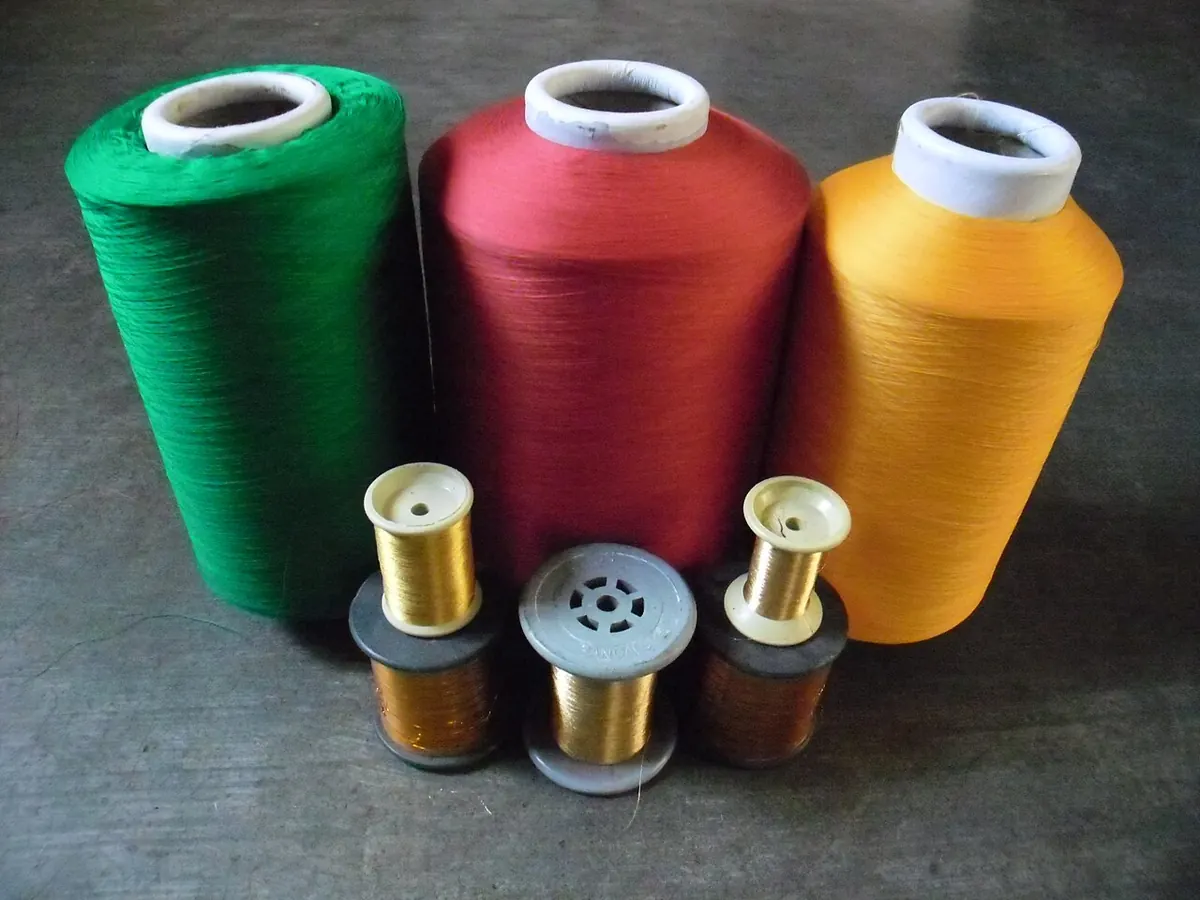
Buying combed cotton yarn in Bangladesh
Combed cotton yarn is spun from cotton combed after carding, which lays the fibres parallel and removes short fibre and neps as a waste called noil. The yarn is smoother, stronger, more even and less hairy than carded yarn. Knitters buy it for T-shirt jersey and socks, weavers for shirting warp and towels, and importers abroad buy it too.
Two mills' combed yarn of the same count can differ in fibre length, evenness and hairiness. Roptan sources from verified mills, writes those limits into the order, checks your lot's report and cones, and delivers. Whichever combed cotton yarn manufacturer in Bangladesh spins it, you deal with Roptan only.
How to brief a combed cotton yarn manufacturer in Bangladesh
- Count and the fibre behind it
- Count in Ne with a tolerance, plus the fibre length and micronaire band of the cotton mixing. Fine counts usually need longer staple and more twist.
- Limits as numbers
- A UK tariff line shows the form, not a norm: compact spinning with pneumatic compression, average fibre length 36.5 mm or more, and 26.5 cN/tex or more to ISO 2062:2009 at 5,000 mm/min.
- Evenness
- Name U% or CV%, the test speed and length. CV% is roughly 1.25 times U%, so a quote in one cannot be read directly against a limit in the other.
- Hairiness
- Finer counts are usually hairier, and uneven hairiness can show as barré. Name the index the lot report must give.
- Contamination
- Most contamination enters the bale at harvest, ginning and baling, and a single foreign fibre can downgrade a fabric. Ask how the mill sorts lint and sets its clearers.
Standards and tests for combed cotton yarn
- ISO 10290:2018
- Lists the criteria and test methods for describing single spun grey cotton yarn. It covers undyed yarn only, so dyed or blended combed yarn needs its own agreed criteria.
- ISO 16549:2021 and ASTM D6197
- The capacitance method for unevenness, with counts of thin places, thick places and neps. ASTM D6197 classifies and counts the faults and leaves hairiness out.
- ISO 2403 and ISO 4913
- Fibre tests behind the yarn: micronaire, and span length with uniformity index. Ask for the results on the cotton mixing used for your lot.
- GOTS
- For organic combed yarn, every firm from spinning on must be certified, and organic fibre is kept apart, not mass-balanced. Ask for the scope certificate and a transaction certificate for the shipment.
Lead times and delivery
Common combed counts can come from mill stock: in early 2026 many mills ran at about half capacity with unsold yarn on hand, which can shorten the wait. Yarn spun to order waits for the right lint, and gas cuts slow it; doubling, mercerising or dyeing adds steps. Roptan confirms the dates and the minimum in the quote.
Inside Bangladesh we deliver to your knitting or weaving unit, cartons marked by lot and count. For knitting yarn, ask for cones wound with a tail, an accurate cone angle and even density, with knots on the cone nose. The papers include the lot report and a VAT invoice (Mushak 6.3).
Buying combed cotton yarn for export
Customs sorts cotton yarn by cotton share, single or multiple, combed or uncombed fibres and metric-number band, splitting fine combed yarn again at 94 and 120 Nm. Put all four on the quote, invoice and LC. We quote FOB Chattogram with the lot report, the certificate of origin and, for EU GSP, a REX statement.
Questions buyers ask
Which counts are usually combed?
Fine and medium counts. Combing is usual for fine yarn and also used in the medium range. Send your count and end use, and we ask mills that spin it combed, ring or compact, and compare their lot reports for you.
Is compact combed yarn worth the difference?
It depends on the fabric. Compact yarn is usually less hairy, stronger and more even than ring yarn of the same count, and the difference shows most in fine knits and shirting. Knit or weave a sample of each before you choose.
Why ask for fibre results as well as yarn results?
Because the lint sets what the yarn can reach. Fine counts usually need longer staple, and immature fibre raises hairiness. Micronaire and span length on the mixing show whether a mill can hold your count lot after lot.
What is a knots-per-cone limit?
Winding cuts faults out of the yarn and joins the ends with knots, placed on the cone nose where they can be counted. The order sets a maximum per cone, and any cone above it is rejected. Put the limit and the clearer setting in the order.
How soon will I hear back about cotton and synthetic yarn?
Within 48 hours of a complete requirement, with a price and a delivery date. A requirement is complete when it has the quantity, where it is needed and by when.
Who do I deal with?
With Roptan, when Roptan manages the order: we buy from the verified seller and deliver to you. With the supplier directly, when you post on the requirement board and choose a quote yourself.