Managed sourcing from Bangladesh, for export and for buyers at home
Get it sourced

Plastics and polymers · Polymers and resins

Polyamide chip supplier in Bangladesh

Buy through Roptan, your polyamide chip supplier in Bangladesh. Tell us nylon 6 or 66, the viscosity and its basis, the lustre and the tonnage: we source imported chips from verified sellers, check each lot's certificate and deliver to your plant.

  • Verified sellers
  • Checked before it ships
  • Delivered by Roptan

Get polyamide chips sourced

Prefer to deal with suppliers yourself? Post it on the requirement board

Buying polyamide chips in Bangladesh

Polyamide chips are nylon pellets. Spinners melt them into filament and fibre for yarn, carpet and tyre cord, and moulders turn engineering grades into parts by extrusion, casting and injection moulding. Nylon 6 and nylon 66 carry most of the trade. No Bangladeshi producer was found in the sources we checked, so expect a polyamide chip supplier in Bangladesh to offer imported chips.

Roptan sources the type and grade you name from verified importers and stockists, tells you the producing country, and asks each seller for the same certificate values: viscosity with its basis and solvent, moisture, lustre and titanium dioxide. We check the lot against your limits and deliver it.
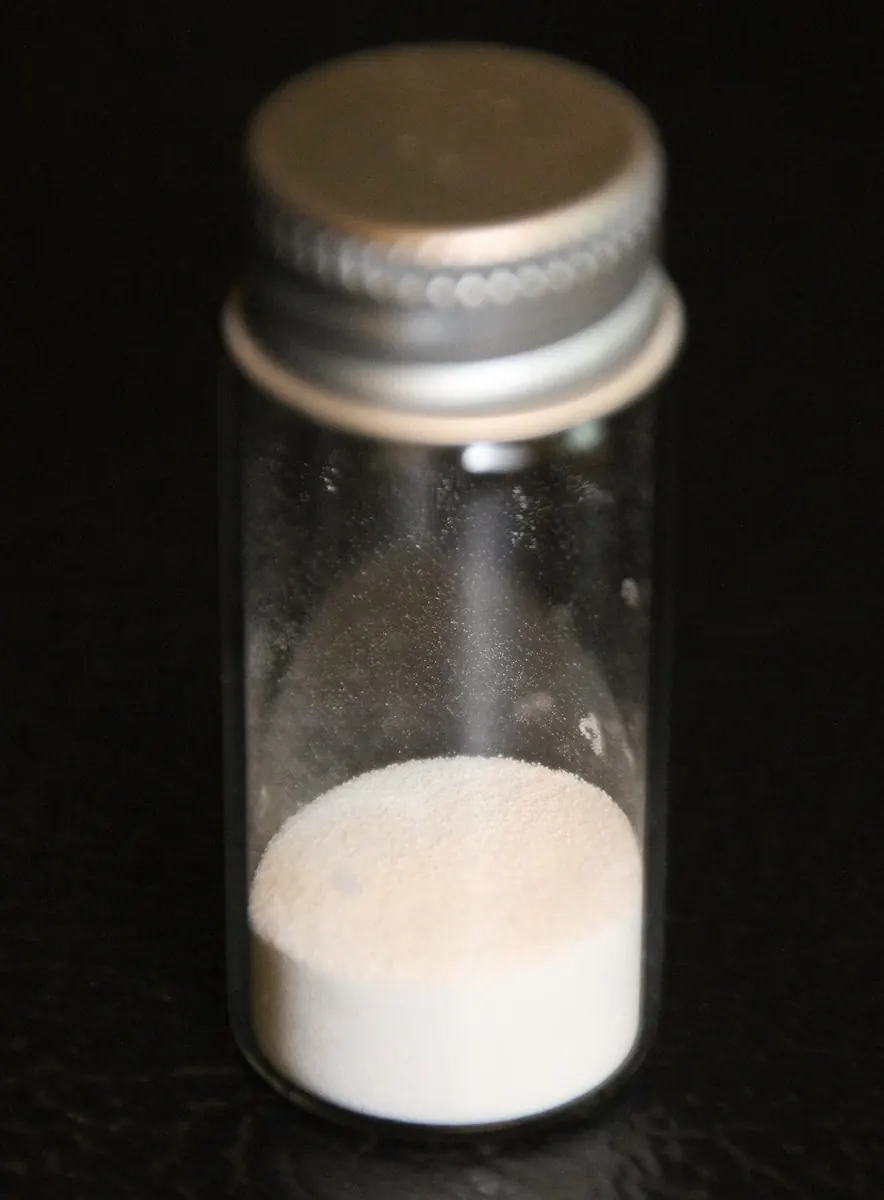
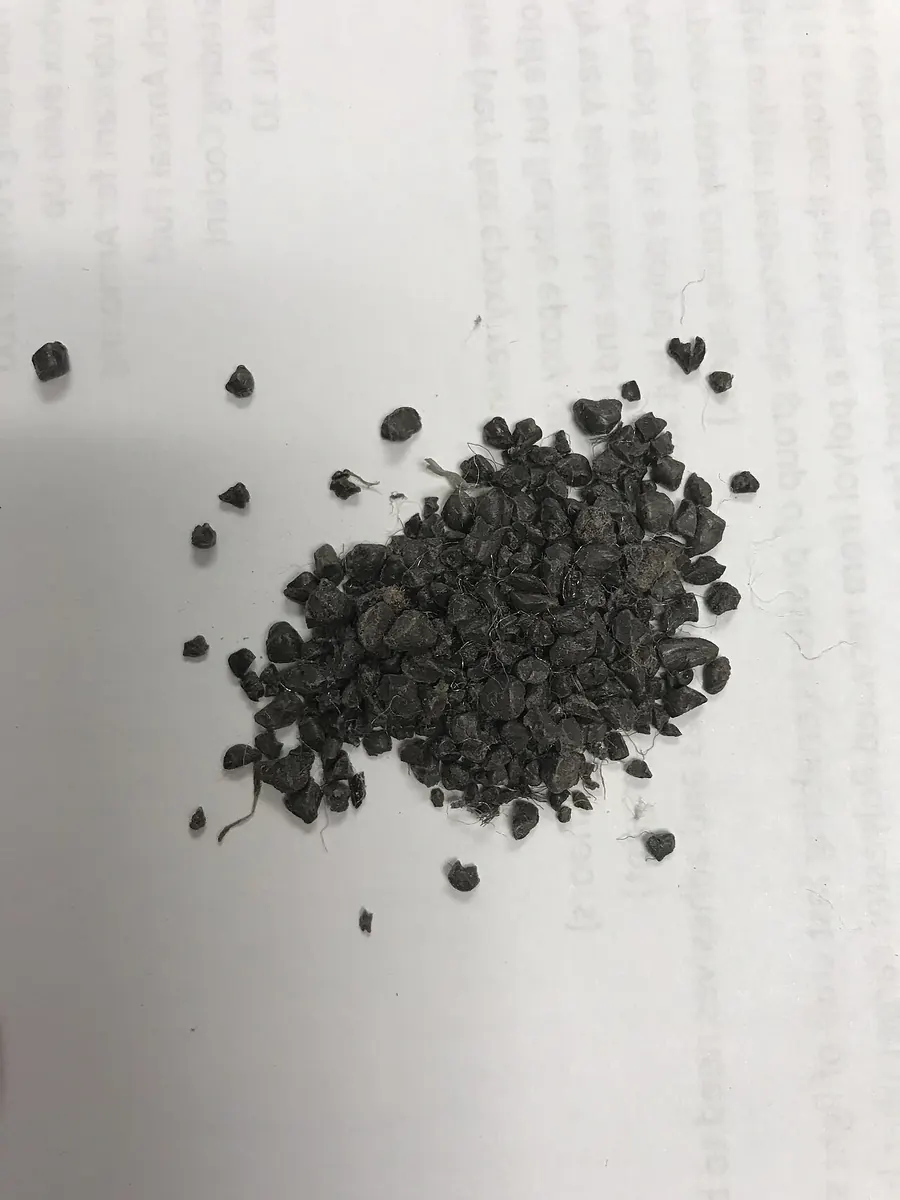
Kinds of polyamide chip

Nylon 6 chips

Made from caprolactam and melting at about 220 °C. It takes up moisture faster than nylon 66 and has higher impact resistance. Choose it for easier processing and toughness.

Nylon 66 chips

Made by condensing a diamine with a diacid, melting at about 265 °C. Choose it where the yarn or part must stand more heat.

Fibre chips by lustre

Sold bright, semi-dull or full-dull, set by titanium dioxide, since extruded nylon is otherwise very shiny. Up to about 2 percent titanium dioxide is used, depending on the lustre wanted.

Engineering grades

Glass-fibre reinforced and other compounded grades for moulded and extruded parts. Choose them against the moulder's data sheet, with the conditioning stated.

Specialty polyamides

Nylon 610 and similar types take up less water but cost more, because sebacic acid is dear. Choose them only when the part needs that.

How to specify a polyamide chip

Type and use
Nylon 6 or 66, and whether the chip goes to filament, staple fibre, carpet yarn, tyre cord or moulded parts.
Viscosity and its basis
Viscosity number to ISO 307 or relative viscosity, with the solvent. They are different scales, so state which you mean, as a range.
Moisture
Nylon takes up or gives off water with the air around it, and water acts as a plasticiser. Set a maximum on the certificate.
Lustre
Bright, semi-dull or full-dull, with the titanium dioxide level, so that each lot matches the last in appearance.
Conditioning for parts
For precise moulded parts, state dry as moulded or conditioned to a humidity, since moisture changes dimensions as well as strength.
Storage and drying
Keep chips dry, covered and sealed until use, above all in the monsoon, and dry them as the data sheet says before processing.

Test methods and papers for polyamide chips

ISO 307
Viscosity number of polyamides in dilute solution, for PA 6, PA 66, PA 610 and others. Ask which solvent the certificate used.
ISO 16396-1
The designation system for polyamide moulding and extrusion materials, built on viscosity number, tensile modulus and nucleating additive. Ask the seller to state the grade in it, so offers compare.
ISO 15512 and ISO 3451-1
Water content of plastics in granule form, and ash, which shows filler, pigment and titanium dioxide. ISO 3451-1 sets particular conditions for polyamides.
21 CFR 177.1500 and Regulation (EU) No 10/2011
Food-contact rules for nylon resins in the US and for plastics in the EU. Ask for the compliance letter when chips go into food packaging or processing parts.

What moves the price of a polyamide chip

  • Specialty types: nylon 610 and similar grades cost more because of the price of sebacic acid.
  • Import costs: imported chips move with the exchange rate and sea freight.
  • World markets: other resins rose in price in Bangladesh in mid-2026 after the Middle East crisis; polyamide was not reported, so ask how long a quote holds.
  • Recycled nylon: post-consumer recycling is expensive and difficult, so recycled chips are scarce rather than a cheaper substitute.

Lead times and delivery

No figure can be given in advance. Chips an importer holds in Bangladesh move fastest; a grade ordered from a producer abroad waits on production, sea freight and clearance at Chattogram, and a trial spin or moulding run adds time before bulk. Overseas sellers set their own minimums, and stock lots can be smaller. Roptan confirms the dates and the minimum in the quote.

Roptan delivers to your plant anywhere in Bangladesh with the lot's certificate of analysis, the safety data sheet, a packing list and a VAT invoice (Mushak 6.3), and the papers name the producing country. Because polyamide takes up water from humid air, we check that bags arrive closed and dry. Store them under cover and sealed until they go to the dryer.

What we check for this order

  • Viscosity basisWe check the certificate states viscosity number or relative viscosity with the solvent, inside your range.
  • Moisture valueWe check that a moisture figure and its method are on the certificate, since wet chips behave differently in processing.
  • Lustre and lotWe match the lustre grade, titanium dioxide level and bag lot numbers to the certificate.
  • Trial runWe get you a sample for a trial spin or moulding run before the bulk order.

Questions buyers ask

Nylon 6 or nylon 66?

Nylon 66 melts at about 265 °C against about 220 °C for nylon 6, so it suits work where heat matters. Nylon 6 absorbs moisture faster and has higher impact resistance. Your process and end use decide; state the type on the order.

Are polyamide chips made in Bangladesh?

No producer was found in any source we checked, and the only polymer plant identified here makes PVC and PET. Treat polyamide chips as imported, whether you buy through an importer, a stockist or direct. Roptan names the producing country on every offer.

How should we store and dry nylon chips?

Keep them dry, covered and sealed until use. Nylon absorbs or gives off moisture with the humidity around it, and the water acts as a plasticiser, so humid months matter. Dry the chips as the data sheet says before processing, and check moisture on each lot.

Can we get recycled nylon chips?

Rarely. Moulders regrind their own sprues and runners and mix them with virgin granules, but post-consumer nylon recycling is expensive and difficult, so few companies do it. If a seller offers recycled chips, ask for the source and the viscosity after remelting.

How soon will I hear back about polymers and resins?

Within 48 hours of a complete requirement, with a price and a delivery date. A requirement is complete when it has the quantity, where it is needed and by when.

Who do I deal with?

With Roptan, when Roptan manages the order: we buy from the verified seller and deliver to you. With the supplier directly, when you post on the requirement board and choose a quote yourself.

Other polymer and resin products

Each product type has its own page as it is published; until then its card opens the category form.

All polymers and resins