Buying PET chips in Bangladesh
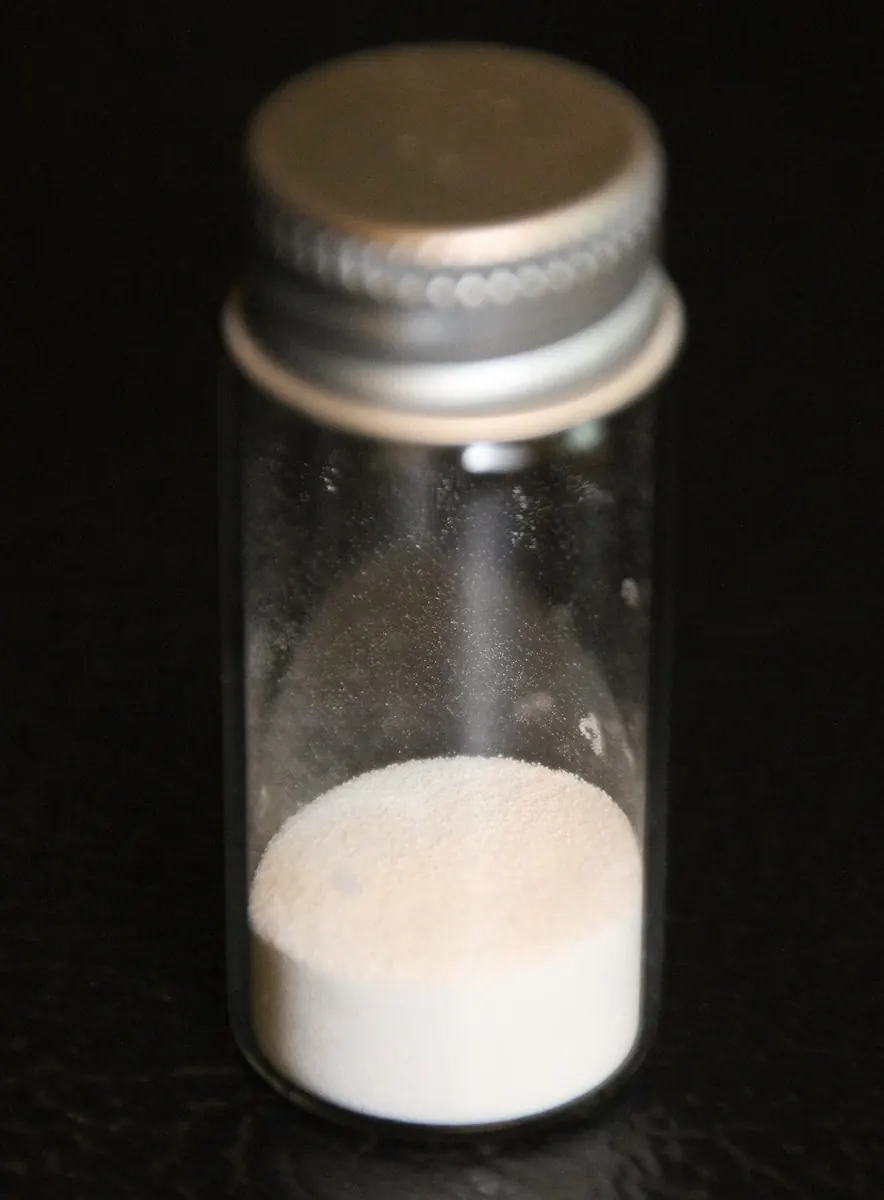
PET chips are pellets of polyethylene terephthalate, the polyester that bottle makers blow into water and soft drink bottles and spinners melt into yarn and fibre. Here they also go into food containers, packaging and thermoformed trays. One plant in Narayanganj has made PET resin since 2022, yet most chips used here are still imported, so a PET chip supplier in Bangladesh should tell you which you are getting.
Roptan sources the grade you name from verified sellers and states the origin of every offer. Each seller gives the same certificate values, viscosity on your scale, moisture, colour and, for bottle grade, acetaldehyde, so the offers compare. We check the lot against your limits and deliver it.
How to specify a PET chip
- End use
- Name what the chip feeds: water bottle, carbonated drink bottle, filament, staple fibre, film or sheet. Each takes its own viscosity band.
- Viscosity and its scale
- Data sheets give IV in dl/g, while customs tariffs split PET at a viscosity number of 78 ml/g. These are different scales: state which one you mean, with a range.
- Moisture
- PET is hygroscopic. Set a moisture maximum with the test method, and dry the chips before the extruder or spinning line.
- Acetaldehyde
- For bottled water, set a limit: it forms as PET degrades, can taint the taste, and rises with high melt temperature, long residence and high shear.
- Lustre and colour
- Bright or semi-dull with the titanium dioxide level for fibre; the colour values you accept for bottle and film grades.
Test methods and rules for PET chips
- ISO 1628-5
- The dilute-solution viscosity method for thermoplastic polyesters. Ask which method and solvent produced the certificate value, so two sellers' numbers compare.
- ISO 15512
- Water content of plastics in granule form. Its methods reach different lower limits, so ask which one gave a low moisture figure.
- Regulation (EU) No 10/2011 and 21 CFR 177.1630
- Food-contact rules for plastics in the EU and for polyethylene phthalate polymers in the US. Bottle makers selling there ask the chip producer for a compliance declaration.
- EN 15348:2024
- Sets the main characteristics and test methods for PET recyclates, so buyer and seller can agree a specification for recycled chips.
Lead times and delivery
No fixed time applies. Chips held by an importer or the local plant move fastest; a grade ordered from abroad waits on the producer's schedule, sea freight and clearance at Chattogram, and a trial run adds time. Overseas producers often sell virgin chips by the container; stock lots can be smaller. Roptan confirms the dates and the minimum in the quote.
Roptan delivers to your plant anywhere in Bangladesh in sealed 25 kg bags with the lot number on each. You receive the lot's certificate of analysis, the safety data sheet, a packing list and a VAT invoice (Mushak 6.3). Keep the bags sealed, off the floor and under cover in the monsoon until they go to the dryer.
Buying PET chips for export
EPB records PET with other polyesters under heading 3907, so EPB gives no PET-only export figure, though the Narayanganj plant reported early sales abroad. Ask where the chips were made and what the certificate of origin will state. Roptan quotes FOB Chattogram with the lot certificate and the seller's ERC.
Questions buyers ask
What IV should PET chips have for bottles?
It depends on the bottle. Published bands are about 0.70 to 0.78 dl/g for general bottles and 0.78 to 0.85 for carbonated drinks; sellers often list bottle chips at 0.80 or 0.84. Put the range on your order and name the scale.
Is PET resin made in Bangladesh?
Yes, in part. One plant in Narayanganj has made it since 2022, but a 2026 report says imports still meet about 70 percent of the country's PET and PVC resin demand. Roptan tells you whether each offer is local or imported.
Why does our viscosity drop after extrusion?
Usually because the chips were melted wet. PET takes up water from the air; melted wet, it loses molecular weight by hydrolysis and turns brittle. Keep bags sealed, dry the chips fully and ask for moisture on each certificate.
Can recycled PET chips go into food bottles?
In the EU, only from a mechanical recycling process individually authorised under Regulation (EU) 2022/1616. Most recycled PET goes into fibre instead. Ask for the authorisation before any food-contact use.
How soon will I hear back about polymers and resins?
Within 48 hours of a complete requirement, with a price and a delivery date. A requirement is complete when it has the quantity, where it is needed and by when.
Who do I deal with?
With Roptan, when Roptan manages the order: we buy from the verified seller and deliver to you. With the supplier directly, when you post on the requirement board and choose a quote yourself.