Buying non woven geotextile in Bangladesh
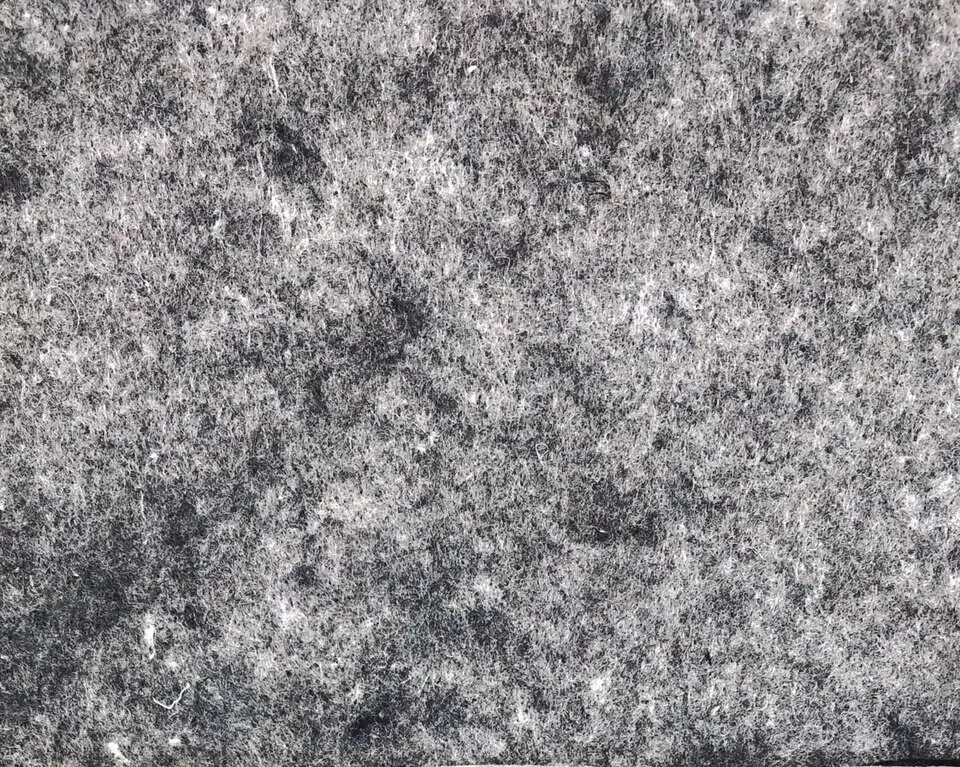
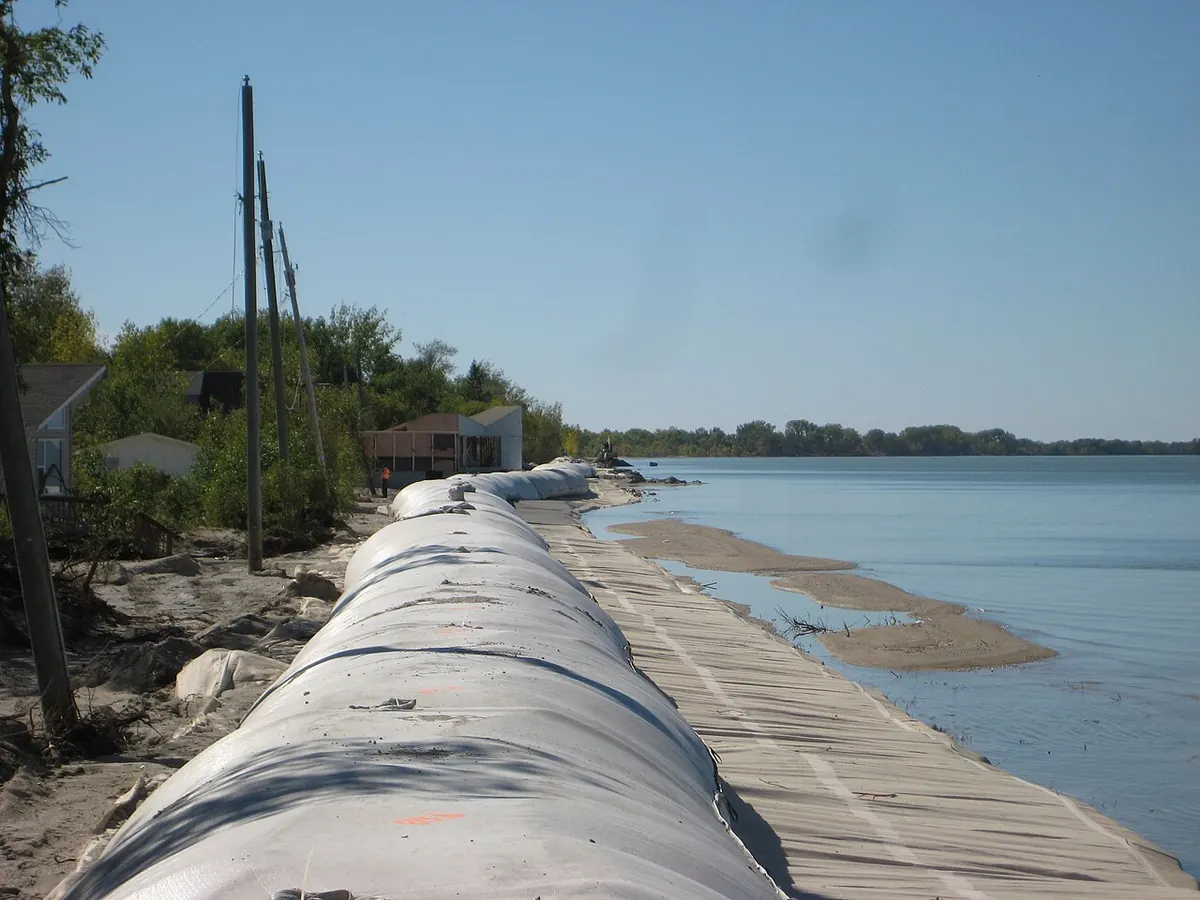
Non woven geotextile is a felt-like fabric of fibres laid at random and bonded by needle punching, heat or resin, usually in polypropylene or polyester. It filters and drains, holding soil back while water passes. BWDB contractors lay it with sand and brick chip filter layers under concrete block revetments; drainage and road jobs usually call for lighter grades.
A light non woven and a river filter grade can look alike on the roll. As a non woven geotextile supplier in Bangladesh, Roptan reads your full property table, finds a verified maker that runs the grade, checks mass, thickness and strength on each production run's report and delivers rolls labelled to match.
How to specify a non woven geotextile
- Mass and thickness at a pressure
- BWDB's filter asks at least 400 g/m² and 3.00 mm measured under 2 kPa. Non woven thickness changes with test pressure, so state the pressure with the figure.
- Strength and puncture
- The same item asks strip tensile of at least 23 kN/m, grab of 1,500 N and CBR puncture of 3,800 N. Never buy a filter grade on mass alone.
- Elongation range
- BWDB sets elongation at maximum force between 60% and 100% along the machine direction and 40% to 100% across. A fabric too stiff fails the range as surely as one too stretchy.
- Permeability and opening size
- The item asks horizontal and vertical permeability above 0.002 m/s under 2 kN/m². For opening size, copy the figure and method from your own tender: one item prints two.
- Polymer and stabiliser
- Copy the polymer line exactly, such as 97% polypropylene with 3% additives. A US federal specification requires UV stabilisers or inhibitors in the fibre.
Tests for non woven geotextile
- ISO 13438 and EN 12224
- Named for the filter fabric in BWDB's Shank (CC block) bill: oxidation screening for service life and weathering under UV lamps. Ask for both reports where your bill names them.
- ASTM D4355
- Strength left after xenon-arc light, moisture and heat. US tables ask at least 50% retained; a Canadian highway table writes 50% at 500 hours.
- ISO 9863-1 or ASTM D5199; ASTM D5261 or ISO 9864
- Thickness at stated pressures and mass per unit area, the first two checks on any delivery.
- ISO 10319:2024, ASTM D4632, ISO 12236:2026 or ASTM D6241-22a
- Wide-width tensile, grab and puncture. ASTM grab results compare only fabrics of very similar structure, so judge offers on the method your contract names.
- ISO 11058:2019 or ASTM D4491; ISO 12956:2019 or ASTM D4751
- Water flow through the fabric and opening size, the two filter properties set by the soil behind it.
Lead times and delivery
A grade the maker already runs ships sooner than a heavy river filter grade made to order. A new polymer mix, durability reports and a long lab queue slow it; stock weights in common widths move faster. Imported rolls add sea freight to Chattogram. Roptan confirms the dates and the minimum in the quote.
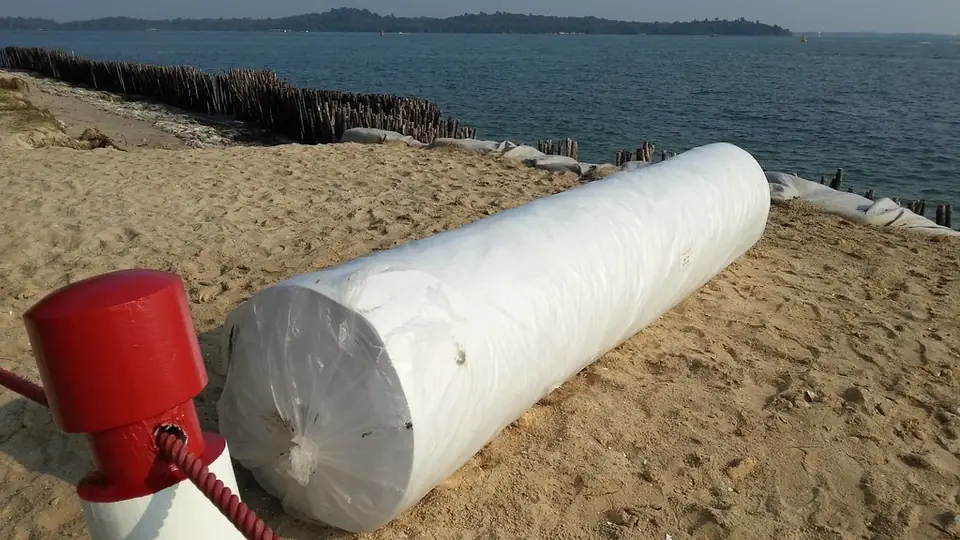
We deliver wrapped rolls to your yard or site, each labelled with grade and production run, plus seaming thread if you order it. BWDB's item has the contractor seam with 100% polypropylene or nylon thread and protect the fabric from UV and damage. Each delivery carries a test report per production run, a packing list and a VAT invoice (Mushak 6.3).
Questions buyers ask
What GSM of non woven geotextile do I need?
Your design decides, and mass alone does not define the fabric. BWDB's revetment filter asks at least 400 g/m² with set strength and thickness, while one published drain filter example uses 200 g/m² layers. Buy against the full property table, not the weight.
Why does thickness depend on the test pressure?
Non woven fabric is a compressible felt, so it reads thinner under load. That is why BWDB states its 3.00 mm under 2 kPa and why ISO 9863-1 measures at specified pressures. A thickness quoted without a pressure cannot be compared.
Can a light road grade go under concrete blocks?
Not where the contract asks for river values. A Canadian highway table sets 500 to 900 N grab strength by duty, while BWDB's revetment filter asks at least 1,500 N with 3,800 N CBR puncture. Quote the grade your bill names.
Is it the same fabric as in geo bags?
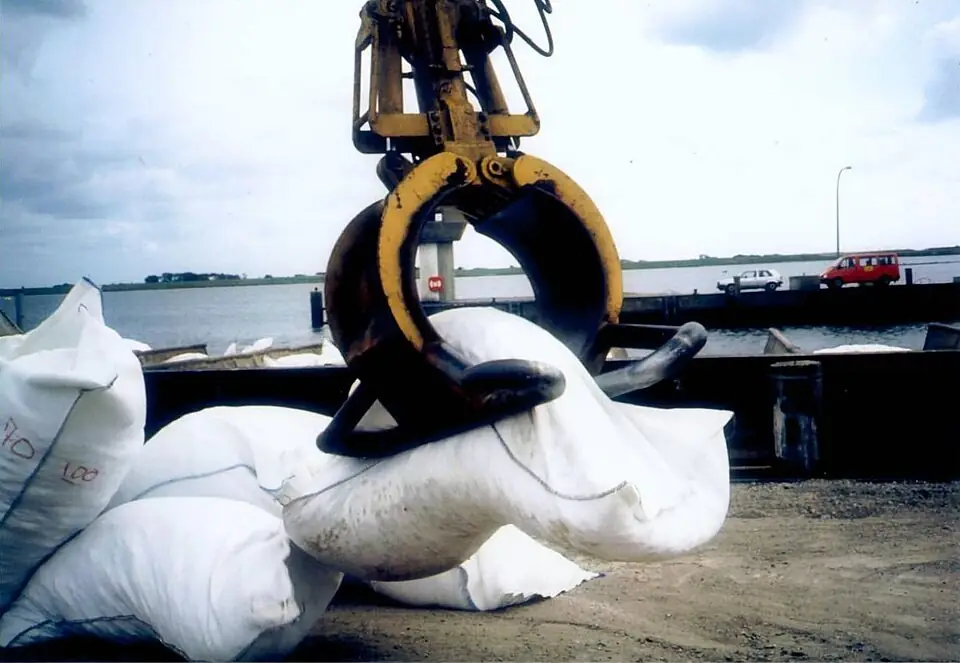
The same family, not always the same item. One 2019 study found field bags made of non woven fabric at about 400 g/m², but a filter roll and bag fabric can differ in polymer and strength. Order each to its own bill item and test it separately.
How soon will I hear back about geo bags?
Within 48 hours of a complete requirement, with a price and a delivery date. A requirement is complete when it has the quantity, where it is needed and by when.
Who do I deal with?
With Roptan, when Roptan manages the order: we buy from the verified seller and deliver to you. With the supplier directly, when you post on the requirement board and choose a quote yourself.