Buying non woven fabric in Bangladesh
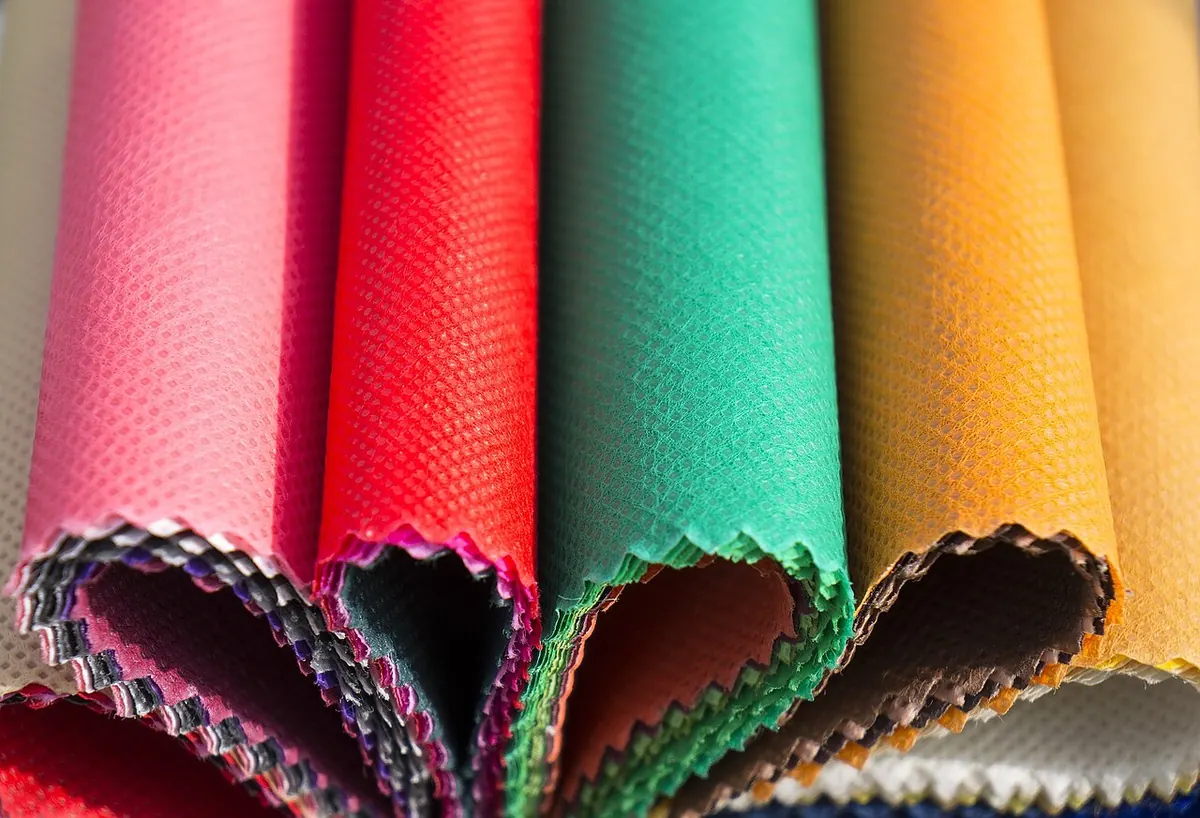
A nonwoven is neither woven nor knitted: fibres or filaments are laid into a web and bonded by heat, by needling or water jets, or with resin, with no yarn-making step. The route sets strength, handle and use. Buyers include mask, gown and hygiene product makers, garment factories and civil works contractors.
Polypropylene is the polymer most used for spunbond, yet a non woven fabric supplier in Bangladesh needs the end use as well as the GSM, because one name covers very different cloths. Roptan sources from verified producers and importers, writes route, weight and test minimums into the order, and checks the first rolls.
What a non woven fabric supplier in Bangladesh needs to know
- Use and route
- Name the end use and the route: spunbond, SMS, needle-punched, spunlace or thermal-bonded. A topsheet, a gown and a geotextile differ at any GSM.
- Basis weight
- GSM tested to ISO 9073-1. Spunbond is typically 10 to 200 GSM; one mask guide reckons about 1 gram of 25 GSM cloth per layer, so GSM and width set yield.
- Strength both ways
- Breaking force and elongation in machine and cross direction, by the strip (ISO 9073-3) or grab (ISO 9073-18) method. ISO 13934-1, a woven method, does not suit nonwovens.
- Face and winding
- The face that ran on the conveyor belt usually differs from the upper face, so say which face is wound outward on the roll.
- Function as a number
- Absorbency, liquid repellence, softness or flame retardancy is designed into a grade, so state it as a measured property with a test report. A coated cloth's GSM includes the film.
Tests and standards for non woven fabric
- ISO 9073 series
- Nonwoven test methods: Part 1 mass per area, Part 2 thickness, Part 3 strip tensile, Part 17 water penetration by spray impact, and Part 18 grab tensile, 2023 edition.
- EN 14683:2025 and EN 13795-1:2025
- Medical face masks, and surgical gowns and drapes; the 2019 editions are withdrawn. They test the finished product, so ask what the cloth itself was tested to.
- ASTM D4632, D4751 and D4491
- Grab tensile, apparent opening size and permittivity: the geotextile tests to ask for on needle-punched grades used in drains and riverbank work.
Lead times and delivery
Dates depend on whether the grade is running at a producer, held by an importer, or needs a new colour, treatment or laminate, so Roptan quotes them per order. Test reports before dispatch add time. Ask whether the minimum is set by roll, colour or GSM. Roptan confirms dates and the minimum in the quote.
We deliver rolls to your plant or store anywhere in Bangladesh, film-wrapped, with the face marked and each roll labelled with GSM, width and lot. Polypropylene takes up less moisture than polyester, but packing can still mould in monsoon damp, so ask for dry storage. Papers: roll list, test report and VAT invoice (Mushak 6.3).
Buying non woven fabric for export
For buyers abroad, Roptan quotes FOB Chattogram (Chittagong). Nonwovens are tariff heading 5603, split by man-made filament or other fibre and by weight band; your broker confirms the line. Mask and gown makers selling into Europe should work to the 2025 editions of EN 14683 and EN 13795-1.
Questions buyers ask
Is non woven fabric waterproof?
Not unless the grade is made for it. All-polypropylene SMS is water-repellent, and a film laminate adds fluid resistance to gown and coverall cloth. State the property and the test, for example water penetration by spray impact to ISO 9073-17, and ask for a report on that grade.
Can you supply cloth for masks and gowns?
Yes. A three-layer mask usually has two spunbond outer layers and a melt-blown middle, and gown cloth is nonwoven, often with a film laminate. The finished mask or gown is tested to EN 14683 or EN 13795-1, 2025 editions, so tell us the end product and market.
Which non woven is used for interlining?
Nonwoven interlining gives collars and cuffs structure without bulk, and most modern interfacings are fusible, with a heat-activated adhesive on one or both sides. State weight, colour and fusible or sew-in, and test a fused sample on your shell fabric.
What is the difference between spunbond and spunlace?
Spunbond is made from continuous filaments spun straight into a web and usually bonded by heat. Spunlace starts from a web of fibres entangled by high-pressure water jets into a strong cloth. Spunbond forms the outer layers of a three-layer mask. Name the route in the order, not only the GSM.
How soon will I hear back about fabric?
Within 48 hours of a complete requirement, with a price and a delivery date. A requirement is complete when it has the quantity, where it is needed and by when.
Who do I deal with?
With Roptan, when Roptan manages the order: we buy from the verified seller and deliver to you. With the supplier directly, when you post on the requirement board and choose a quote yourself.