Buying cotton twill in Bangladesh
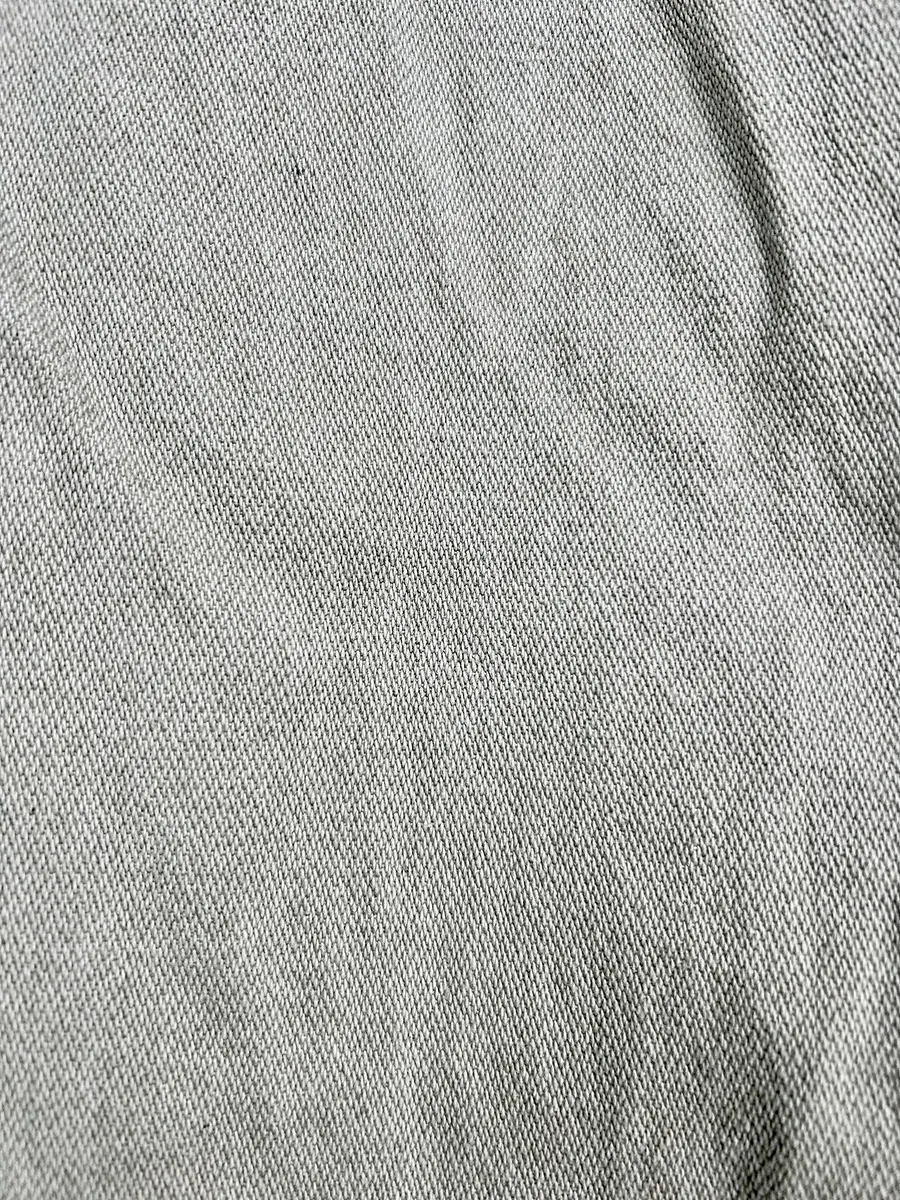
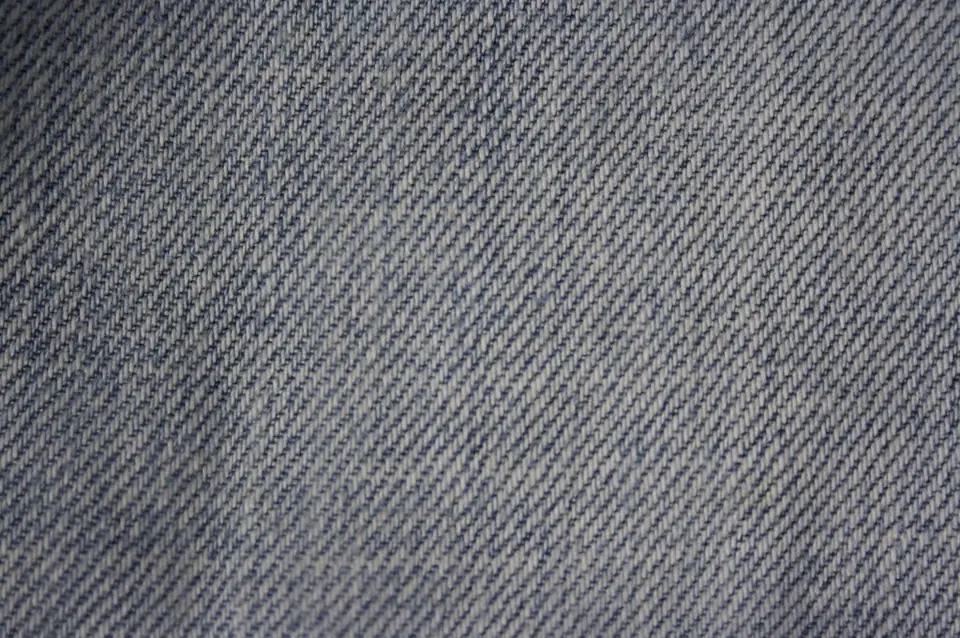
Twill is a weave with parallel diagonal ribs. Cotton twill is durable, resists soiling and wrinkling, and is cut into chinos, work trousers, uniforms, jackets and shirting for export and home brands. The diagonal can run right (Z) or left (S), and more ends or picks per inch make it more prominent.
Local mills make about 40 percent of the fabric used in Bangladesh's woven garments, so much woven fabric is imported, and a cotton twill supplier in Bangladesh may quote either. Roptan sources both from verified sellers, writes construction, finish and limits into the order, and checks the first lot.
What to tell a cotton twill supplier in Bangladesh
- Weave
- Write the fraction: 2/1 repeats over three threads, 3/1 and 2/2 over four, matching the tariff's 3- or 4-thread twill. Say right-hand or left-hand if it matters.
- Construction
- Yarn counts and ends and picks per inch, warp first, for example 80 x 76, and whether grey or finished: the count can rise after dyeing and finishing as the cloth shrinks.
- Weight
- GSM or oz per square yard, with a tolerance. One trade guide classes 7 to 9 oz (237 to 305 GSM) as medium bottom-weight and 10 to 12 oz (339 to 407 GSM) as heavy.
- Skew and bow
- Skew is weft not at 90 degrees to the warp; bow is weft bending in the middle while the edges stay straight. Set a limit for each, plus a cuttable width.
- Dye class
- Reactive dyes are the main method for cotton, vat dyes give high colour fastness, which suits workwear washed hard, and polyester in a blend needs disperse dyes. Ask which the mill uses.
Tests and certificates for cotton twill
- ISO 7211-2:2024, ASTM D3775 and ISO 3801
- Thread count and mass per unit area of woven fabric, to check ends, picks and weight against the order. The 1984 edition of ISO 7211-2 is withdrawn.
- EN ISO 13937-2 and EN ISO 13936-2
- Trouser tear, and seam slippage under a fixed load. Set minimums in newtons, warp and weft, for the blend and weight you order.
- EN ISO 12947-2
- Martindale abrasion, read as rubs to specimen breakdown. Name a minimum cycle count for uniforms and work trousers.
- ISO 1833-11
- Measures the cotton share of a cotton-polyester blend with sulphuric acid, so a 65/35 claim can be checked by a lab.
Lead times and delivery
Twill made to order follows the mill's weaving and dyeing schedule, so Roptan quotes dates per order. A running construction in a stock shade is quicker; a new construction, yarn-dyed cloth, extra finishes and imported cloth take longer. Ask whether the minimum is per construction, colour or dye lot. Roptan confirms dates and the minimum in the quote.
We deliver twill rolls to cutting rooms anywhere in Bangladesh, numbered by shade band. Ask for poly wrap and covered trucks in the monsoon: mould can grow on clothing at about 62 to 93% relative humidity and 25 to 31 °C. Exporters usually buy against a back-to-back letter of credit; local buyers get a VAT invoice (Mushak 6.3).
Buying cotton twill for export
For garment makers abroad, Roptan quotes FOB Chattogram (Chittagong), rolls packed by shade band. The customs heading follows fibre and weight: twill of 85% cotton or more is 5208 up to 200 g/m2 and 5209 above; blends that are mainly cotton sit in 5210 or 5211, and those half or more polyester in 5513 or 5514. Your broker confirms the line.
Questions buyers ask
What is the difference between drill and chino twill?
Both are cotton twills. Drill is the stout kind with a strong diagonal, common in heavier weights for workwear and uniforms. Chino cloth was originally pure cotton, is now also blended, and is made into chinos. Order by construction, weight and finish, which neither name states.
Should uniform twill be all cotton or poly-cotton?
A 65/35 cotton-polyester blend is a common choice for work garments, and poly-cotton garments usually cost less than all-cotton ones. A blend takes two dye classes, reactive for cotton and disperse for polyester, so approve the lab dip on the blend itself. All-cotton twill can be vat dyed for high fastness.
Why do my twill trousers twist after washing?
Twill can twist in the wash, seen as leg twist, and woven cloth can also arrive off-grain, skewed or bowed. Set limits for skew and bow, and test spirality after laundering to ISO 16322-2, with shrinkage to EN ISO 5077 on a named EN ISO 6330 wash.
Can you supply pre-shrunk cotton twill?
Yes. Ask for compressive shrinking, which stretches, shrinks and fixes the cloth in length and width before cutting. Still set a shrinkage limit after a named wash, because the finish reduces shrinkage rather than removing it, and test the bulk too.
How soon will I hear back about fabric?
Within 48 hours of a complete requirement, with a price and a delivery date. A requirement is complete when it has the quantity, where it is needed and by when.
Who do I deal with?
With Roptan, when Roptan manages the order: we buy from the verified seller and deliver to you. With the supplier directly, when you post on the requirement board and choose a quote yourself.