Buying mill scale and slag in Bangladesh
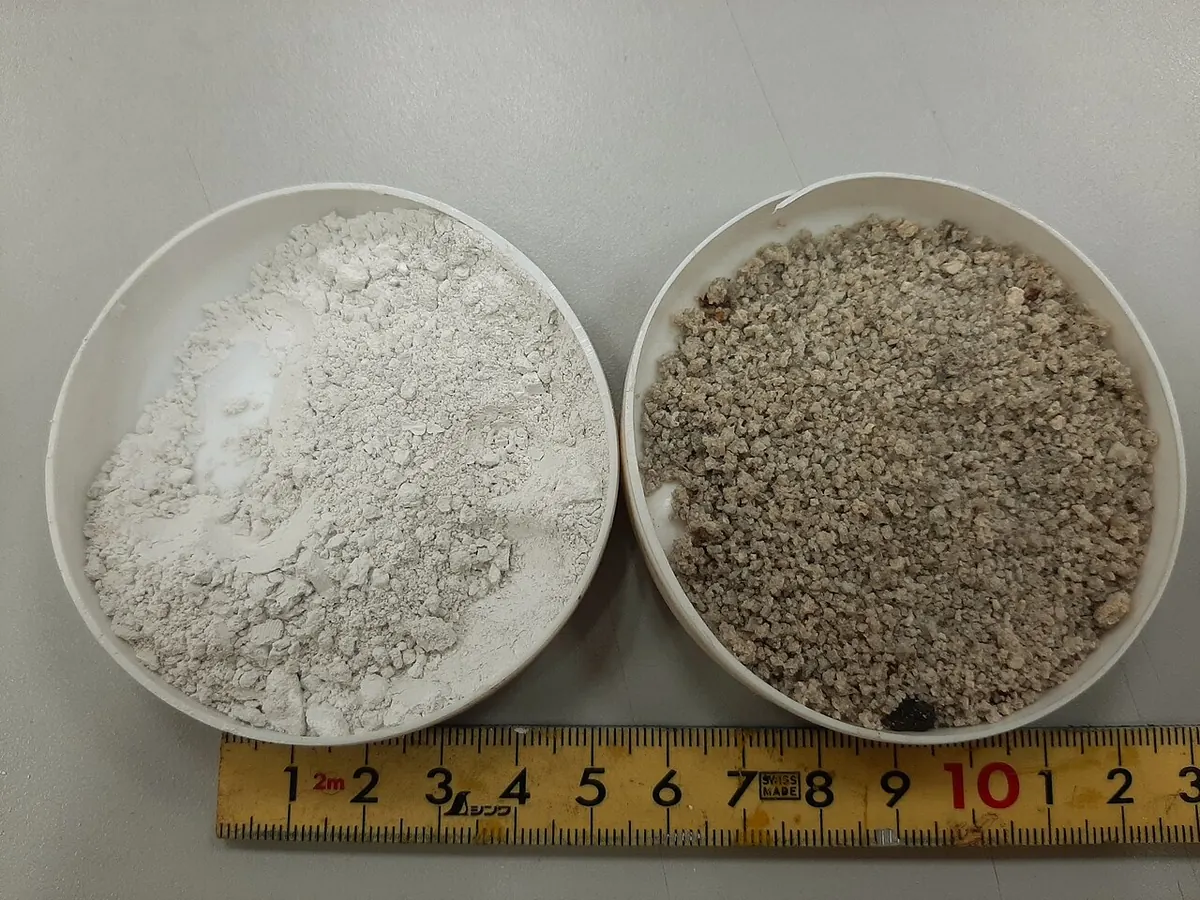
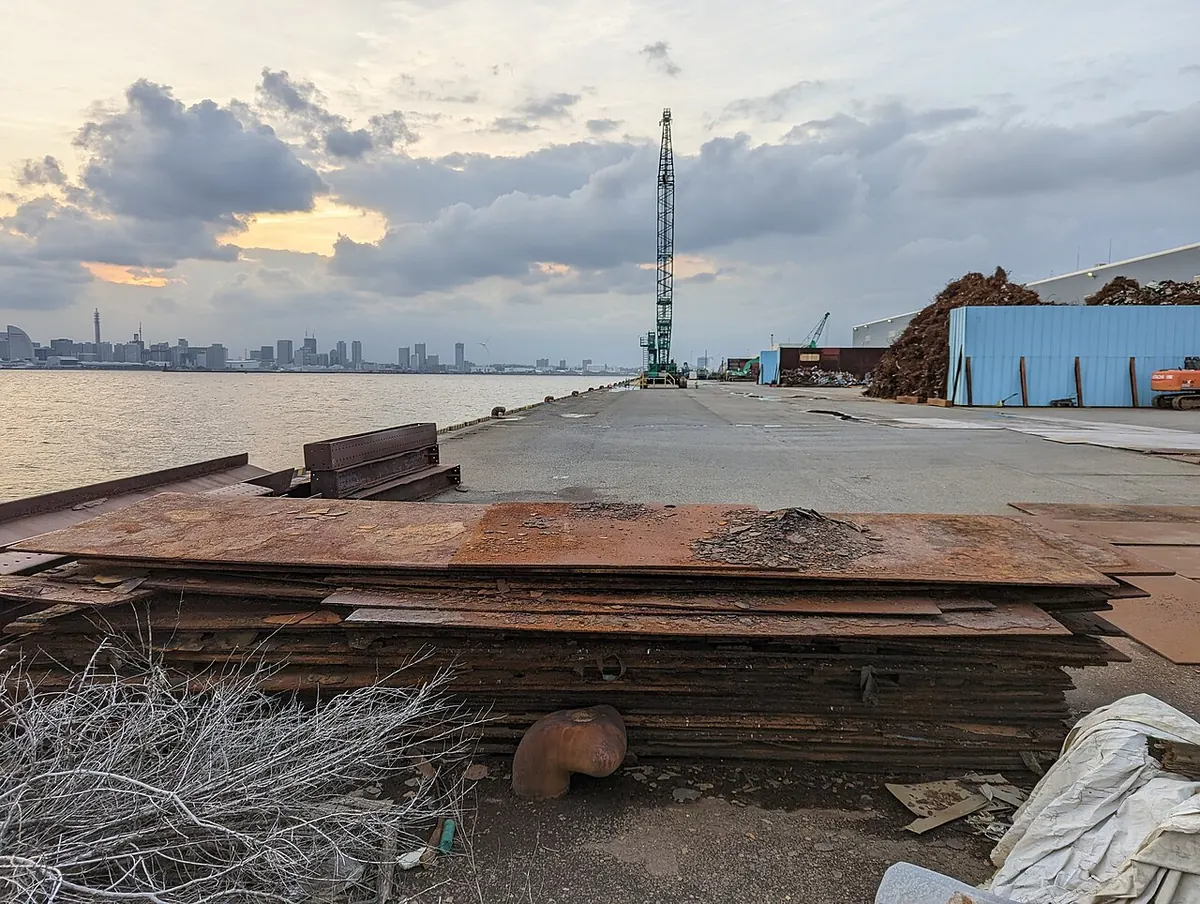
Mill scale is the flaky iron oxide skin that comes off hot rolled steel, a mix of wustite, hematite and magnetite, usually sent to sinter plants as feed. Slag is the glassy or stony co-product of iron, steel and non-ferrous smelting, used in cement making and as aggregate. Both are bulky and low in value, so analysis and freight decide the deal.
The questions are which material it is, how it was cooled and what it contains. As your mill scale and slag exporter in Bangladesh, Roptan sources from verified sellers, has each lot sampled and analysed for your use, confirms its Basel and export status, and ships it. You deal with Roptan only.
What to send a mill scale and slag exporter in Bangladesh
- Material and process
- Name mill scale or the slag type and its process: blast furnace, steelmaking, copper or zinc. The one word slag covers very different products.
- Cooling method
- For slag, state granulated (water-quenched) or air-cooled. Quenching gives the glassy slag used in cement; slow cooling gives denser slag for aggregate.
- Analysis for your use
- For mill scale, the iron content and impurity limits by lab analysis. For cement use, glass content, typically 90 to 100 percent in suitable slag, and the fineness after grinding.
- Volume stability
- For aggregate, ask for a volume expansion check, since free lime and magnesia in air-cooled slag can hydrate and swell after placing.
- Moisture and size
- Give a moisture limit and the size range you accept, and say who samples the lot and where.
Basel entries, Bangladesh rules and HS lines
- Basel entries B1200, B1210 and B1230
- Granulated slag, iron and steel slag and mill scaling from iron and steel making are on the non-hazardous list, provided the lot is not contaminated with hazardous material.
- Basel entries B1100 and B1220
- Copper slag qualifies only without arsenic, lead or cadmium at hazardous levels; zinc slag only when chemically stabilised, high in iron and processed for construction use.
- The 2011 Rules
- Bangladesh's Hazardous Waste and Ship-breaking Waste Management Rules, 2011 exclude slag from pyrometallurgical operations from the hazardous waste category.
- HS 2618 and 2619
- Granulated slag has its own line, 2618. Mill scale has none: it sits in 2619 with other slag, dross and scalings from iron and steel making.
Lead times and delivery
No reliable typical lead time exists for mill scale or slag. Dates depend on whether a seller holds the material in your type, how long sampling and lab analysis take, any Basel check for non-ferrous slag, and shipping space at Chattogram. Roptan confirms the loading date and any minimum tonnage in the quote.
Buyers inside Bangladesh can order through Roptan too. We deliver by truck to your plant or site, weighed at loading and on arrival, with the lab analysis of the lot, photos of the stock, weighbridge slips and a VAT invoice (Mushak 6.3).
Buying mill scale and slag for export
For export we quote FOB Chattogram, or CFR on request, on the right HS line, 2618 or 2619. Papers usually include the commercial invoice, a weight list, the bill of lading, a certificate of origin and the lab analysis, with an assay showing the Basel conditions are met for any non-ferrous slag. Tell us your port rules for slag.
Questions buyers ask
Can mill scale and slag be exported from Bangladesh?
Yes, for iron and steel material. Neither is on the prohibited or conditional list of the Export Policy 2024-27, Basel lists ferrous slag and mill scaling as non-hazardous, and the 2011 Rules exclude this slag from hazardous waste. Rules can change by gazette notice, so we check each time.
Is copper or zinc slag treated the same way?
No. Copper slag is non-hazardous under Basel only if arsenic, lead and cadmium are below hazardous levels; zinc slag only when chemically stabilised and processed for construction. Without an assay that shows this, the lot may need consent before it moves, so we check first.
What is the difference between granulated and air-cooled slag?
The cooling. Granulated slag is quenched in water, becomes glassy and, once ground to cement fineness, acts as a binder. Air-cooled slag cools slowly, turns more crystalline and denser, and suits aggregate. Specify the one your use needs on the enquiry.
Where does mill scale go after export?
Usually to a sinter plant, where its iron oxides return to ironmaking. That is why buyers pay on iron content and set impurity limits. Ask for the lab analysis of your own lot, sampled at loading, rather than a typical figure.
How soon will I hear back about metal scrap?
Within 48 hours of a complete requirement, with a price and a delivery date. A requirement is complete when it has the quantity, where it is needed and by when.
Who do I deal with?
With Roptan, when Roptan manages the order: we buy from the verified seller and deliver to you. With the supplier directly, when you post on the requirement board and choose a quote yourself.