Buying metal-bearing ash in Bangladesh
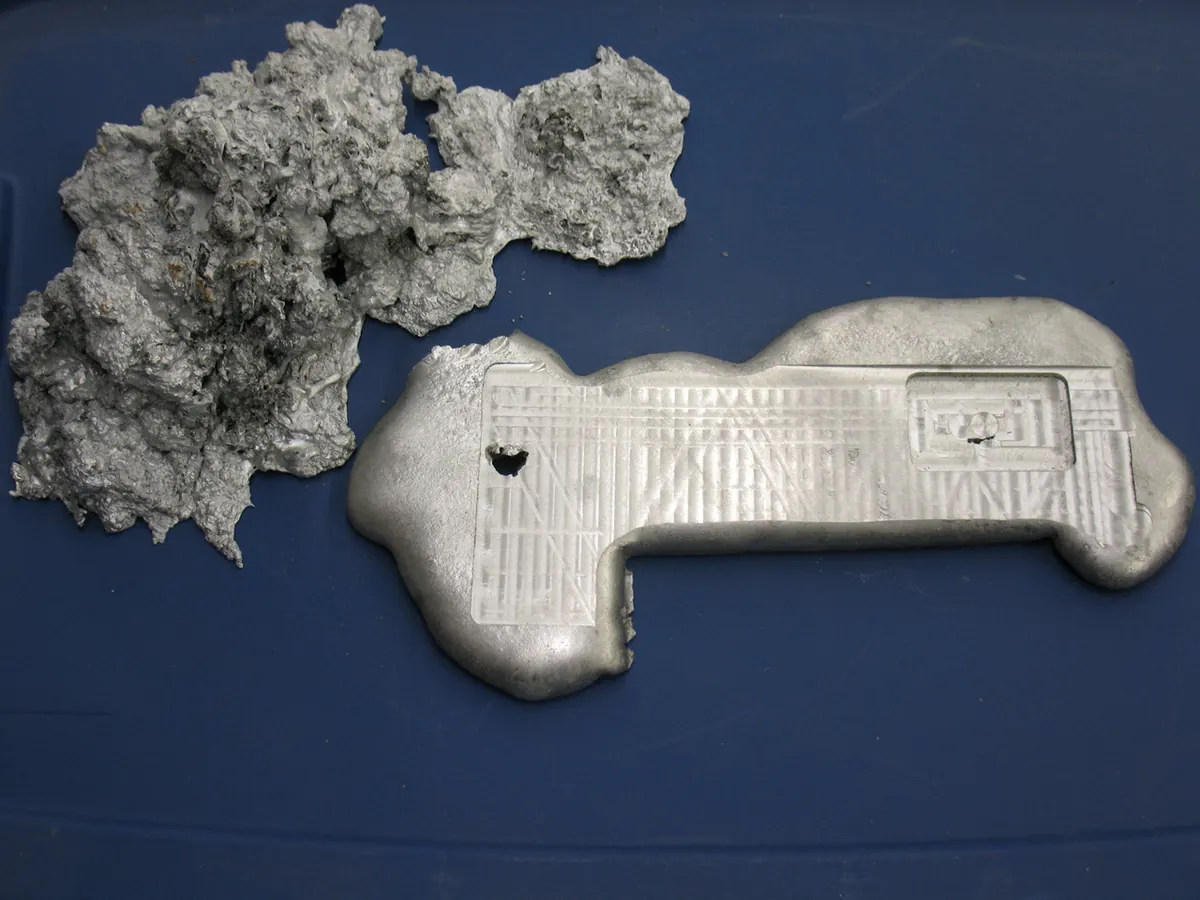
Metal-bearing ash is the zinc ash, dross and skimmings left by galvanising, die casting and metal remelting, sold on metal content for recovery. Some of it is hazardous waste under Bangladesh's Hazardous Waste and Ship-breaking Waste Management Rules, 2011, and a hazardous lot needs Department of Environment clearance and the importing State's written consent before it moves.
So the first question is status, not price. As a metal-bearing ash exporter in Bangladesh, Roptan never promises that a lot can be exported: we source from verified sellers, have a sample assayed, check the classification with the Department of Environment and your import papers, and quote only once the route is clear.
What to tell a metal-bearing ash exporter in Bangladesh
- Material and source process
- Name the residue and its process: galvanising, die casting or aluminium remelting. The process tells the Department of Environment and the lab what to test for.
- Metal content by assay
- State the minimum zinc or aluminium and who assays it. US trade statistics report metal content as the assay quantity without deductions.
- Lead and cadmium
- Set limits and ask for them in the assay. Enough lead or cadmium can make a zinc residue hazardous under Basel and change the whole route.
- Form and moisture
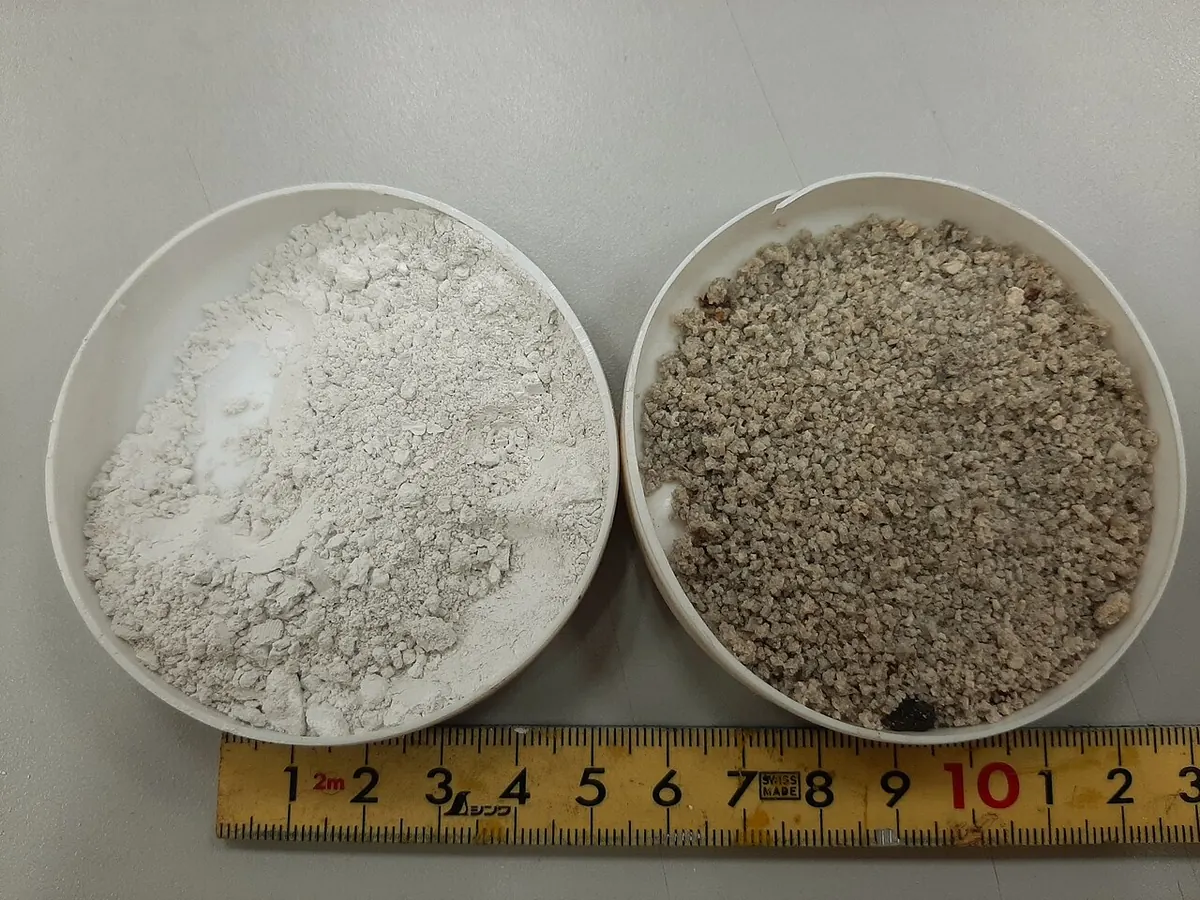
- Say dispersible ash or lumpy dross, and require it dry, in sealed bags or lined containers. Zinc ash and aluminium by-products give off flammable gas when wet.
- Your import papers
- Tell us your country's rule for these residues: an import permit, a Basel consent, or a statement that the lot is non-hazardous.
Classification, consent and shipping rules
- The 2011 Rules
- Bangladesh's hazardous waste rules require Department of Environment clearance before a hazardous substance is shipped, and list several zinc, lead and aluminium residues as hazardous wastes.
- Basel Convention
- A hazardous waste may not move until the importing State consents in writing, and the exporter must take back a movement that fails. Entries B1080 and B1100 list some zinc and aluminium residues as non-hazardous.
- UN 1435 and UN 3170
- Zinc ashes and aluminium smelting by-products are class 4.3 dangerous goods, which emit flammable gas when wet. They are declared to the line and packed dry.
- Export Policy 2024-27
- The policy does not list metal-bearing ash as prohibited or conditional, but that does not lift the hazardous waste rules. Roptan also checks gazette notices at quote time.
Lead times and delivery
We give no lead time, and none for clearance or consent either. The 2011 Rules want the clearance application filed at least 21 days before loading, and give the Department of Environment 21 days to issue the clearance or state why not. After that come the assay, your country's written consent where it is needed, and dangerous goods space on a vessel. Roptan confirms the dates and any minimum in the quote.
Buyers inside Bangladesh can order through Roptan where both sides hold what the 2011 Rules require for that lot. We deliver dry, in sealed bags, weighed at loading and on arrival, with the assay report, weighbridge slips and a VAT invoice (Mushak 6.3).
Buying metal-bearing ash for export
Only when the route is clear: the Department of Environment has classed the lot as non-hazardous, or has cleared it and your country has consented in writing. Then we quote FOB Chattogram under HS 2620. Papers usually include the invoice, weight list, bill of lading, certificate of origin, assay, dangerous goods declaration, and clearance and consent papers.
Questions buyers ask
Can zinc ash be exported from Bangladesh?
Sometimes, and only after the lot is classified. The Export Policy does not ban zinc ash, but the 2011 Rules list zinc ash in dispersible form among hazardous wastes. Each lot's status is settled with the Department of Environment; a hazardous lot needs its clearance and the importing State's written consent first.
Is zinc ash always hazardous waste?
Not always. Basel lists zinc ash as non-hazardous unless it holds hazardous constituents, such as lead and cadmium, at levels that show a hazard. Bangladesh's own rules also apply, so the Department of Environment's clearance decision is taken lot by lot, on the assay and the source process.
What happens if a hazardous lot ships without consent?
It can be sent back at the exporter's cost. The 2011 Rules treat a consignment as illegal traffic when permission is missing or the papers do not match the goods, and Basel makes the exporter take back a failed movement. So we quote only with consent in hand.
Why must ash and dross be kept dry?
Because zinc ashes and aluminium by-products are class 4.3 dangerous goods: wet, they give off flammable gas. Moisture also adds weight the buyer does not want to pay for. Lots go in sealed bags or lined containers, under cover from the yard to the vessel.
How soon will I hear back about metal scrap?
Within 48 hours of a complete requirement, with a price and a delivery date. A requirement is complete when it has the quantity, where it is needed and by when.
Who do I deal with?
With Roptan, when Roptan manages the order: we buy from the verified seller and deliver to you. With the supplier directly, when you post on the requirement board and choose a quote yourself.