Managed sourcing from Bangladesh, for export and for buyers at home
Get it sourced

Water and wastewater · ETP plant

Zero liquid discharge supplier in Bangladesh

Roptan acts as your zero liquid discharge supplier in Bangladesh. Send your ETP outlet analysis, flow and reuse target: we source a recycling or full ZLD plant from verified sellers, check the water balance and brine route, and deliver it.

  • Verified sellers
  • Checked before it ships
  • Delivered by Roptan

Get zero liquid discharge sourced

Prefer to deal with suppliers yourself? Post it on the requirement board

Buying zero liquid discharge in Bangladesh

Zero liquid discharge (ZLD) means no treated effluent leaves the site: the water is recovered for reuse and the dissolved salts end up as solids. In Bangladesh it interests dyeing and washing units that rely on groundwater, sit where discharge is difficult, or sell to brands that ask about water. A ZLD plant builds on a working ETP; it does not replace one.

A zero liquid discharge supplier in Bangladesh should show where every cubic metre and every kilogram of salt goes. Roptan sends one brief to verified sellers, asks each for a water and salt balance, the membrane cleaning plan and the brine route, compares the answers and arranges installation through the seller you choose.
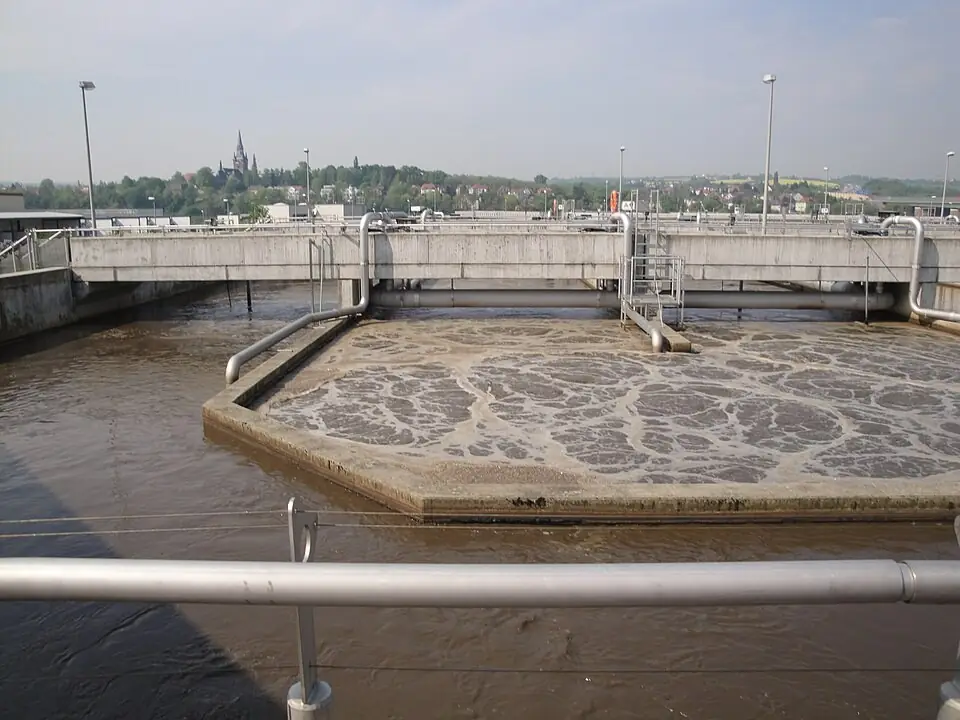
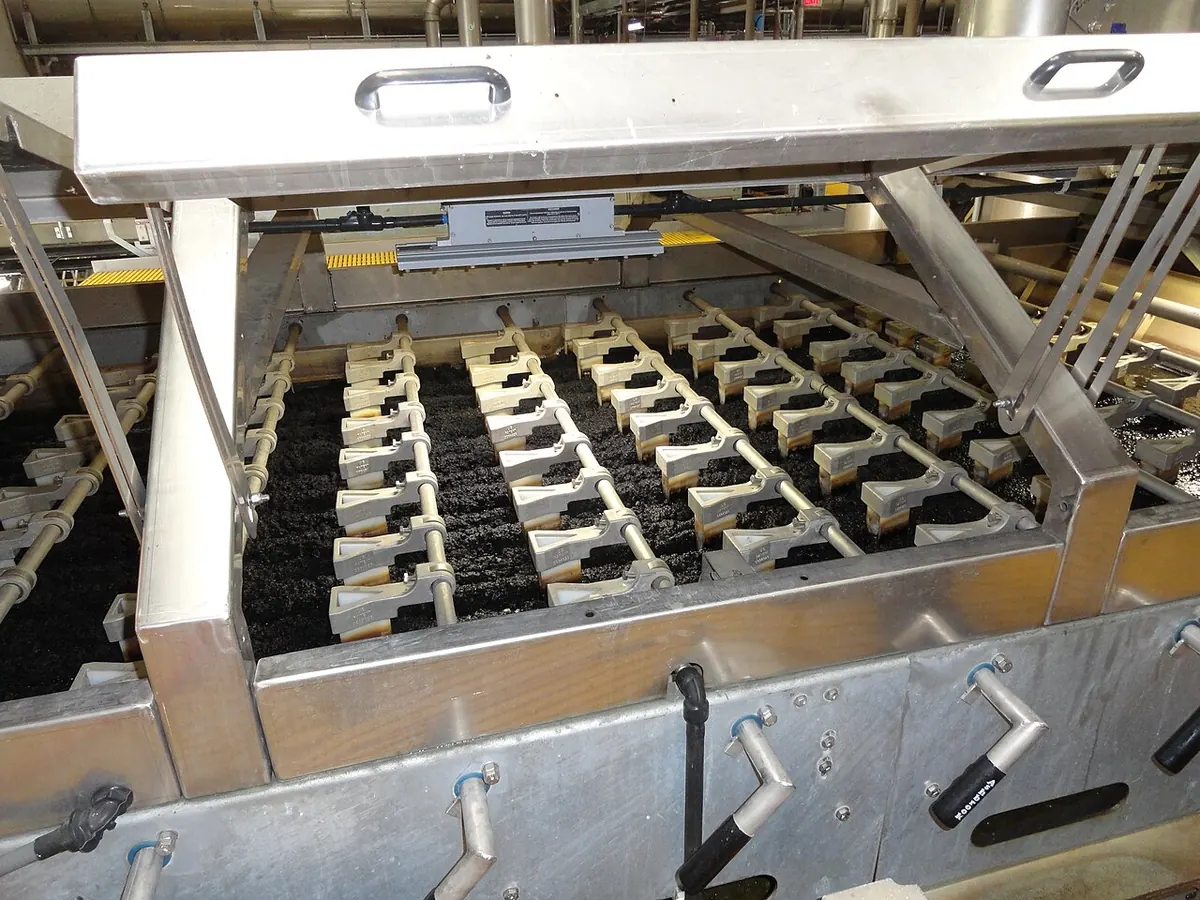
Kinds of zero liquid discharge plant

Full thermal ZLD

ETP, ultrafiltration and reverse osmosis, then multiple-effect evaporators or mechanical vapour recompression on the brine and a crystalliser that turns it into solids. Choose it when nothing at all may leave the site.

Water recycling plant

Ultrafiltration and two-stage RO return most of the water, the reject is treated, and a share is still discharged. Choose it when you want water back but keep a discharge route. Check which one a quote describes.

Membrane brine concentration

High-pressure RO and further membranes shrink the brine, which may be reused in dyeing, so evaporation is smaller or avoided. Bangladesh trials are working towards it; ask for a running reference.

MBR-fed train

A membrane bioreactor replaces the clarifier ahead of RO and gives particle-free feed, at the cost of membrane fouling control. Choose it when a new biological stage is built with the ZLD.

How to specify a zero liquid discharge plant

Feed and reuse quality
Give the TDS, COD and colour of your ETP outlet, and the TDS your dyehouse will accept in reuse water. Biology and chemistry do not remove salt; only membranes and evaporation do.
Recovery and brine volume
Ask for these two numbers first. Large industrial RO systems typically recover 75 to 80 percent of the feed, up to about 90 percent; the rest is brine carrying the salt.
Pretreatment and cleaning
Bag and cartridge filters and ultrafiltration protect the RO. The quote should include cleaning chemical dosing for the ultrafiltration, bisulphite and antiscalant dosing, and a clean-in-place station for the RO.
Brine route
Evaporation is the conventional answer and the expensive one. Ask each seller how the brine leaves site: evaporator, further membranes, reuse in dyeing or oxidation.
Effluent type
On one project's experience, sweater washing is often easy to take to ZLD, denim washing harder, and knit and woven dyeing, with high TDS, COD and colour, hardest.
Salt and sludge disposal
Solid salts and sludge must be classified as hazardous or not under local law and taken away by licensed haulers. Plan the store and the route before ordering.

Rules, guidelines and tests for ZLD

ECR 2023 and clearance
The Environment Conservation Rules 2023 set the outlet limits, including a colour limit. A ZLD pledge for clearance renewal is reported but its standing is unsettled, so treat it as a planned direction.
ZDHC Wastewater Guidelines
A brand programme, not law. Version 2.0 set out sampling and testing for zero liquid discharge systems and added sludge disposal pathways; Version 2.2 is current.
Three-point lab tests
TDS and COD of RO feed, permeate and reject, sampled during normal production and tested at an ISO/IEC 17025 accredited lab.

What moves the price of zero liquid discharge

  • Feed TDS, COD and colour, which set membrane area and cleaning chemical use.
  • The recovery targeted, and how much brine is left to handle.
  • Evaporation and crystallisation against further membranes for the brine.
  • Steam and power per m³ of feed, so ask each seller for both, measured.
  • Imported membranes and spares; BGMEA has asked for duty and VAT relief on ZLD machinery, so check duty with a customs broker.

Lead times and delivery

No dependable lead time exists for a ZLD plant. Imported membranes, evaporators and crystallisers, civil work for tanks and the salt store, any pilot trial on your effluent, and agreement on the brine route move the date. Membrane stages also need tuning on real production before recovery settles. Roptan confirms the dates in the quote.

We deliver membrane skids, dosing and cleaning stations, evaporators and panels to your factory anywhere in Bangladesh, and arrange installation and commissioning through the seller. Handover should include the measured water and salt balance, the membrane cleaning log, the antiscalant dosing chart, lab reports and a VAT invoice (Mushak 6.3).

What we check for this order

  • A balance that closesWe check the seller's flow and salt balance adds up stage by stage, so recovery and brine volume are not just headline figures.
  • Three-point lab resultsWe ask for feed, permeate and reject TDS and COD from an accredited lab, and reuse-water quality your dyehouse accepts.
  • Brine and salt route in writingWe confirm where the brine goes, how the salt is classified and which licensed hauler takes it away.
  • A running referenceWe ask for a working plant on similar effluent, with its membrane cleaning log and antiscalant dosing records open to view.

Questions buyers ask

Is ZLD required for clearance renewal in Bangladesh?

Not clearly. Reports describe a ZLD pledge tied to environmental clearance renewal, and in June 2026 BGMEA asked the Environment Minister to replace it with a phased, performance-based roadmap. He said he would consider the proposals, and the reports record no decision. Check your own clearance conditions and plan reuse in stages.

What is the difference between water recycling and ZLD?

A recycling plant returns most of the water but still discharges a treated share. True ZLD discharges nothing and leaves only solids. Read each quote for the discharge that remains and the salt it produces.

Does working ZLD exist in Bangladesh?

Yes. In 2025 a Bangladeshi apparel maker showed a ZLD system with a six-stage reverse osmosis train to a Bangladesh Bank delegation, and a 2026 pilot at a Dhaka textile mill tested a modular recycling plant. Ask any seller for a running site on effluent like yours.

Why do textile units in Bangladesh look at ZLD?

Water as much as rules. A 2025 trade report says more than half of Bangladesh's textile industries depend on groundwater, and falling water tables in textile zones are a named risk. Recovered water cuts what you pump, worth costing beside the plant's energy use.

How soon will I hear back about ETP plant?

Within 48 hours of a complete requirement, with a price and a delivery date. A requirement is complete when it has the capacity, where it is needed and by when.

Who do I deal with?

With Roptan, when Roptan manages the order: we buy from the verified seller and deliver to you. With the supplier directly, when you post on the requirement board and choose a quote yourself.

Other ETP plant products

Each product type has its own page as it is published; until then its card opens the category form.

All ETP plant