Managed sourcing from Bangladesh, for export and for buyers at home
Get it sourced

Water and wastewater · ETP plant

Chemical ETP supplier in Bangladesh

Roptan is your chemical ETP supplier in Bangladesh for dyeing, washing and printing units. Tell us your flow and lab results: we source a coagulation, flocculation and settling plant from verified sellers, check the jar tests behind it and deliver it.

  • Verified sellers
  • Checked before it ships
  • Delivered by Roptan

Get chemical ETP sourced

Prefer to deal with suppliers yourself? Post it on the requirement board

Buying chemical ETP in Bangladesh

A chemical ETP treats effluent by correcting pH, adding a coagulant and a polymer, and settling out the floc that carries colour and suspended solids. Dyeing and washing units in Bangladesh use it as a stand-alone plant where land is short, ahead of a biological stage, or as a polishing step for colour. Its running cost rests on the chemicals.

A chemical ETP supplier in Bangladesh should set doses from jar tests on your effluent, not from a catalogue. Roptan sends one brief to verified sellers, asks each to state coagulant, polymer and acid use per m³ and sludge per day, compares the answers, and arranges installation through the seller you pick.
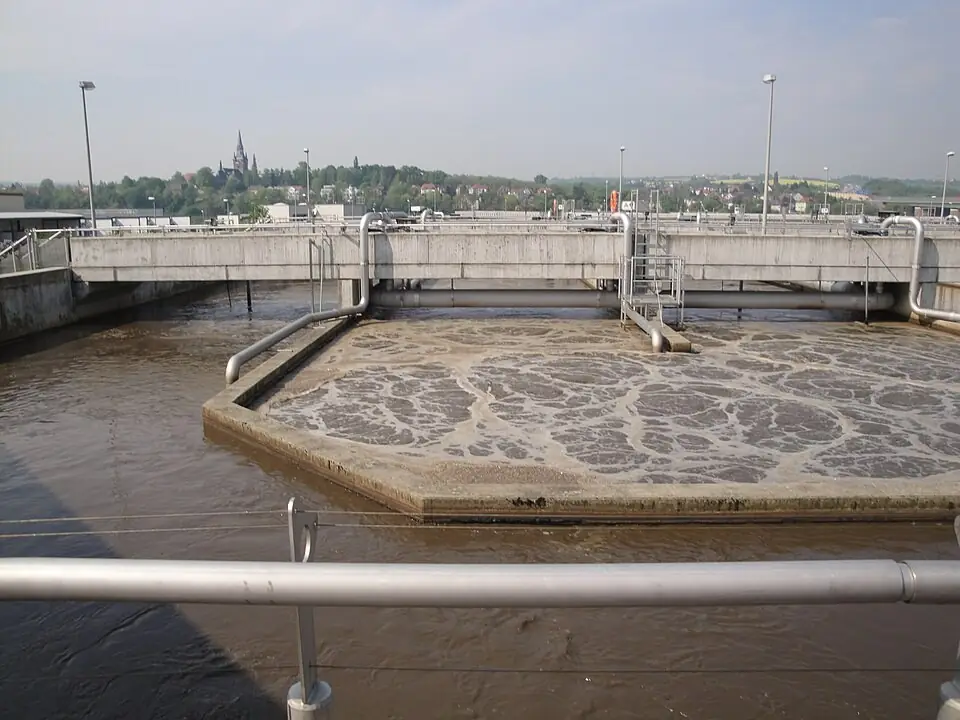
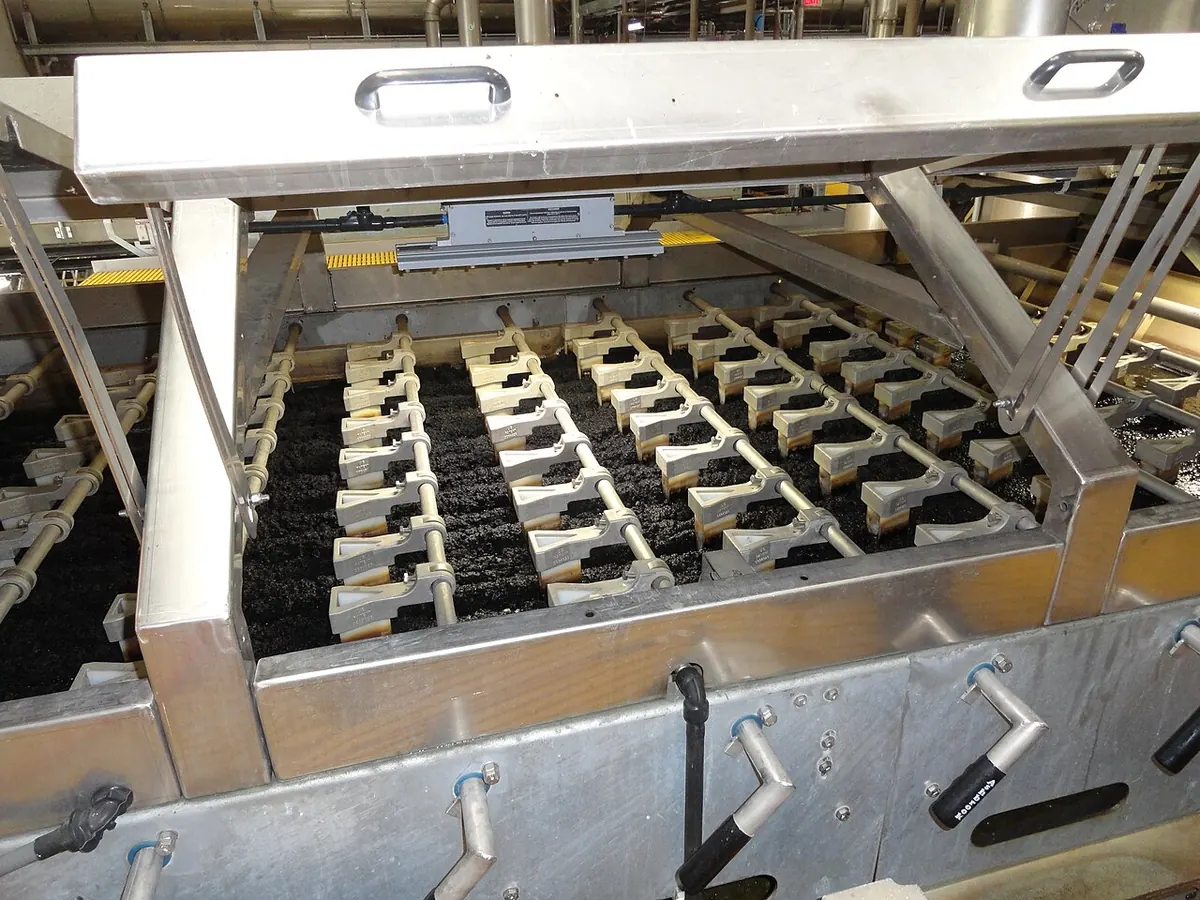
Kinds of chemical ETP

Stand-alone physico-chemical plant

Screening, equalisation, pH control, chemical tanks, mixing, flocculation, settling and dewatering. It needs the least land of the usual layouts, but it usually struggles to bring BOD and COD down to discharge limits and cannot remove dissolved salts.

Chemical stage ahead of biology

The usual layout for dyeing effluent in Bangladesh: the physico-chemical unit comes first and takes out colour and solids, so the biology after it sees a lighter load.

Polishing stage after biology

Chemical flocculation followed by dissolved air flotation, sometimes with a sand filter, placed after the biological stage. Choose it when the outlet passes on COD but colour is still the problem.

Advanced oxidation add-on

Hydroxyl-radical chemistry such as Fenton or ozone, added for colour and organics that bacteria do not break down. Prove it on your effluent first.

How to specify a chemical ETP

Coagulant and polymer
Alum is the common coagulant; ferric sulphate, ferrous sulphate and ferric chloride are the iron alternatives, with a polyelectrolyte as flocculant and lime or caustic soda for pH. Ask the seller to name each one.
PAC as an option
Polyaluminium chloride is pre-neutralised, so it usually shifts treated-water pH less than alum or iron salts and destabilises solids more strongly. Consider it where pH drift or alkalinity use is the problem.
Jar tests
Doses come from jar tests on different combinations of your waste streams, recorded as a dosing protocol and repeated when production changes.
Neutralise first
Bring pH to 6 to 8 before coagulation, because chemical use rises when pH is off neutral. Dyeing effluent is usually alkaline, but some processes give acid effluent, so provide both acid and alkali dosing.
Metering pumps
Coagulant and flocculant go in through variable-speed metering pumps. Hand-set valves and taps are inaccurate.
Settling tank
Keep the inlet velocity low, usually not above about 0.61 m/s, so the floc does not break, mix gently at the flocculation stage, and size the surface area with a margin.

Rules, guidelines and tests for a chemical ETP

ECR 2023 and DoE clearance
The Environment Conservation Rules 2023 set the outlet limits, including a colour limit, and textile dyeing usually falls in the Red category, where an ETP is mandatory before effluent leaves the site.
ZDHC Wastewater Guidelines
A brand and supplier programme, not Bangladeshi law, with three levels: foundational, progressive and aspirational. If a buyer audits you, ask which level the design targets.
Stage samples and test methods
Colour, TSS and COD measured after flocculation as well as at the outlet, with samples taken to ISO 5667-10, colour by ISO 7887 and an ISO/IEC 17025 accredited lab.
Safety data sheets to GHS
One for every coagulant, polymer, acid and alkali on site, plus the spill measures assumed.

What moves the price of a chemical ETP

  • Which coagulant is used and how much polymer goes in per m³ treated.
  • The pH swing to neutralise, which sets acid and alkali use.
  • Sludge volume and the press that handles it.
  • Settling tank area, and whether existing tanks can be reused.
  • Automatic dosing and pH control against manual adjustment.
  • Stages added after it: flotation, filtration or oxidation.

Lead times and delivery

There is no fixed lead time for a chemical ETP. Tank construction, whether existing tanks can be reused, imported pumps and controllers, monsoon excavation and design approval move the date. After start-up, doses are tuned on real production until the dosing chart holds through a change of shade. Roptan confirms the dates in the quote.

We deliver tanks, mixers, metering pumps, the pH controller and settling equipment to your site anywhere in Bangladesh, and arrange installation and commissioning through the seller. Handover should include the jar-test record, a dosing chart for each chemical, safety data sheets, stage test results and a VAT invoice (Mushak 6.3).

What we check for this order

  • Jar test on your effluentWe ask for a jar-test record on your own effluent before the coagulant and dose range are written into the quote.
  • Chemical use per m³ in writingWe have every seller state chemical use per m³ treated and sludge per day, so running cost can be compared, not only price.
  • Acid and alkali handlingWe check both acid and alkali dosing are supplied, and that acid tanks and pipes are plastic or coated, since hydrochloric acid attacks concrete and steel.
  • Stage results at commissioningWe ask for colour, TSS and COD at the settling tank overflow, so the chemical stage is judged on its own results.

Questions buyers ask

Can a chemical ETP meet the discharge limits on its own?

For colour and suspended solids it does much of the work: coagulation can remove much, possibly all, of the colour. It usually struggles to bring BOD and COD down to discharge limits and cannot remove dissolved salts. That is why most dyeing units in Bangladesh follow it with a biological stage.

Alum, iron salts or PAC: which coagulant should we use?

Alum is the most common in Bangladesh and iron salts are the alternative. PAC usually moves pH less and destabilises solids more strongly than alum. The right choice works on your effluent at the lowest cost per m³, shown by jar tests.

Why not dose by the colour of the effluent?

Colour is a poor guide to load. In one Bangladesh project, light-shade effluent at times carried 1.5 to 2 times the BOD and COD of dark shades. Dose from lab results at the equalisation tank outlet.

Should a chemical ETP include chlorination?

Usually not for dyeing effluent. Chlorinating dye residues can form AOX, adsorbable organic halogens, and an older Bangladesh guide advises against chlorine in a dyeing ETP. For extra colour removal, ask about flotation or oxidation instead.

How soon will I hear back about ETP plant?

Within 48 hours of a complete requirement, with a price and a delivery date. A requirement is complete when it has the capacity, where it is needed and by when.

Who do I deal with?

With Roptan, when Roptan manages the order: we buy from the verified seller and deliver to you. With the supplier directly, when you post on the requirement board and choose a quote yourself.

Other ETP plant products

Each product type has its own page as it is published; until then its card opens the category form.

All ETP plant