Buying sludge dewatering in Bangladesh
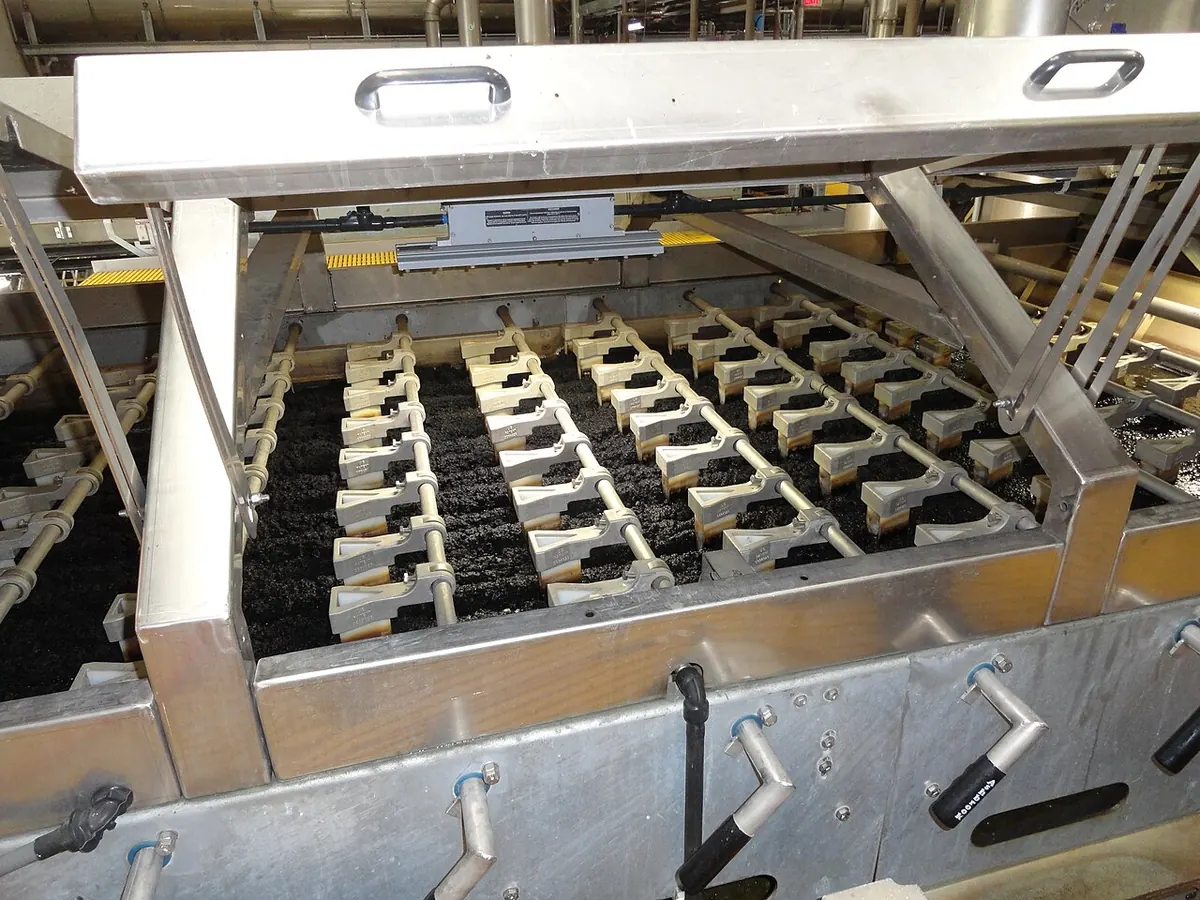
Sludge dewatering turns the wet sludge from an ETP into a cake that can be stored and taken away. Chemical stages leave floc carrying coagulant and dye, biological stages leave surplus biomass, and ZLD plants leave precipitated salts, so each needs a press or centrifuge at the end. Dyeing, washing and printing units in Bangladesh buy one with a new ETP or add one to an existing plant.
A sludge dewatering supplier in Bangladesh should prove the machine on your sludge, not on a brochure figure. Roptan sends your sludge volume and type to verified sellers, asks each for a trial with a stated polymer and a measured cake result, compares the offers and arranges installation through the seller you choose.
How to specify sludge dewatering
- Sludge quantity and type
- State the volume per day and whether it is chemical, biological or mixed sludge. A package sized only on biological sludge is usually too small once a chemical stage is added.
- Conditioning
- Polymer is added to release more water before the cake forms. Specify the press, the polymer make-up and dosing unit, the feed pump and the holding tank as one package.
- Cake result
- Ask for cake dry solids on a stated basis, measured on your sludge with the polymer named. Published sewage sludge cakes run roughly 14 to 25 percent dry solids; textile sludge differs.
- Filtrate
- Ask how clear the filtrate will be and where it returns in the ETP, and that the plant can take it.
- Cake handling and store
- Include the conveyor or bunker that takes the cake from the machine, and a covered store on a hard base.
- Sludge analysis
- Textile wastewater can carry chromium, sulphide, phenols and oil, and industrial sludge can hold cadmium, lead or mercury. Base handling on an analysis of your sludge.
Rules and references for ETP sludge
- DoE clearance conditions
- Handle and dispose of sludge as the Department of Environment and your Environmental Clearance Certificate require; your clearance conditions, under the Environment Conservation Rules 2023, are the place to start.
- ZDHC Wastewater Guidelines
- A brand programme, not law: sludge is classified as hazardous or not under local law and handed to licensed haulers. Version 2.0 added sludge disposal pathways.
- EN 12255-8:2024
- The European design standard for sludge treatment and storage. Not required in Bangladesh, but you can ask which clauses the design follows.
Lead times and delivery
No fixed lead time applies. Machine size, whether the press or centrifuge is imported, a trial on your sludge before ordering, and civil work for the feed tank and covered store move the date. A trial adds time at the start but avoids buying the wrong machine. Roptan confirms the dates in the quote.
We deliver the press or centrifuge, polymer unit, feed pump and panel to your ETP anywhere in Bangladesh and arrange installation and commissioning through the seller. Handover should include the trial and commissioning cake results, the polymer dosing setting, spare cloths, operating instructions and a VAT invoice (Mushak 6.3).
Questions buyers ask
Filter press or centrifuge for ETP sludge?
A filter press works in batches and must stop to discharge, so it suits sites where an operator runs cycles. A decanter centrifuge runs continuously. Which gives the better cake, and how much polymer each needs, depends on your sludge, so ask both sellers for a trial on a sample.
Is ETP sludge hazardous waste?
It may be. Textile effluent can carry chromium, sulphide and phenols, and industrial sludge can hold heavy metals. Have the sludge analysed, classify it under local law and your clearance conditions, store the cake covered on a hard base, and use a licensed hauler.
Why does dewatering need polymer?
Polymer conditions the sludge so that more water separates before the cake forms. Without it most machines give wetter cake. The right polymer and dose come from a trial, so make the polymer unit part of the package, not an afterthought.
We are adding a chemical stage. Does the press change?
Usually, yes. Chemical stages produce coagulant floc as well as the biological sludge you have now, so the daily volume and the way it dewaters both change. Have the seller check the existing press against the new sludge before the chemical stage is ordered.
Does a ZLD plant need dewatering too?
Yes. ZLD plants leave precipitated salts, which are removed and dewatered with a filter press or a centrifuge, and ZDHC treats ZLD residues as sludge. Size the machine and the store for both streams.
How soon will I hear back about ETP plant?
Within 48 hours of a complete requirement, with a price and a delivery date. A requirement is complete when it has the capacity, where it is needed and by when.
Who do I deal with?
With Roptan, when Roptan manages the order: we buy from the verified seller and deliver to you. With the supplier directly, when you post on the requirement board and choose a quote yourself.