Buying wood charcoal in Bangladesh
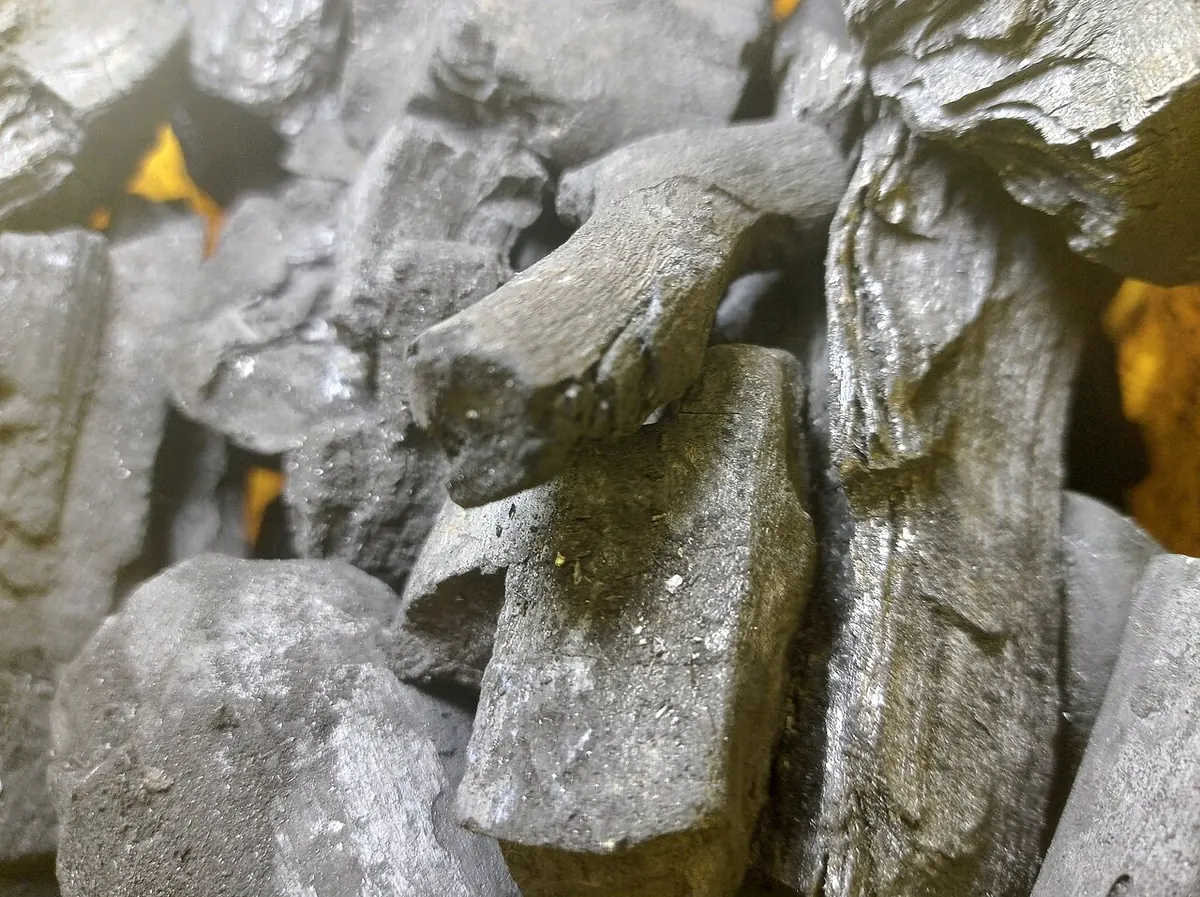
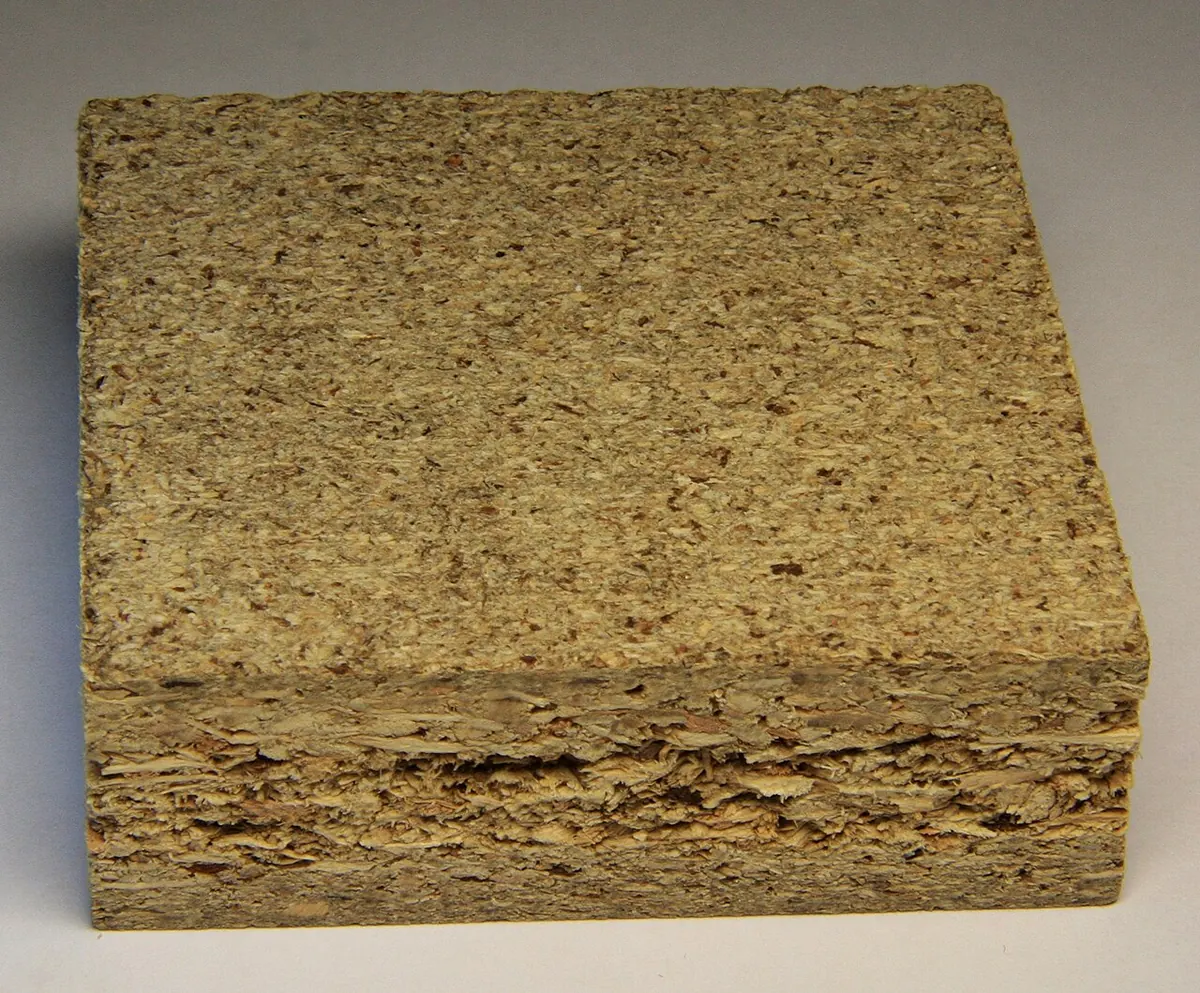
Wood charcoal is wood carbonised in a kiln. Lump charcoal, made directly from hardwood, usually leaves far less ash than briquettes, which is why grills and restaurants choose it; shaped kinds are pressed from ground wood or charcoal. Buyers judge it on fixed carbon, ash, moisture, size and fines, and EU importers will also want proof of where the wood grew.
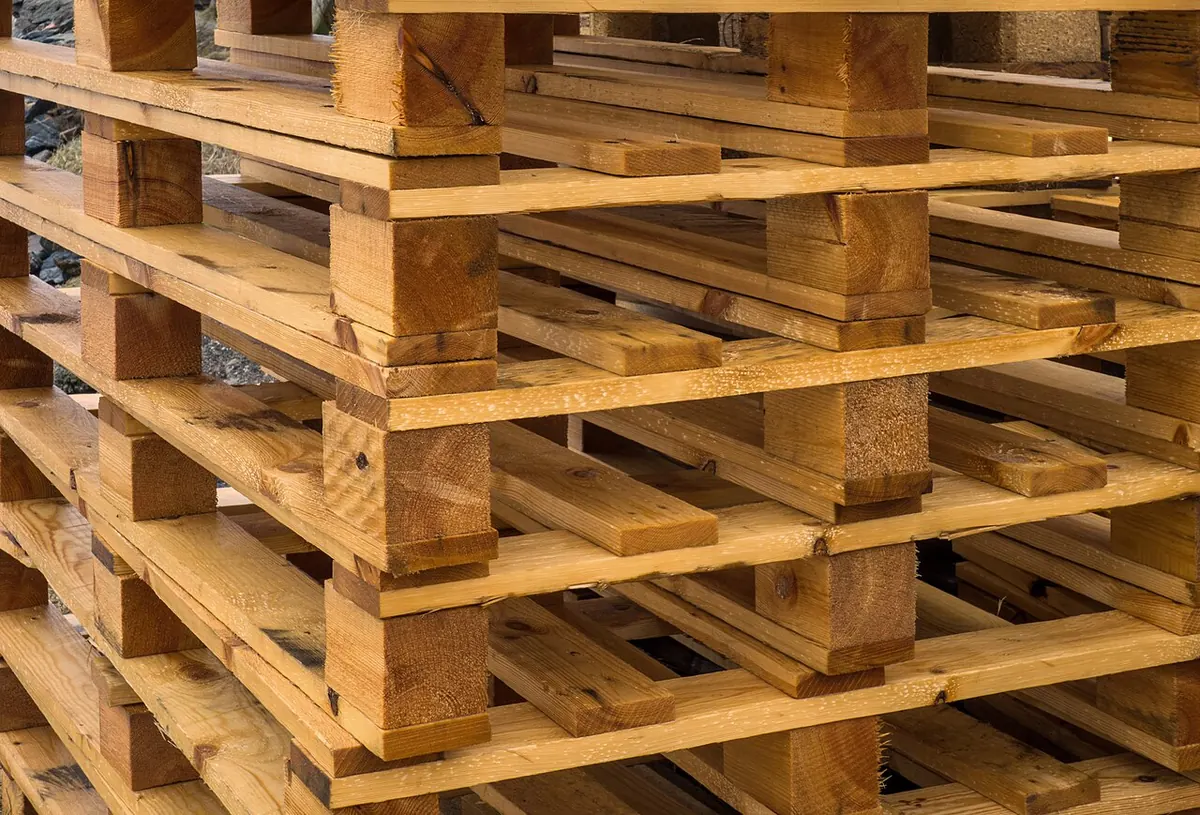
Forest law shapes this trade, so a wood charcoal exporter in Bangladesh has to show where its wood came from. Roptan offers only charcoal made from lawful, documented wood, such as plantation timber, tree trimmings and sawmill offcuts, with papers proving the origin. We match your specification to verified sellers, have your lot tested and check curing and bagging.
How to specify wood charcoal
- Wood source
- Where the wood grew and the papers that prove it: plantation timber, trimmings or sawmill offcuts, never wood from a reserved forest without written permission.
- Size and fines
- Lump size range in mm and the most fines you accept. Small wood and bark give an excess of fines.
- Analysis limits
- Maximum moisture, volatile matter and ash, and a minimum fixed carbon taken by difference, on a stated basis, with ASTM D1762 named as the method.
- Hardness against carbon
- FAO notes that charcoal grows more friable as carbonisation temperature rises, and puts the balance with high fixed carbon at 450 to 500 °C. Asking only for maximum carbon can buy you fines.
- Tonnes per container
- Lump charcoal is light: FAO gives 130 to 160 kg/m³ for conifer charcoal, and hardwood differs. It usually fills a container by volume first, so agree the tonnage.
- Retail packing
- Bag size, net weight and labels for retail, and EN 1860-2:2023 for barbecue charcoal sold in Europe.
Law, standards and tests for wood charcoal
- Forest Act 1927
- Counts charcoal as forest produce, whether or not it comes from a forest. Making charcoal in a reserved forest is an offence unless done with a Forest Officer's written permission or under the Government's rules.
- ASTM D1762
- Moisture, volatile matter and ash in charcoal made from wood, lumps and briquettes. Fixed carbon is outside its scope and is worked out by difference.
- EN 1860-2:2023
- Requirements and test methods for barbecue charcoal and briquettes. It replaced the withdrawn 2005 edition, so quote the 2023 edition.
- UN 1361, class 4.2
- Charcoal usually travels at sea as UN 1361. FAO asks fresh charcoal to cure in the open air before transport, since it takes up oxygen, warms and can ignite.
- EU Deforestation Regulation
- Regulation (EU) 2023/1115 lists HS 4402, wood charcoal, in Annex I. EU importers will need due diligence and the location of the plots where the wood was harvested.
Lead times and delivery
No fixed lead time applies. Stock lots ship sooner than lots made to order, and new charcoal must cure in the open air before it is bagged. The lab test, gathering the wood origin papers and the carrier's dangerous goods booking all add time. Roptan confirms the dates and the minimum quantity in the quote.
Inside Bangladesh we deliver to restaurants, hotels and plants, weighed and counted by bag against the order, with the lot's test report, the wood origin papers and a VAT invoice (Mushak 6.3).
Buying wood charcoal for export
We quote FOB Chattogram (Chittagong). Documents usually include the commercial invoice, packing list, bill of lading, certificate of origin, a certificate of analysis stating method and basis, the dangerous goods declaration and the wood origin papers. For EU buyers we ask the seller for the plot location data the Deforestation Regulation calls for, and confirm the shipping line's acceptance before booking.
Questions buyers ask
Can wood charcoal be bought lawfully from Bangladesh?
Yes, when the wood comes from a lawful source and the seller can prove it. The Forest Act 1927 counts charcoal as forest produce, and making it in a reserved forest needs a Forest Officer's written permission. Roptan offers only charcoal from documented wood; for a large programme, take local legal advice too.
Does the EU Deforestation Regulation cover wood charcoal?
Yes, HS 4402 is in Annex I. As the European Commission states now, it applies from 30 December 2026 for large and medium operators and from 30 June 2027 for most micro and small ones. The dates have moved before, so check them again before you contract.
Why does charcoal arrive with so many fines?
Usually because of the wood or the kiln. Small wood and bark give an excess of fines, and charcoal grows more friable at higher carbonisation temperatures. Set a fines limit, ask what wood the kiln was charged with, and check size at bagging.
Should a restaurant buy lump charcoal or briquettes?
Lump charcoal usually leaves far less ash, which is why many grills use it. Briquettes give a uniform shape but may contain binders and additives, so ask for the full list and for ash and moisture limits on the report.
How soon will I hear back about charcoal and wood products?
Within 48 hours of a complete requirement, with a price and a delivery date. A requirement is complete when it has the quantity, where it is needed and by when.
Who do I deal with?
With Roptan, when Roptan manages the order: we buy from the verified seller and deliver to you. With the supplier directly, when you post on the requirement board and choose a quote yourself.