Buying sunglasses in Bangladesh
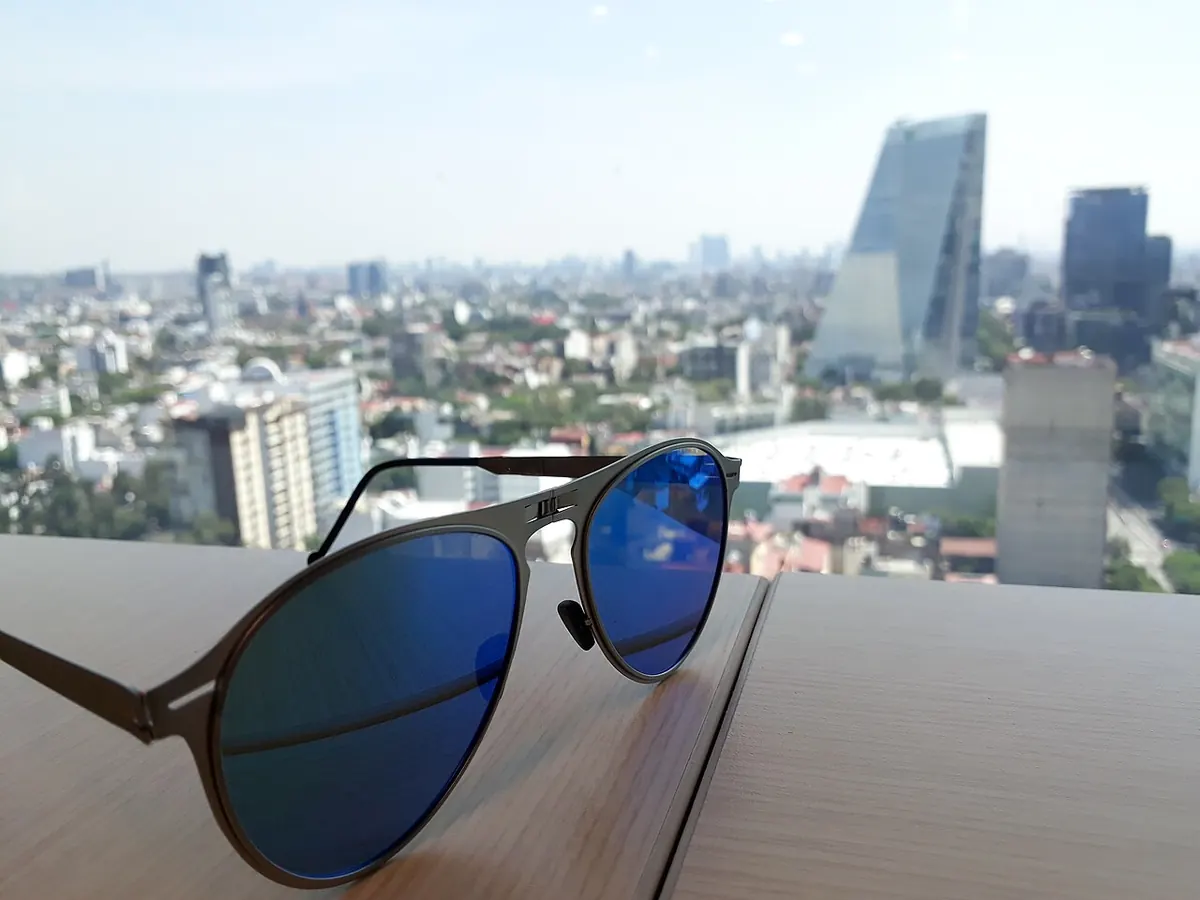
Sunglasses here means plano (non-corrective) sun filters in a frame, with clip-ons in the same family. Brands, retailers and importers abroad buy them under their own label; shops and chains in Bangladesh sell them. A sunglasses manufacturer in Bangladesh has to deliver the tint, UV protection and lens strength that the report and the label promise.
Roptan takes one brief and sources from verified makers. We compare quotes on the same frame, lens, filter and test basis, check that reports cite the current editions and name your exact model, and inspect the packed bulk. You deal with Roptan only.
How to specify sunglasses
- Filter category
- State the category from 0 to 4 for each lens colour. Category 4 is for intense sun and is usually labelled as not for driving or road use.
- UV protection
- Ask for the UV transmittance curve from the lab for each lens. UV400 means blocking up to 400 nm, but it is a trade label, not a test result.
- Lens function
- Plain tint, polarised or photochromic, and the lens material. Each function has its own test, such as polarisation efficiency or haze.
- Frame and nickel
- Frame material, hinges and finish. Metal parts in skin contact need a nickel-release result for the EU.
- Market and labels
- Name the countries. The market decides the standard, the marking and the label text, such as the category number and a no-driving warning.
Standards and rules for sunglasses
- ISO 12312-1:2022 (EN ISO 12312-1:2022+A11:2024)
- Sunglasses and clip-ons for general use, including driving. The 2013 text was withdrawn in 2022, so ask new reports to cite the 2022 edition; an amendment followed in April 2026.
- EU PPE Regulation (EU) 2016/425
- Non-corrective sunglasses are Category I PPE: the manufacturer self-declares with CE marking and an EU declaration of conformity, without a notified body.
- US FDA, 21 CFR 801.410
- Sunglasses sold in the US need impact-resistant lenses, tested by dropping a 5/8-inch steel ball from 50 inches. Non-prescription lenses are sampled from each production batch.
- Other markets
- Labs also test to ANSI Z80.3 for the US and AS/NZS 1067.1 for Australia and New Zealand. Name the market so the right report is ordered.
Lead times and delivery
We give no figure here, because time depends on the order. It grows with a new frame shape, with polarised or photochromic lenses, with many lens colours to test and with reports for more than one market. Roptan confirms the sample and bulk dates, and the minimum per model and colour, in the quote.
Inside Bangladesh we deliver to retailers, chains and distributors, packed by model and lens colour with cases and labels as ordered. Each delivery carries the packing list, the lab reports and a VAT invoice (Mushak 6.3).
Buying sunglasses for export
For buyers abroad we ship by air from Hazrat Shahjalal International Airport, Dhaka, or FOB Chattogram for larger loads. Sunglasses usually go under HS 9004 10. Papers include the certificate of origin, a REX statement for EU GSP or UK DCTS and the lab reports; for the EU, the brand also needs the CE declaration. For the US, keep the batch impact-test records, which the FDA rule asks to be held for three years.
Questions buyers ask
Is a UV400 sticker enough?
No. UV400 is a trade label meaning blocking up to 400 nm, and it is a good aim, but the proof is the lab's transmittance curve for that lens. Ask for the curve per lens colour, on a report to ISO 12312-1:2022, and check that the sticker matches it.
Which filter category suits driving?
Category 2 is usually the daytime driving choice. Category 4 is usually labelled as not for driving or road use. Ordinary photochromic lenses react slowly behind a windscreen, so they are usually unsuitable for driving too. Put the category and any warning on the label.
Do sunglasses need a notified body for the EU?
Not plano sunglasses for general use. They are Category I PPE, so the manufacturer self-declares and fixes the CE mark. Prescription sunglasses are different: they usually fall under both the medical device and the PPE rules, each with its own marking and documents.
Can tinted sunglasses be sold as safety glasses?
No. ISO 12312-1 excludes eye protection for work, which falls under the ISO 16321 series. A buyer asking for tinted safety glasses needs a safety eyewear report, not a sunglasses report, and a different EU conformity route.
How soon will I hear back about eyewear and optical?
Within 48 hours of a complete requirement, with a price and a delivery date. A requirement is complete when it has the quantity, where it is needed and by when.
Who do I deal with?
With Roptan, when Roptan manages the order: we buy from the verified seller and deliver to you. With the supplier directly, when you post on the requirement board and choose a quote yourself.