Managed sourcing from Bangladesh, for export and for buyers at home
Get it sourced

Home and lifestyle · Eyewear and optical

Reading glasses manufacturer in Bangladesh

Looking for a reading glasses manufacturer in Bangladesh? Tell us the frame style, the powers you stock, packing and quantity. We source ready-made readers from verified makers, check powers and reports, and deliver to your shops or warehouse.

  • Verified sellers
  • Checked before it ships
  • Delivered by Roptan

Get reading glasses sourced

Prefer to deal with suppliers yourself? Post it on the requirement board

Buying reading glasses in Bangladesh

Ready-to-wear reading glasses have two identical single-vision lenses of positive power, fitted in a frame and sold without a prescription for near tasks. EU guidance groups them by powers from +1.00 to +3.50 dioptres, and retail ranges typically stay inside that. Pharmacies, optical shops and retail chains in Bangladesh sell them, and a reading glasses manufacturer in Bangladesh must get every power right.

Roptan takes one brief and sources from verified makers. We compare quotes on the same frame, lens and power basis, have pairs from each power read on a lensmeter, check the reports and labels and inspect the packed bulk. You deal with Roptan only.
Kinds of reading glasses

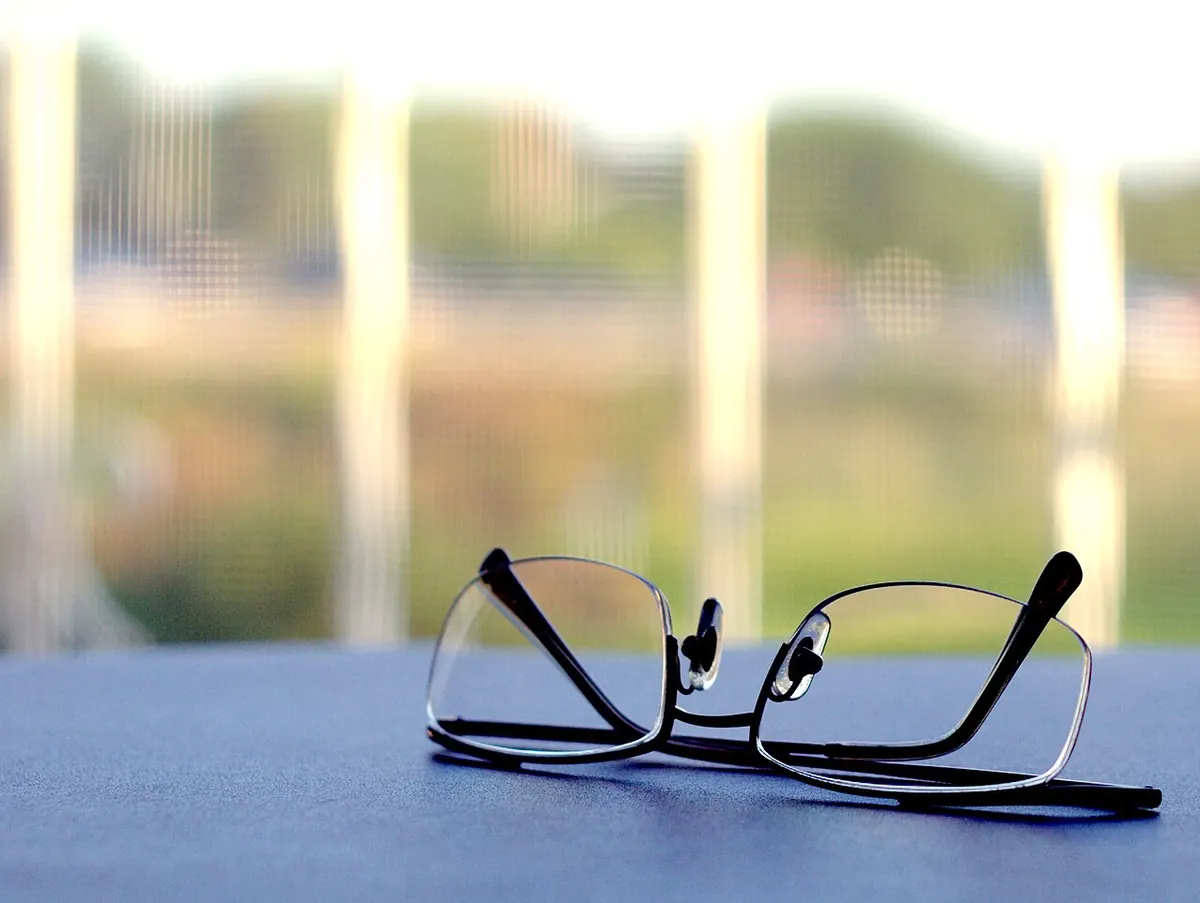
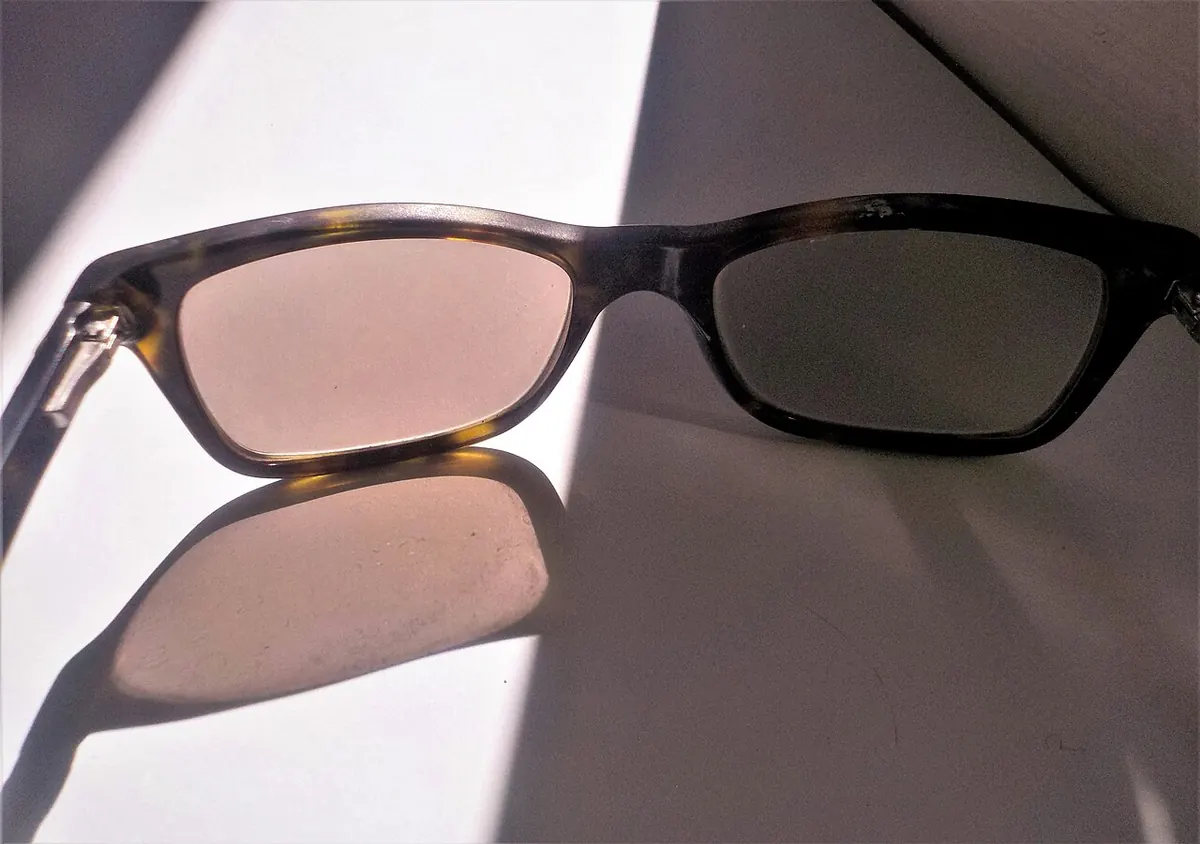
Full-rim plastic readers

A plastic front surrounds each lens. Choose them for everyday counter ranges in several colours, and ask for frame tests on the plastic you are buying.

Metal readers

Thin metal fronts and temples. Choose them for a lighter, plainer look; metal parts that touch the skin need a nickel-release result for the EU.

Half-rim readers

The frame encloses only part of each lens and a thin wire, usually nylon, holds the rest. Choose them for a lighter, more open look than full-rim.

Rimless readers

The lenses are mounted directly to bridge and temples, usually with screws. Choose them for the lightest look, and check the screws and mounting on the sample.

How to specify reading glasses

Powers and steps
List every power you stock, for example +1.00 to +3.50 in steps, and the quantity per power. Both lenses carry the same power.
Lens size
The horizontal boxed lens size of a reader is typically 40 to 60 mm. Give the size in mm for each frame style.
Frame
Full-rim, half-rim or rimless, and metal, plastic or a combination, with hinge type and colours.
Lens material
Organic (plastic, including polycarbonate) or mineral (glass), and any coating. For the US, lenses must pass the impact rule.
Labels and packing
Power on each pair and on the outer pack, display boxes or single sleeves, and the importer's name and address for the EU and UK.
Market
Name the countries you sell in. The market decides the standard, the label wording and the device paperwork.

Standards and rules for reading glasses

ISO 16034 and EN 14139
ISO 16034:2002 sets minimum requirements for single-vision ready-to-wear near-vision spectacles, and the EVS catalogue shows it as valid. EN 14139:2010 is the European text, also shown valid.
EU medical device rules
Ready-to-wear reading spectacles are class I medical devices under Regulation (EU) 2017/745, normally self-declared, and need technical documentation and CE marking.
US FDA, 21 CFR 801.410
Non-prescription lenses sold in the US must be impact-resistant, tested on a statistically significant sample from each production batch, with records kept for three years.
REACH nickel limit
Metal parts in direct and prolonged skin contact may release at most 0.5 µg/cm² of nickel a week, tested on frames to EN 16128.

What moves the price of reading glasses

  • Power range: more powers mean more stock lines to make, pack and check.
  • Frame: metal frames add nickel tests; rimless frames add screws and mounting parts.
  • Lens material: glass, plastic or polycarbonate, and any coating applied.
  • Packing: display boxes, cases and printed sleeves per power and per market.
  • Paperwork: EU or US sales under your own brand add device files and test reports.

Lead times and delivery

We give no figure here, because time depends on the order. It grows with the number of powers and colours, with a new frame shape, with printed display packing and with lab reports for each market. Roptan confirms the dates, and the minimum per style and power, in the quote.

Inside Bangladesh we deliver to pharmacies, optical shops, retail chains and distributors, packed by style, colour and power, with the power visible on every pack so shelves can be filled without opening cartons. Each delivery carries the packing list, the lensmeter sample record, the reports and a VAT invoice (Mushak 6.3).

What we check for this order

  • Power against labelWe read sample pairs from every power on a lensmeter and check that both lenses match each other and the tag.
  • Reports for this modelWe check that the reports cite ISO 16034 or EN 14139 and name the frame style you are buying.
  • Nickel on metal framesWe match metal styles and their finishes to an EN 16128 nickel-release report.
  • Labels and packsWe check power marking, the importer's details where your market needs them and pack counts under ISO 2859-1.

Questions buyers ask

Which powers should a reading-glasses range carry?

Most ranges run in steps from about +1.00 to +3.50; some retail ranges start at +0.75. EU guidance on device identifiers groups ready-to-wear readers in that same +1.00 to +3.50 range. Stock more of the middle powers your sales show, and give the quantity per power in the order.

Are reading glasses medical devices in the EU?

Yes. EU guidance treats ready-to-wear reading spectacles as class I medical devices under Regulation (EU) 2017/745. The manufacturer normally self-declares, with technical documentation and CE marking, and from 1 November 2028 newly produced readers also need a Master UDI-DI on the label.

Can ready-made readers replace prescription glasses?

Not for everyone. They have the same power in both lenses, so they do not allow for a difference between the eyes or for astigmatism. An eye care professional's prescription usually gives better correction, so a line on the pack suggesting an eye test is sensible.

Who is the manufacturer if we sell readers under our brand?

In the EU, usually you. Under Article 16 of Regulation (EU) 2017/745, a company selling a device under its own name takes on the manufacturer's duties, unless an agreement names the maker on the label. Plan the technical file before the first shipment.

How soon will I hear back about eyewear and optical?

Within 48 hours of a complete requirement, with a price and a delivery date. A requirement is complete when it has the quantity, where it is needed and by when.

Who do I deal with?

With Roptan, when Roptan manages the order: we buy from the verified seller and deliver to you. With the supplier directly, when you post on the requirement board and choose a quote yourself.

Other eyewear products

Each product type has its own page as it is published; until then its card opens the category form.

All eyewear and optical