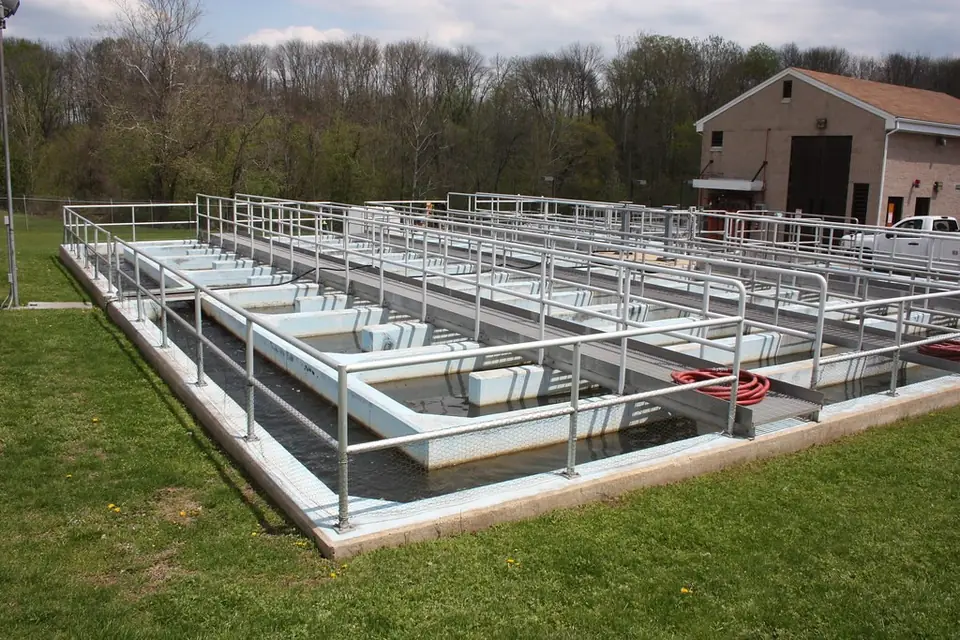
Buying sludge free STP in Bangladesh
A sludge free STP is a sewage treatment plant sold on making very little sludge. No treatment process removes the need to dispose of sludge altogether. What these plants do is keep the sludge longer in aeration so the bacteria break down more of it, and desludging is needed less often. For a building in Bangladesh, that means fewer tanker visits, not none.
A sludge free STP supplier in Bangladesh should give you a sludge figure, not a slogan. We have verified sellers state the expected sludge quantity, the removal method and the interval on one design basis, compare them, and deliver the plant. The seller installs and commissions it. You can also post the requirement on our board.
How to specify a low-sludge STP
- Sludge quantity and interval
- Ask for the expected sludge in m³ or kg a month at your design load, and how often desludging is due. Get both in writing.
- Removal route
- Say how sludge will leave: tanker, drying bed or dewatering press. Give tanker access hours and the route to the plant.
- Sludge age and retention
- Ask for the design sludge age and hydraulic retention time. Longer values leave less sludge but need larger aeration tanks.
- Occupancy swings
- Say if the building empties at weekends or holidays. Feeding a plant to keep bacteria alive at low load is unpredictable and adds sludge.
- Kitchen waste
- Put a grease trap ahead of the plant for kitchens and canteens, since cooking oil can overwhelm a biological plant.
Standards and tests for low-sludge plants
- ECR 2023 discharge limits
- A long sludge age does not change the outlet rule. The plant must meet the ECR 2023 limits, and the design basis should state them.
- EN 12255-6
- The European design standard for the activated sludge process. A seller may cite it for sludge age and aeration; it is not a Bangladesh rule.
- ISO/IEC 17025 and ISO 5815-1
- Outlet samples go to an accredited lab and BOD is measured to ISO 5815-1. Allow five days for each BOD result.
Lead times and delivery
Time depends on the plant, so Roptan quotes dates for each order rather than a standard figure. Larger aeration tanks and any dewatering equipment add build time, and imported units take longer for sea freight and customs clearance at Chattogram. The long sludge age also means the biology takes time to reach its design state. Roptan confirms the dates and any minimum in the quote.
We deliver the plant to your site anywhere in Bangladesh. The seller installs it, seeds it and runs it until the outlet meets the agreed limits. Handover includes the drawings, lab reports, operating manual, the written sludge figures and removal plan, the desludging schedule and a VAT invoice (Mushak 6.3).
Questions buyers ask
Will a sludge free STP ever need desludging?
Yes. No treatment process removes the need to dispose of sludge. A low-sludge design keeps the sludge longer in aeration so less is left over, which means desludging comes round less often. The plant still needs a sludge outlet and a way to take sludge off site.
How often will our plant need emptying?
It depends on the load, the process and the sludge age, so no general figure is honest. Ask each seller to state the interval and quantity at your design load, and check them against the desludging records of a plant they already run.
Where does the sludge go?
Usually to a tanker for disposal, or to a drying bed or dewatering press first. Dewatered sludge is still typically 50 to 75 percent water. Agree who collects it, how often, and whether the cost sits in the service contract.
Does a low-sludge plant need less operator time?
Not much less. Small plants still need competent operation, and an activated sludge plant can suffer bulking, where sludge stops settling and the outlet quality drops. Plan for regular service visits and an operator who checks settling and dissolved oxygen on each visit.
How soon will I hear back about STP?
Within 48 hours of a complete requirement, with a price and a delivery date. A requirement is complete when it has the capacity, where it is needed and by when.
Who do I deal with?
With Roptan, when Roptan manages the order: we buy from the verified seller and deliver to you. With the supplier directly, when you post on the requirement board and choose a quote yourself.