Buying sacking cloth in Bangladesh
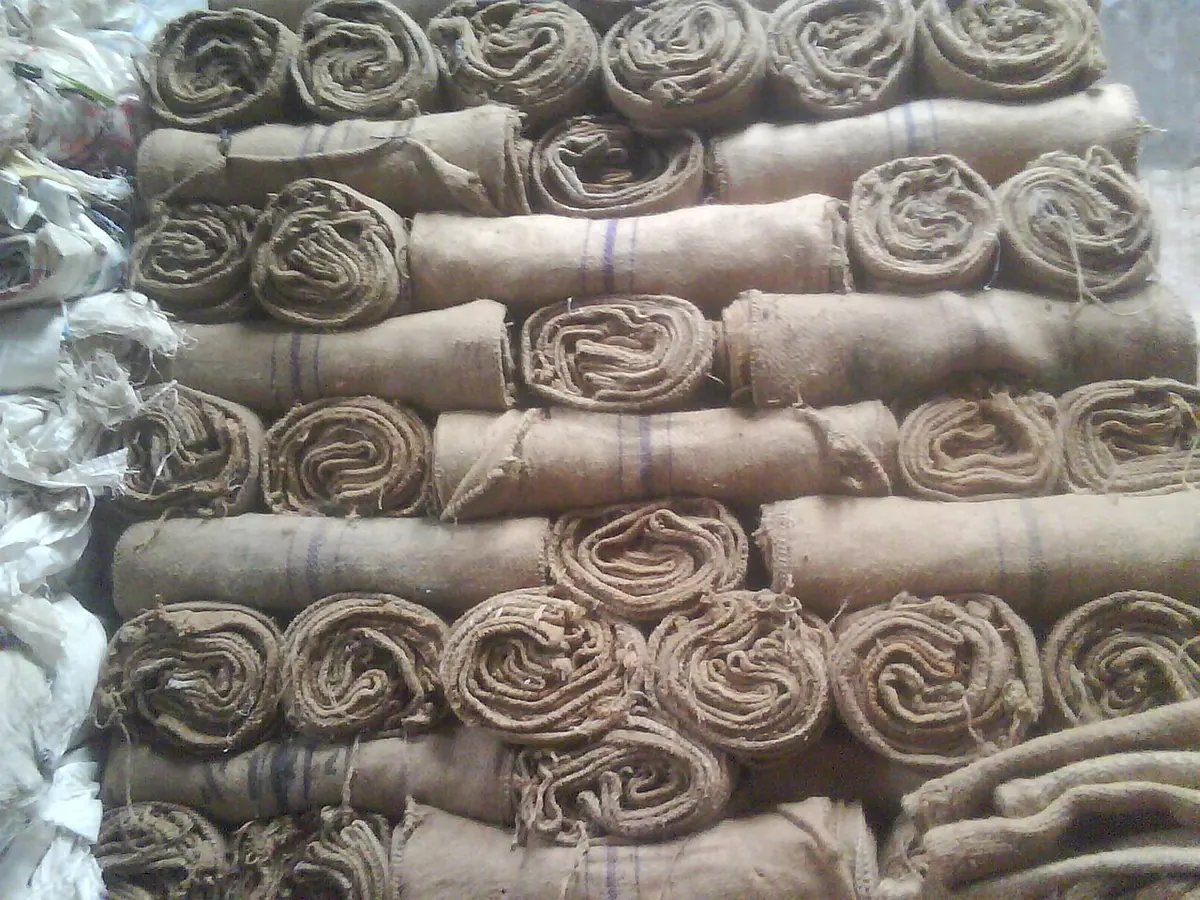
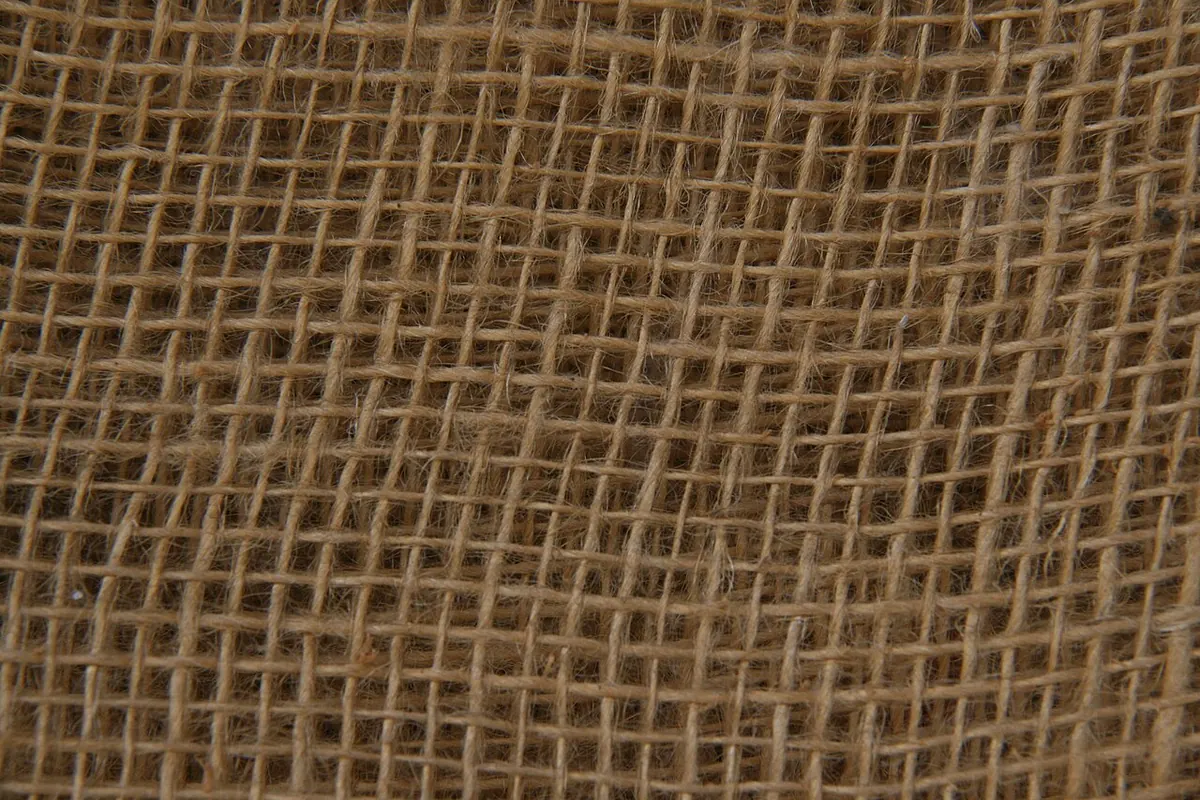
Sacking cloth is the coarse, heavy end of woven jute: usually double warp, in a 2/1 twill or a plain weave, from coarser yarn than hessian. Mills usually sew it into sacks, so its buyers are bag makers, rice, sugar, fertiliser and feed packers bound by Bangladesh's jute packaging law, and importers abroad.
A name such as B-twill means different things in different standards. So Roptan asks every sacking cloth manufacturer in Bangladesh it approaches for the same numbers: weight, ends and picks, yarn counts, strength and regain. We check them on your lot.
How to brief a sacking cloth manufacturer in Bangladesh
- Weave and weight
- Twill or plain, double warp, and g/m² with a plus and minus tolerance. BDS 946:1980, for example, allowed plus 10 and minus 7.5 percent on its L-twill.
- Ends and picks per dm
- Both, with tolerances. As a neighbouring example, India's 2003 foodgrain bag standard wove a 579 g/m² twill at 76 ends and 28 picks per dm.
- Yarn counts
- Sacking warp is usually 8 to 10 lb per spyndle and the weft 14 lb or heavier. Name both, because weight alone does not fix strength.
- Breaking strength
- Warpway and weftway minimums on a 10 by 20 cm ravelled strip, by a stated method. The 1980 L-twill text asked for 204 kg warpway and 162 kg weftway.
- Oil content
- Extractable oil on a dry de-oiled basis. India cut its foodgrain bag limit to 3 percent in 2003, where BDS 946:1980 allowed 8. The test counts fat and wax too.
Standards and papers for sacking
- BDS 946:1980 and BDS 1397:1993
- Bangladesh Standards for L-twill cloth and for jute bagging that wraps cotton bales. Both are old texts; confirm with BSTI that they are current before citing them.
- IS 9113:2012
- India's general requirements for jute sacking. Use Indian standards as a neighbouring country's examples and name the edition, since India revised its B-twill cloth standard in 2026.
- IJO Standard 98/01
- For cocoa, coffee or shelled nut sacks, ask for a test report to IJO Standard 98/01, which limits unsaponifiable matter in the cloth, tied to your lot and bales.
- Jute Act 2017
- It lists sacking among jute goods, and traders in them, makers included, must hold a licence under it. Ask for that licence with the mill's trade licence.
Lead times and delivery
Running qualities such as B-twill from a regular batch usually load sooner than a special construction, a food-sack lot waiting for its IJO 98/01 report, or cloth that must be sewn into sacks first. A small raw jute crop tightens supply. Roptan confirms the dates and the minimum in the quote.
Inside Bangladesh, we deliver cloth or sewn sacks in bales by covered truck to your bag unit, rice, flour or sugar mill or feed plant, with measured regain and corrected net mass on the packing list, the lot test report and a VAT invoice (Mushak 6.3). Roptan takes up any mildewed or underweight bale with the mill.
Buying sacking cloth for export
Unbleached sacking cloth leaves under HS 5310.10, and sewn sacks under 6305.10. India took the largest share of Bangladesh's woven jute cloth exports by value in FY2025-26. News reports in September 2026 say India charges anti-dumping duty on Bangladeshi jute sacking at rates that differ by producer, so confirm the duty for your seller before buying for India. We quote FOB Chattogram or Mongla, with a REX statement for EU GSP.
Questions buyers ask
What is the difference between A-twill and B-twill?
Mainly weight. Both are double-warp 2/1 twills; IJSG lists A-twill at 750 g/m² and B-twill at 643 g/m². India's 1995 A-twill bag standard also wove three blue stripes into the cloth unless agreed otherwise. Order by the numbers, because standards and editions differ.
Can sacking cloth carry cocoa or coffee?
Ask for a test report on your lot to IJO Standard 98/01, the jute standard for cocoa, coffee and shelled nut bags. It tests the cloth, not the oil's name, since even vegetable batching oil leaves some unsaponifiable matter. Ask which body issued the certificate.
Why is sacking invoiced at a contract regain?
Jute holds a varying share of water, so the same cloth weighs differently from day to day. The contract fixes a regain, 20 percent in India's bag standards with 22 percent as the ceiling, and net mass is corrected to it on the packing list.
Which goods must be packed in jute in Bangladesh?
Those notified under the Mandatory Use of Jute Packaging Act 2010: first six goods including rice, wheat, fertiliser and sugar, then farm goods such as flour, potatoes, pulses and onions, and poultry and fish feed from 2018. The packaging must be at least 75 percent jute; the Director General of Jute enforces the Act. Check the current list before you order.
How soon will I hear back about hessian and jute fabric?
Within 48 hours of a complete requirement, with a price and a delivery date. A requirement is complete when it has the quantity, where it is needed and by when.
Who do I deal with?
With Roptan, when Roptan manages the order: we buy from the verified seller and deliver to you. With the supplier directly, when you post on the requirement board and choose a quote yourself.