Buying dyed jute fabric in Bangladesh
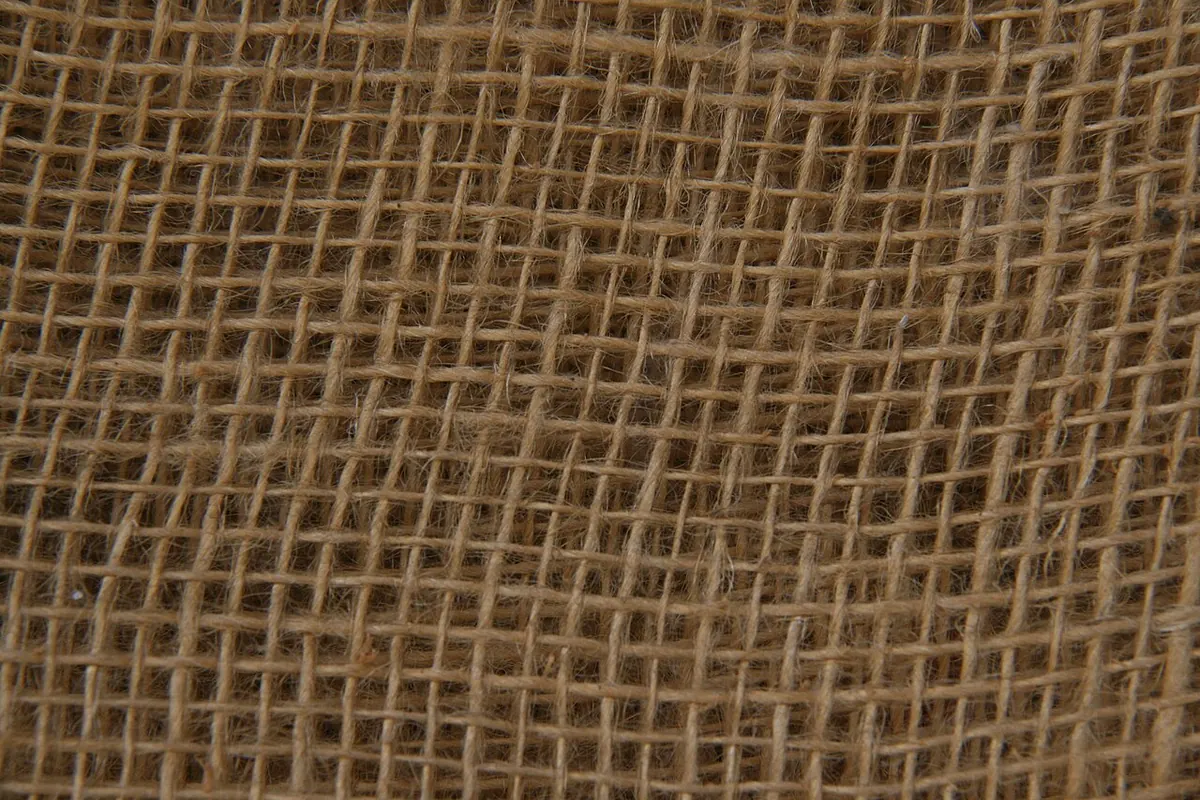
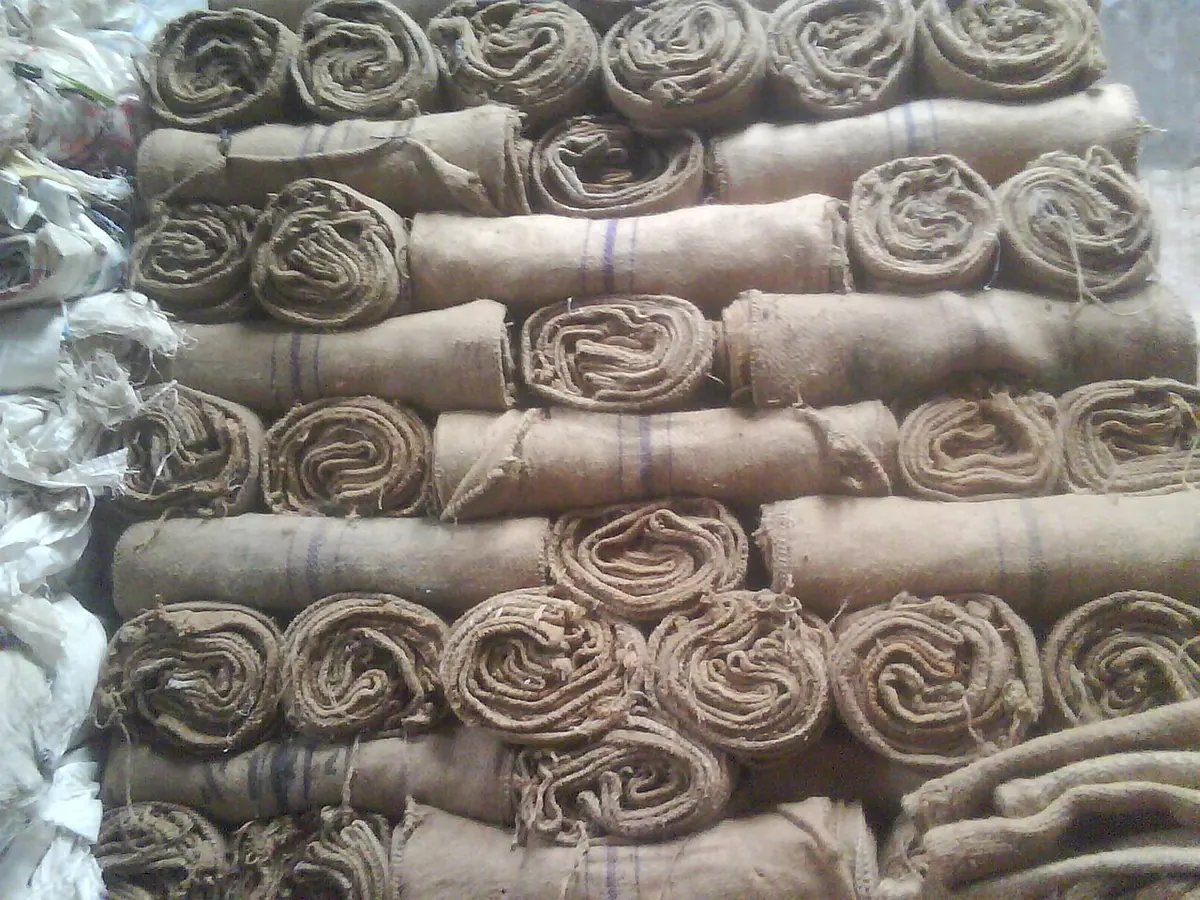
Dyed jute fabric is hessian or heavier jute cloth that is bleached, dyed or printed after weaving, or woven from dyed yarn in stripes and checks. It goes into bags, decor, display and event dressing. Almost all of Bangladesh's woven jute cloth exports are unbleached, so coloured cloth is a specialised order.
Dyed jute can drift in shade, lose strength in processing and yellow in light. So Roptan writes limits for all three into the order, approves a lab dip before any dyed jute fabric manufacturer in Bangladesh runs bulk, and checks the dyed lot itself.
How to brief a dyed jute fabric manufacturer in Bangladesh
- Base cloth
- Weight, construction and width of the cloth to be dyed, and whether weight is quoted before or after processing, since bleaching and dyeing remove some mass.
- Shade and tolerance
- A physical shade standard, the lab dip or strike-off you approve, and the drift allowed between lots. Grey jute runs from off-white to brown, which affects the result.
- Bleach route
- Peroxide or chlorite. One textile explainer puts weight loss at 10 percent for peroxide against 17.9 percent for chlorite, with slightly less strength lost.
- Dye type
- Synthetic dyes are commonly used on jute. A 2023 study promoting natural dyes still lists poor repeatability and lower colour yield among their limits.
- Strength after dyeing
- Warp and weft breaking strength measured on the dyed cloth from your lot, by a stated method such as ISO 13934-1, against your minimums.
- Fastness results
- The grades you need for rubbing, washing and light, each with its test method, reported on cloth from your lot.
Tests and certificates for dyed jute
- ISO 105-B02
- Colour fastness to artificial light by xenon arc, current edition 2014. Agree the grade and get a report on your lot, because bleached and pale jute can yellow.
- ISO 105-X12 and ISO 105-C06
- Rubbing and washing fastness, current editions 2016 and 2010, graded on the ISO 105 grey scales for colour change (A02) and staining (A03). Name the edition in the order.
- EN ISO 14362-1:2017
- Detects certain azo colourants through the amines they release. The EU has banned consumer goods containing the listed amines since 2003; your market sets the need.
- OEKO-TEX Standard 100
- Tests every component against over 1,000 harmful substances. Check the certificate number in the OEKO-TEX Label Check, and that it covers the article you are buying.
Lead times and delivery
A shade the dyer has run before, on cloth in stock, usually ships sooner than a new colour. Each lab dip round, bleaching, yarn dyeing and fastness or azo testing adds time. Roptan confirms the dates and the minimum per shade in the quote.
Inside Bangladesh, we deliver rolls wrapped against damp and light and labelled by shade lot, by covered truck to your bag unit, workshop or store, with a roll list, the shade and test reports for your lot and a VAT invoice (Mushak 6.3).
Buying dyed jute fabric for export
Dyed, bleached and printed jute cloth leaves under HS 5310.90, the line for woven jute and other bast fibre cloth that is not unbleached. In FY2025-26 it was about 1.5 percent of Bangladesh's woven jute cloth exports by value, so ask for samples from the dyed range itself. We quote FOB Chattogram.
Questions buyers ask
Will dyed jute fade or yellow in sunlight?
It can. Jute keeps most of its lignin through peroxide bleaching, and one textile explainer says bleached jute's whiteness is not fast to light. Treat light fastness as a result to agree: state the ISO 105-B02 grade and ask for a report on your lot.
Does dyeing weaken jute cloth?
It can. In a 2024 laboratory study at BCSIR Dhaka, jute packaging cloth that was desized and then dyed with a natural dye broke at a lower force, warpway and weftway, than the sized grey cloth. That is one fabric and one process, so ask for strength on your dyed lot.
Can you match our brand colour on jute?
Usually, within limits. Send a physical shade standard, and the dyer makes a lab dip on the actual base cloth for your approval. Grey jute varies from off-white to brown, so a pale or bright shade may need bleached cloth. Agree a tolerance.
Natural dye or synthetic dye?
Synthetic dyes are the common choice for jute. In one Bangladeshi study a natural dye with a mordant reached grade 4 to 5 for light and washing fastness, but researchers list poor repeatability among natural dyes' limits. Repeat orders are easier to hold with synthetic dyes.
How soon will I hear back about hessian and jute fabric?
Within 48 hours of a complete requirement, with a price and a delivery date. A requirement is complete when it has the quantity, where it is needed and by when.
Who do I deal with?
With Roptan, when Roptan manages the order: we buy from the verified seller and deliver to you. With the supplier directly, when you post on the requirement board and choose a quote yourself.