Managed sourcing from Bangladesh, for export and for buyers at home
Get it sourced

Yarn, jute and textiles · Hessian and jute fabric

Carpet backing cloth manufacturer in Bangladesh

Running a tufting line? Send the backing type, weight, width, oil limit and quantity. Roptan sources from a verified carpet backing cloth manufacturer in Bangladesh, checks width, weft straightness and oil on your rolls, and delivers or ships FOB.

  • Verified sellers
  • Checked before it ships
  • Delivered by Roptan

Get carpet backing cloth sourced

Prefer to deal with suppliers yourself? Post it on the requirement board

Buying carpet backing cloth in Bangladesh

Carpet backing cloth, CBC in the trade, is a balanced jute fabric of uniform yarn, 180 to 407 g/m² by IJSG's account, woven as the base of a carpet. In tufting, primary backing takes the pile yarn and secondary backing is bonded behind it. Carpet mills buy it by the roll, often several metres wide.

Width that falls short, a bowed weft or oil in the cloth all cost a carpet mill money. So Roptan writes limits for each into the order before any carpet backing cloth manufacturer in Bangladesh quotes, compares offers on them, and checks them on rolls from your lot.
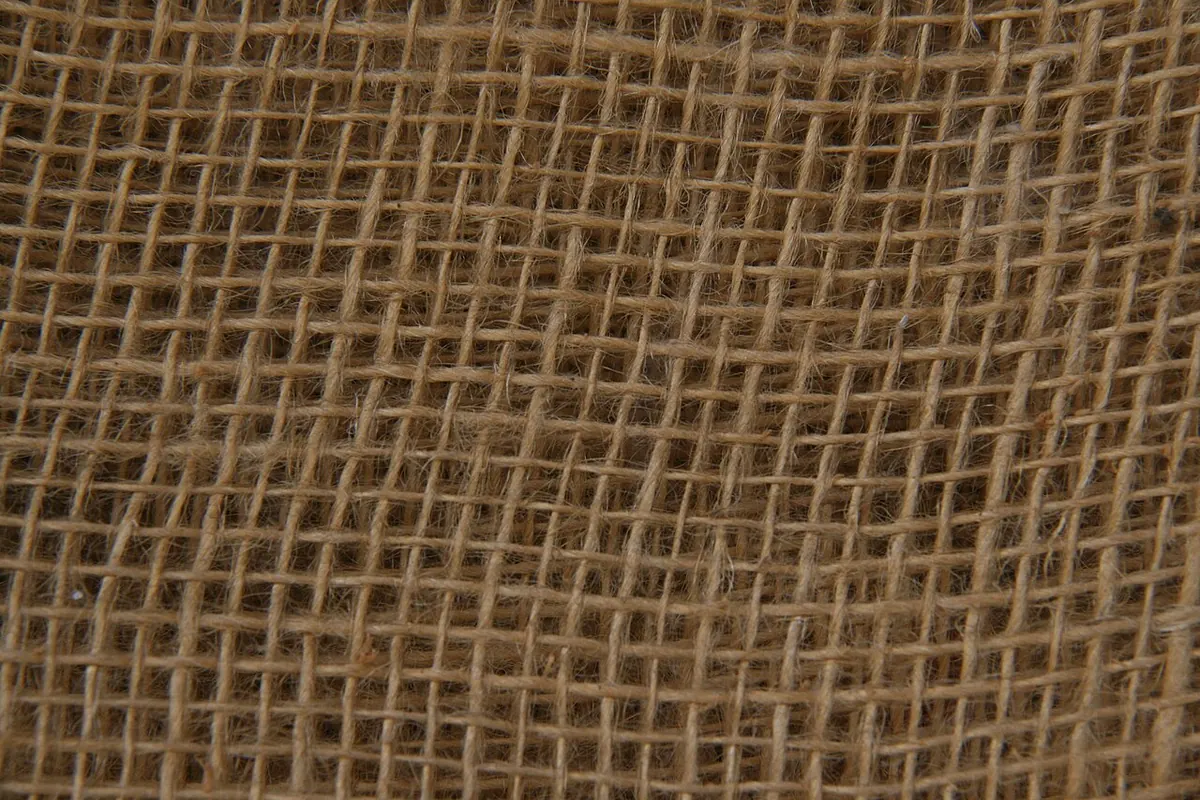
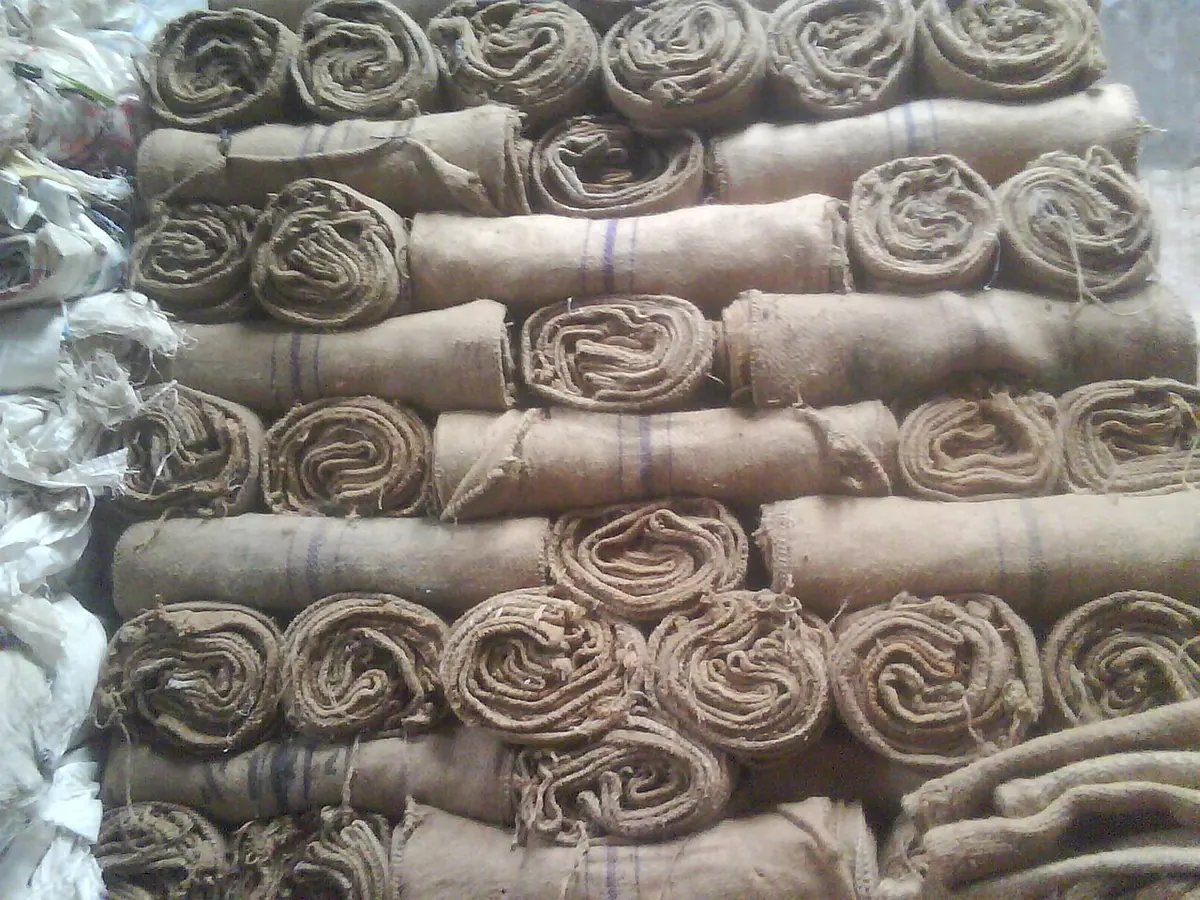
Kinds of jute carpet backing

Primary backing

The base cloth the pile yarn is tufted into, so it needs strength, evenness and a stable shape. India's IS 4900 lists five primary weights from 237 to 407 g/m².

Secondary backing

Bonded to the back of a tufted carpet to form an underlay and add stability. It is lighter: India's IS 4900 gives 186 and 203 g/m², and its 237 g/m² primary is sometimes used as one.

Sateen-woven backing

India's IS 4900 allows plain or sateen weave; sateen has a lustrous face, a lower warp sett and a higher weft sett. Ask which weave a mill quotes before comparing ends and picks.

Wide backing

Woven several metres wide; India's IS 4900 sets looser weft distortion limits above 4 m. Some import tariffs, the UK's among them, give unbleached jute cloth over 150 cm wide its own line.

How to brief a carpet backing cloth manufacturer in Bangladesh

Mass on roll basis
g/m² worked out from roll mass, length and width, with a tolerance. As a neighbouring example, India's IS 4900 allows plus or minus 5 percent on primary backing.
Ends and picks
Per dm or per inch, with tolerances. In India's IS 4900, for example, the 305 g/m² primary is 59 ends and 51 picks per dm, or 15 by 13 per inch.
Width and how it is read
Width includes the selvedges. Say whether it is measured on a roll free of tension, at running tension or on a full-width sample.
Weft distortion
Limits for bow, bias and weft fall-off. India's IS 4900 caps primary backing at 75 mm up to 4 m wide and 100 mm above.
Oil and pile fibre
An extractable-matter limit, 2.0 percent in India's IS 4900, and the pile fibre, since oil migrating from the backing can visibly speed the soiling of a cotton or rayon pile.
Rolls, joints and cores
Roll length and its tolerance, whether joint-rolls are accepted and how joints are flagged at the roll side, and the core.

Standards and tests for carpet backing

ISO 11860:1999
The ISO specification for primary and secondary jute carpet backing fabric, reconfirmed in 2022. Ask the mill which of its clauses your order will meet.
IS 4900:1984
India's jute carpet backing specification, a neighbouring country's example of weights, construction, grab strength, oil and weft distortion. IJSG's standards list shows no Bangladesh equivalent.
Grab strength
India's IS 4900 tests backing by the grab method. For a current contract, name ISO 13934-2:2014 or another method with its edition, and warpway and weftway minimums.
Test atmosphere
India's IS 4900 lets tests run at 40 to 90 percent humidity, but a buyer can require its standard tropical atmosphere, 65 percent and 27°C, so results compare.

What moves the price of carpet backing cloth

  • Mass per square metre on roll basis, which India's IS 4900 treats as a measure of value received.
  • Construction: more ends and picks per dm put more yarn into every metre.
  • Width, since backing several metres wide needs wide looms to weave.
  • Yarn count and evenness, and a tight oil limit on the yarn.
  • Lab reports on oil, strength and distortion, and the raw jute price.

Lead times and delivery

A construction and width the mill already weaves usually ships sooner than a new width, a sateen weave or yarn spun low in oil for your order. A trial roll on your line and lab tests add time before bulk. Roptan confirms the dates and the minimum in the quote.

Inside Bangladesh, we deliver rolls on cores by covered truck to your carpet plant, wrapped and kept dry against mildew. A roll list gives roll number, length, width and mass, with the lot report on oil, mass, construction and weft distortion, and a VAT invoice (Mushak 6.3).

Buying carpet backing cloth for export

Unbleached jute backing leaves Bangladesh under HS 5310.10, which carries almost all of its woven jute cloth exports; EPB does not report backing apart. Check your own tariff: the UK, for one, splits the line at 150 cm width. We quote FOB Chattogram or Mongla, with a REX statement for EU GSP.

What we check for this order

  • Width on sampled rollsMeasured at the agreed tension at several points along each sampled roll, against your width and tolerance.
  • Bow and biasWeft distortion measured across the width on rolls from your lot, against the limits in the order.
  • Oil and mildewExtractable oil on your lot against the limit, and rolls free from mildew and oil stains.
  • Joints and roll make-upJoints flagged at the roll side, no more per roll than agreed, cores sound and rolls wrapped for transport.

Questions buyers ask

What is the difference between primary and secondary backing?

Primary backing is the cloth the pile is tufted into; secondary backing is bonded behind it to form an underlay. Secondary cloth is lighter: India's IS 4900 lists it at 186 and 203 g/m², against 237 to 407 g/m² for primary.

Why does the oil limit matter?

Jute is oiled to help spinning. India's IS 4900 warns that above 2 percent extractable matter in the yarn, oil migrating into the pile visibly speeds the soiling of a cotton or rayon pile. State your limit and pile fibre, and ask for oil tested on your lot.

Do carpet mills still use jute backing?

Some do, but jute has lost market to synthetics, polypropylene among them, since the 1960s. Before ordering, confirm that your tufting line and your customers want jute, then approve a trial roll run on that line before the bulk order is woven.

Which standard should a backing order cite?

ISO 11860 is the international specification for jute backing and India's IS 4900 a detailed national one, and a carpet mill can add its own limits. Whichever you cite, put the numbers in the order: mass, ends and picks, width, distortion, strength method and oil.

How soon will I hear back about hessian and jute fabric?

Within 48 hours of a complete requirement, with a price and a delivery date. A requirement is complete when it has the quantity, where it is needed and by when.

Who do I deal with?

With Roptan, when Roptan manages the order: we buy from the verified seller and deliver to you. With the supplier directly, when you post on the requirement board and choose a quote yourself.

Other hessian cloth products

Each product type has its own page as it is published; until then its card opens the category form.

All hessian and jute fabric