Buying pullovers in Bangladesh
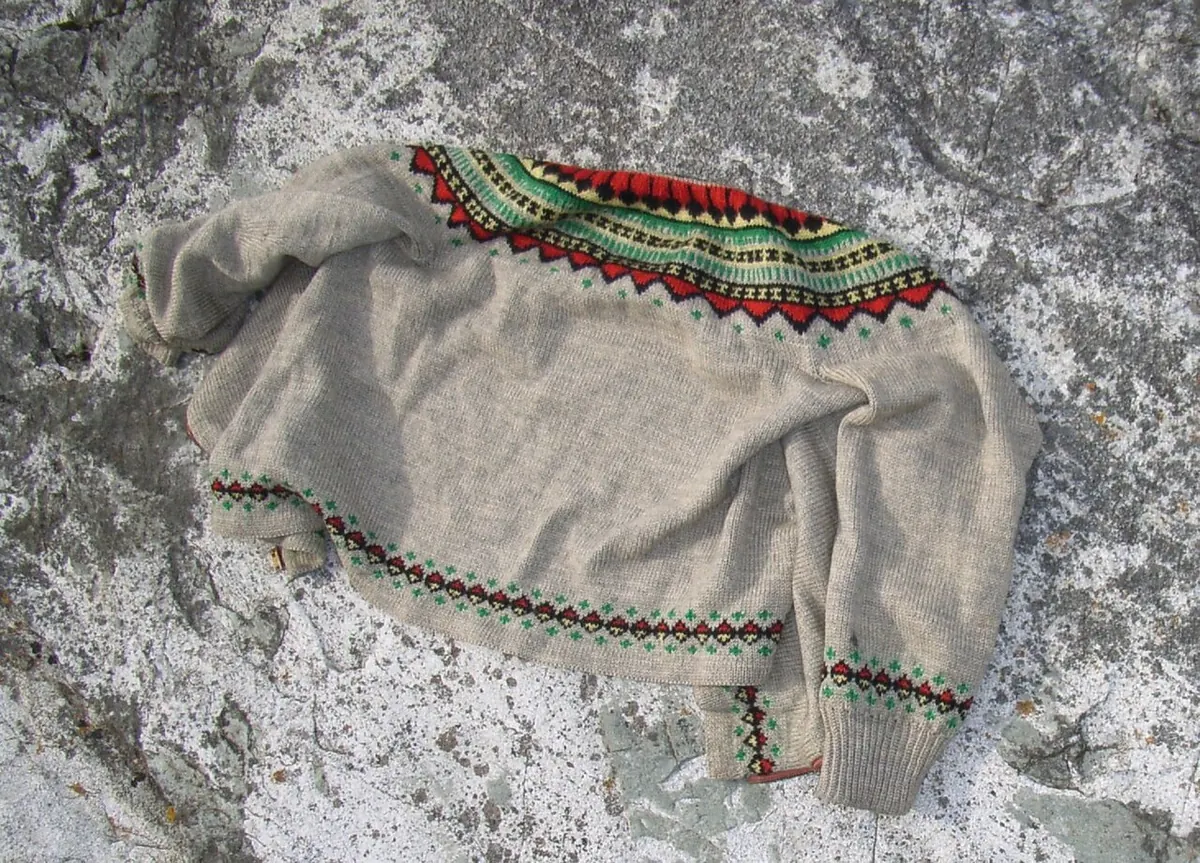
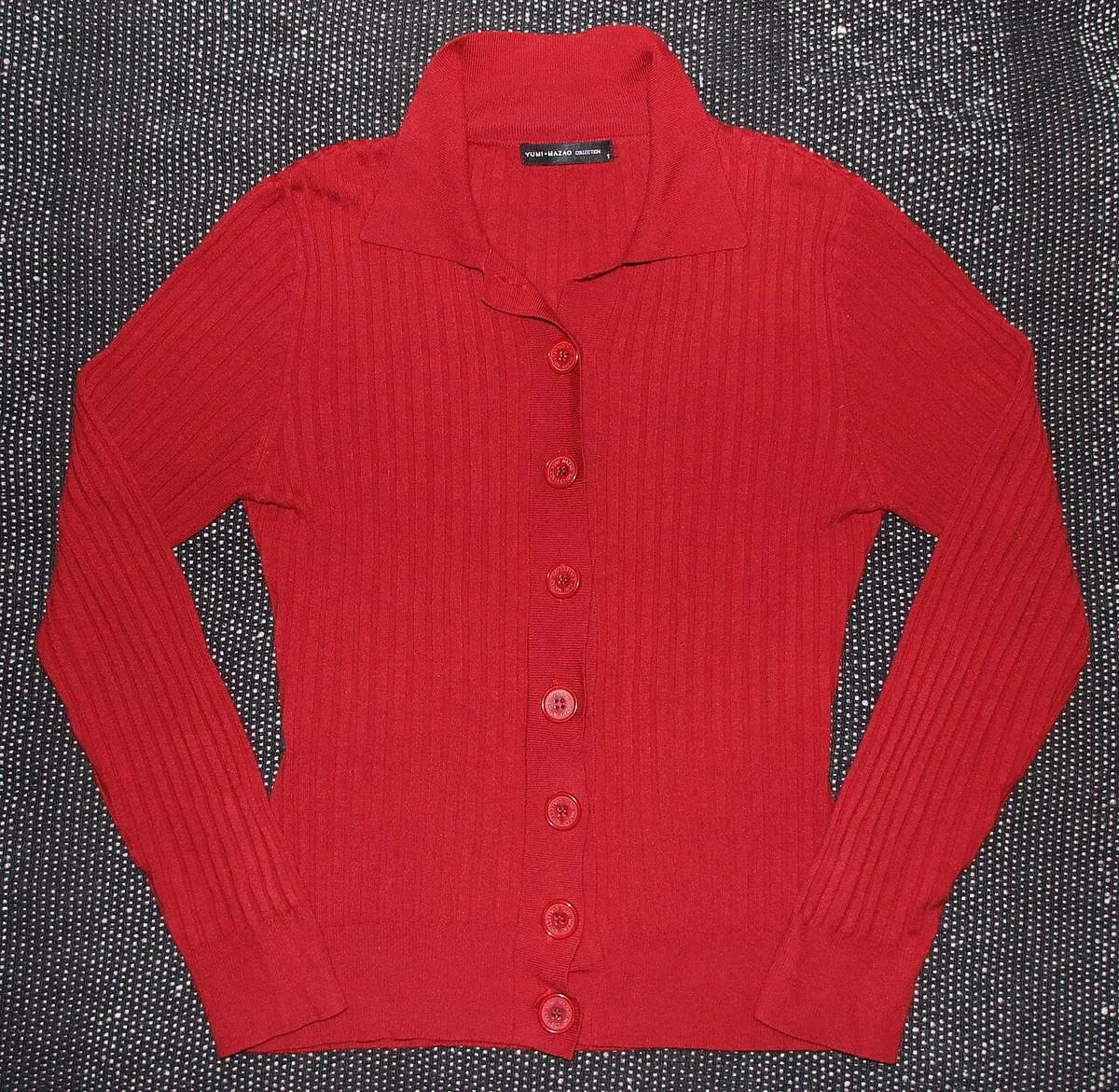
A pullover is the sweater with no front opening: it goes on over the head. Crew and V necks are the usual necklines, in plain, cable or colourwork knits. Importers buy pullovers for autumn and winter ranges, and lighter knits now sell for much of the year. Most of Bangladesh's sweater exports are cotton or a man-made fibre such as acrylic.
Bangladeshi knitwear units cost the yarn from the weight of an approved sample, since a sweater has no fabric stage. Roptan briefs verified sellers that knit your gauge, writes the approved weight into the order, approves the lab dip and sample, then checks the bulk.
How to brief a pullover manufacturer in Bangladesh
- Neck, sleeve and length
- Neck style, raglan or set-in sleeve, a hem at hip height or longer, and the front neck drop, from the back neck seam to the top of the front neck.
- Yarn and count system
- Fibre blend, count, ply and system: metric count (Nm) is metres per gram, cotton count (Ne) is based on 840 yards per pound. Higher means finer in both.
- Gauge and approved weight
- Gauge is needles per inch; lower numbers knit coarser and heavier. Bangladeshi units commonly run 3, 5, 7 and 12 gauge. Write the approved weight per size into the order.
- Points of measure
- Body length from the high point shoulder, chest 1 inch below the armhole, bicep and sleeve opening. Sizes are set on templates during steam pressing.
- Shade and neck trim
- Approve a lab dip from your swatch or a colour reference number. The neck trim is knitted on separate machines, so name the body's yarn lot for it.
Tests for pullovers
- ISO 12945-2 and ISO 12945-1
- Pilling by the modified Martindale method or the pilling box. Knits pill more than wovens, loose knits more than tight ones; set the method and minimum result.
- ISO 5077 with ISO 6330 and ISO 3759
- Dimensional change after washing and drying, using the ISO 6330 flat or line drying on your care label; ISO 3759 sets how pieces are marked and measured.
- OEKO-TEX Standard 100 and REACH
- Adult pullovers usually fall in product class 2, direct skin contact; check the certificate number on the Label Check. REACH Annex XVII entry 72 restricts listed carcinogenic, mutagenic and reprotoxic substances in EU clothing.
Lead times and delivery
Dates run from approvals. Colour is approved first on a lab dip, then a sample whose weight and measurements you sign off, since the yarn is booked from that weight. Bulk then passes through knitting, linking, light checking, washing for cotton and acrylic, and pressing. Late changes to the lab dip or sample move every later date. Roptan confirms sample and bulk dates and the minimum order in the quote.
Pullovers are steam pressed to size, folded, tagged and bagged. Roptan delivers inside Bangladesh with the packing list, inspection report and a VAT invoice (Mushak 6.3). Cartons kept through the June to September monsoon can take up damp and may turn mouldy, and moths attack wool.
Buying pullovers for export
Pullovers share HS heading 6110 with cardigans; fibre sets the six-digit line: 6110.20 cotton, 6110.30 man-made fibres, 6110.11 wool. Your broker confirms the national line. Quotes are FOB Chattogram, with an invoice stating fibre composition, packing list, bill of lading, origin papers such as a REX statement, and test reports.
Questions buyers ask
Is a pullover the same as a jumper or a sweater?
Yes. Sweater and pullover are the North American words; jumper and jersey are the British ones. All mean a knitted top that goes on over the head, unlike a cardigan, which opens at the front. Customs class both under heading 6110.
Will an acrylic pullover pill?
It can. Some acrylic yarns fuzz or pill easily, though low-pilling variants exist, and a tight knit pills less than a loose one. Pilling shows first at the cuffs and collar. Ask for a low-pilling yarn and an ISO 12945-2 result in the order.
What must the label say on a pullover sold in the EU?
Under Regulation (EU) No 1007/2011, each fibre by name and percentage by weight, in descending order. Only a single-fibre pullover may say 100 percent, and the analysed blend may differ by up to 3 percent. The importer answers for the label.
Are cotton pullovers washed before shipment?
Usually yes. Cotton and acrylic pullovers are washed in finishing, which also sets their shrinkage, and acrylic needs heat to set its shape. Fancy yarns are usually not washed. Ask for ISO 5077 results after the wash and drying on your care label.
How soon will I hear back about sweaters and knitwear?
Within 48 hours of a complete requirement, with a price and a delivery date. A requirement is complete when it has the quantity, where it is needed and by when.
Who do I deal with?
With Roptan, when Roptan manages the order: we buy from the verified seller and deliver to you. With the supplier directly, when you post on the requirement board and choose a quote yourself.