Buying flat-knit jumpers in Bangladesh
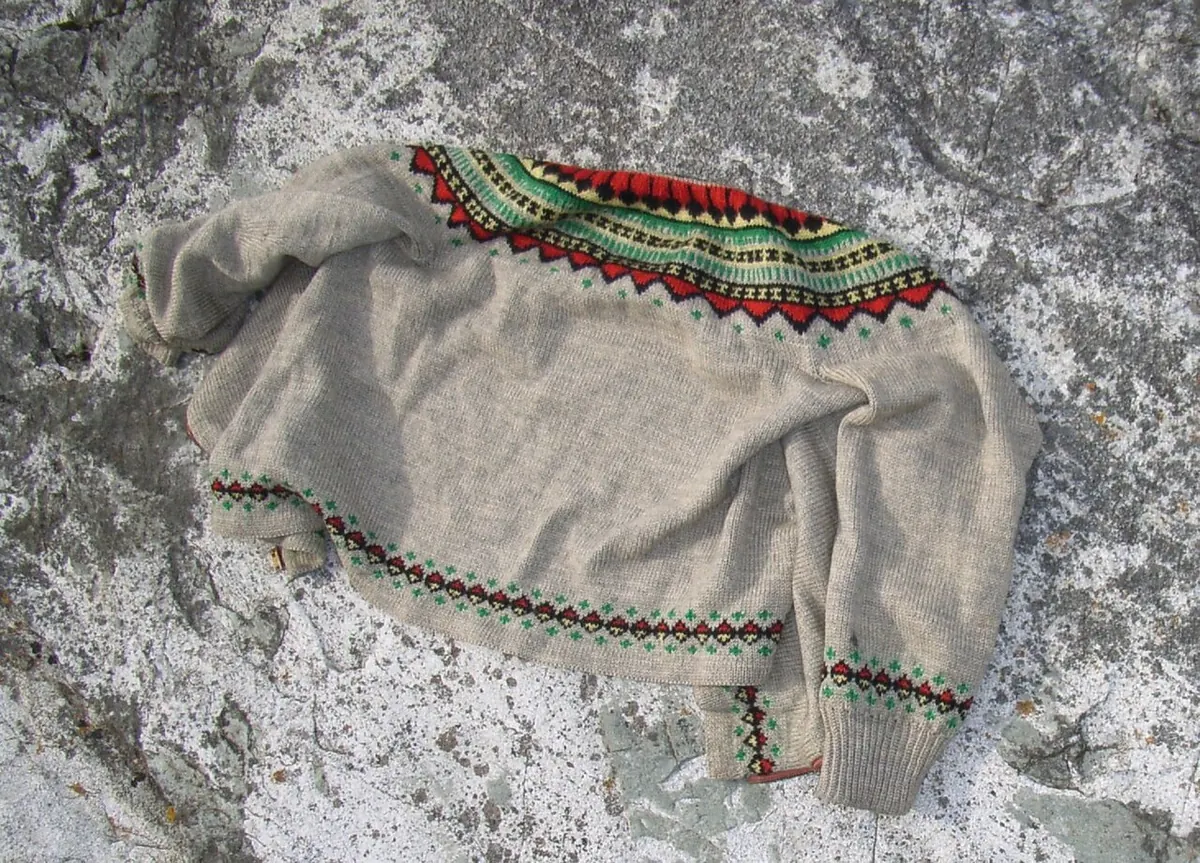
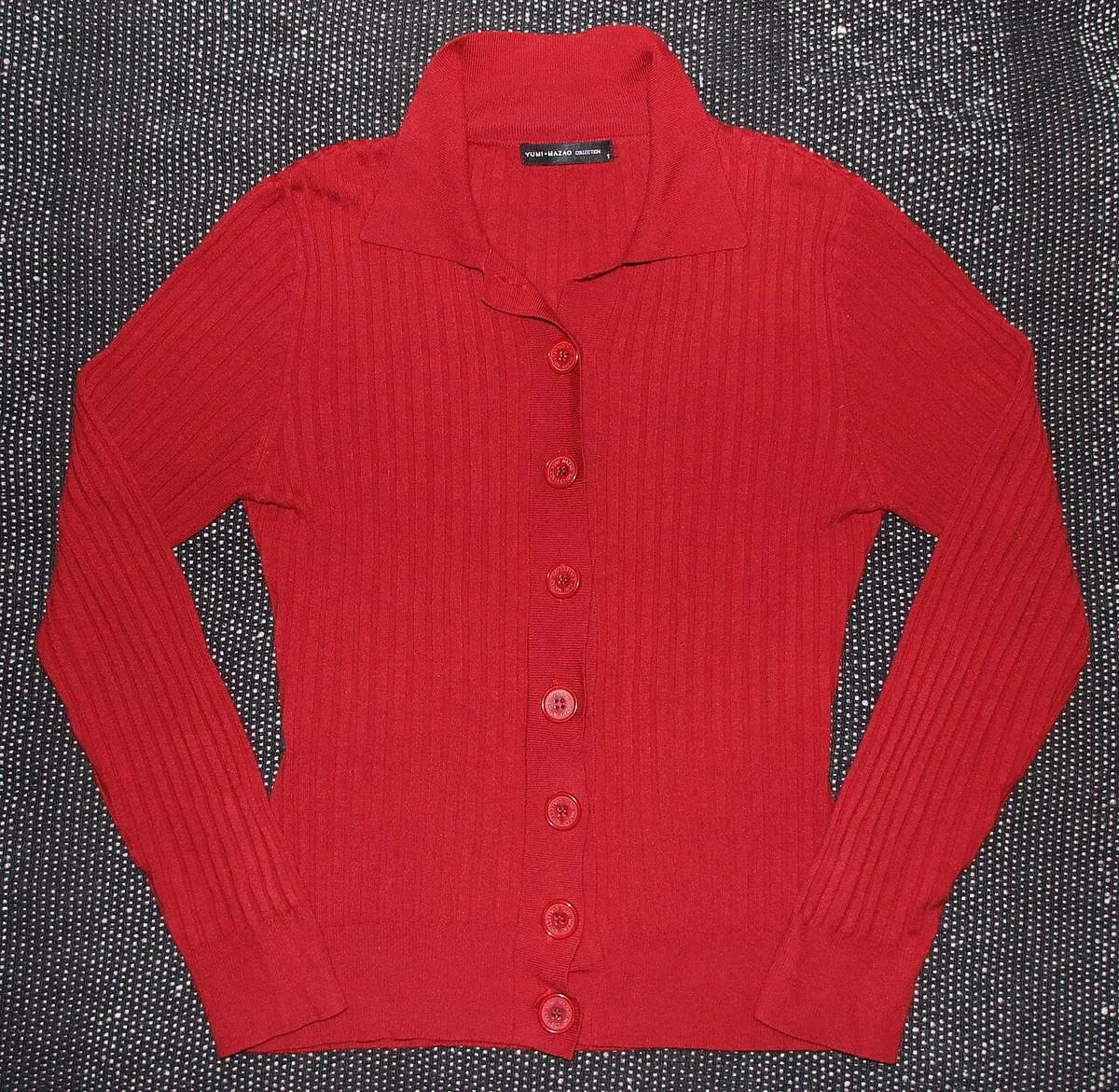
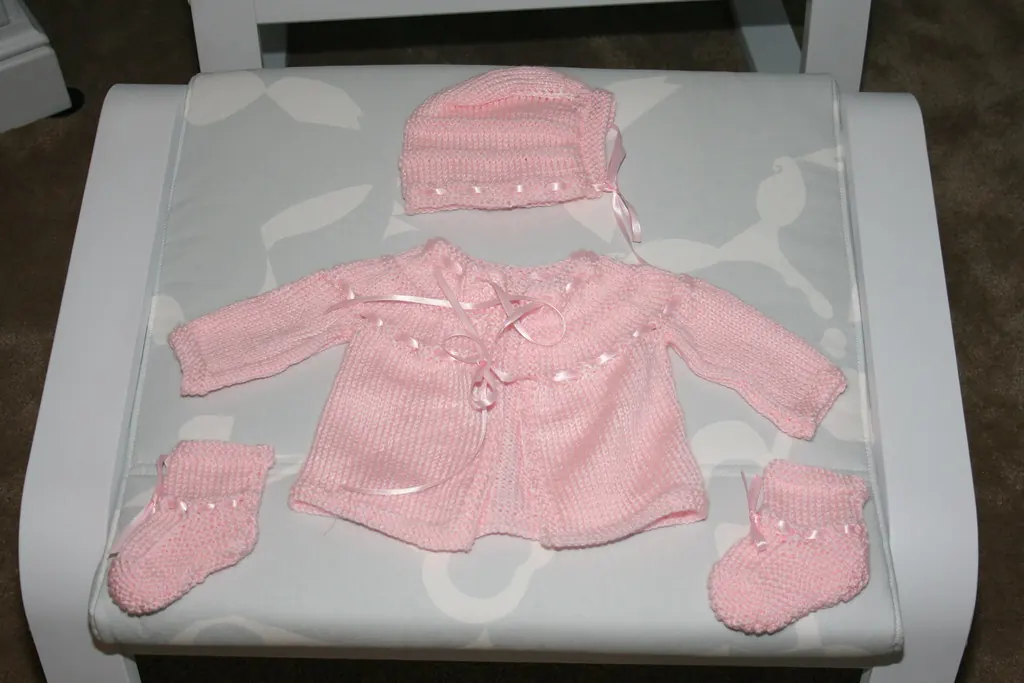
A flat-knit jumper is a sweater knitted on a flat, or V-bed, machine: two needle beds set in an upside-down V, with a carriage that selects needles to knit, tuck or transfer stitches. Panels are shaped as they are knitted instead of being cut from fabric. Jumper is the British word for the same garment.
The route behind a jumper sets its finish and its cost: hand flat or computerised, fully fashioned, knitted in one piece, or cut and sewn. Roptan names the route in the brief, matches it to a verified seller that runs that route, and checks weight, linking and measurements before shipment.
How to brief a flat-knit jumper manufacturer in Bangladesh
- Construction route
- Fully fashioned, complete garment or cut and sew, and whether joins are linked or sewn. The route changes finish, cost and, in some markets, the origin rule.
- Gauge convention
- Gauge is usually needles per inch, but one class of fully fashioned machine is gauged over 1.5 inches. Ask which convention a quote uses before comparing two units.
- Sample weight
- Approve a sample weight for each size. With no fabric stage, the yarn line of the quote is costed from that weight.
- Yarn and linking yarn
- Fibre, count and count system. If the knitting yarn is a fancy yarn too weak or thin to link with, agree a regular cotton, acrylic, polyester or wool linking yarn.
- Stitch and pattern
- Plain, rib, cable or jacquard, with a chart for patterns. Flat machines knit, tuck or transfer stitch by stitch, so complex designs are possible but take machine time.
Tests for flat-knit jumpers
- ISO 13938-2
- Bursting strength and bursting distension by the pneumatic method, applicable to knitted fabrics. Agree a minimum for fine or loosely knitted styles.
- ISO 12945-2 and ISO 12945-1
- Pilling, fuzzing and matting, by the modified Martindale method or the pilling box. Set the method and minimum result in the order.
- ISO 5077 and ISO 6330
- Dimensional change after washing and drying at your care-label programme, with garments marked and measured to ISO 3759.
Lead times and delivery
Dates depend on the route and the machine. Hand flat machines run slower than computerised ones, so the same style can take longer on them, and complete-garment styles need a unit with that machine. After lab dip and sample approval, panels are knitted, linked, light checked, mended and pressed. Roptan confirms sample and bulk dates, the route and machine type, and the minimum order in the quote.
Jumpers are steam pressed, set to size on templates, left to dry, then folded, tagged and bagged. For buyers in Bangladesh, Roptan delivers with a packing list, inspection report and VAT invoice (Mushak 6.3). Stored through the June to September monsoon, knitwear can take up damp and may mould, so plan delivery soon after packing.
Buying flat-knit jumpers for export
Flat-knit jumpers fall under HS heading 6110, split by fibre at six digits. In the UK's DCTS origin rules, garments assembled from two or more knitted pieces, cut or knitted to form, follow a different rule from other knitwear, so give your broker the construction route. Quotes are FOB Chattogram, with invoice, packing list, bill of lading and test reports.
Questions buyers ask
Is a flat-knit jumper the same as a sweater?
Yes. Jumper is the British word for a sweater or pullover, and flat-knit says how it is made: on a V-bed flat machine, with panels shaped as they are knitted. Fully cut knitwear usually starts from circular-knitted fabric instead.
Does it matter whether a unit uses hand flat or computerised machines?
It can. Hand-operated flat machines are still widely used, even in large units, but they run slower. Computerised flat jacquard machines select needles automatically for complex patterns. Ask which machine your style runs on, since it affects capacity, pattern options and dates.
Can a jumper be knitted in one piece?
Yes, by complete-garment knitting: the machine knits a three-dimensional garment on two needle beds, so the finished jumper has no seams and no seam allowances. Other fully fashioned jumpers are knitted as shaped panels and then joined on linking machines.
How is the weight of a flat-knit jumper kept on target?
At the machine. Weight follows the number of needles and courses in each panel, so a unit corrects weight and measurements by adjusting those counts, and changes tension only as a last resort. Ask how a variance was corrected, as well as checking the weight.
How soon will I hear back about sweaters and knitwear?
Within 48 hours of a complete requirement, with a price and a delivery date. A requirement is complete when it has the quantity, where it is needed and by when.
Who do I deal with?
With Roptan, when Roptan manages the order: we buy from the verified seller and deliver to you. With the supplier directly, when you post on the requirement board and choose a quote yourself.