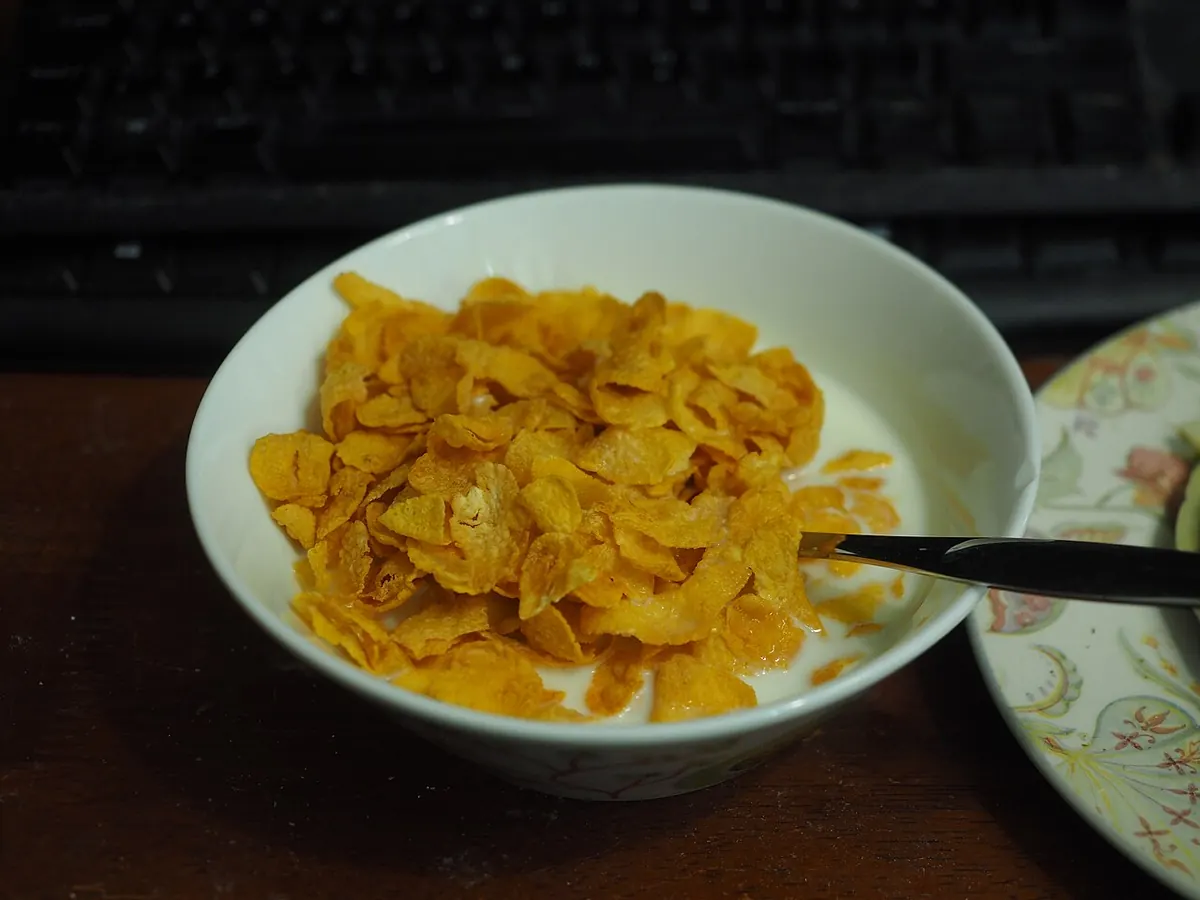
Buying puffed rice in Bangladesh
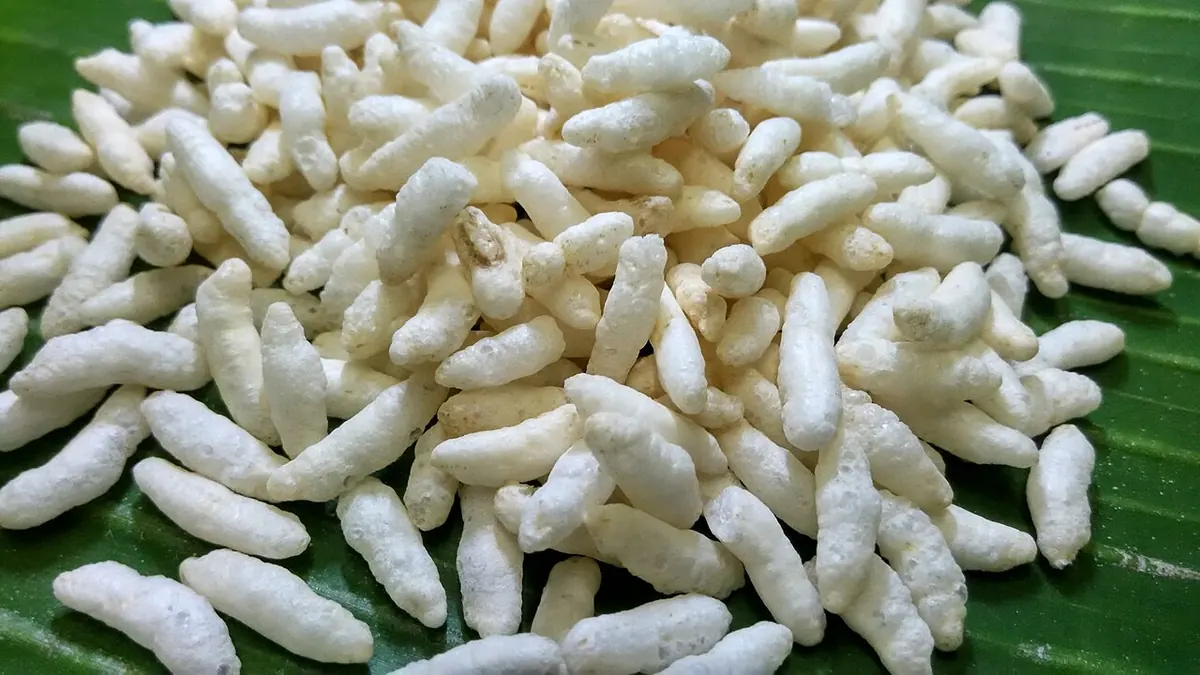
Muri is parboiled rice puffed by heat, traditionally in preheated sand or salt, where the grain swells in under a minute. In Bangladesh it is eaten plain, mixed into jhal muri with chanachur and mustard oil, shaped with jaggery into murir moa and served at iftar, while gun-puffed and extruded rice go into breakfast cereal.
The risk lies in what goes into the rice before the heat: urea and whitening agents have been found in muri, as enforcement cases and press reports show. A puffed rice manufacturer in Bangladesh needs a BSTI licence for muri. Roptan books licensed mills, names the forbidden additives in the order, has each lot tested and checks the bags.
How to brief a puffed rice manufacturer in Bangladesh
- Rice, parboiling and route
- Name the rice variety, whether it is parboiled, the puffing route and the puffed volume you expect, since the rice and the parboiling change how far it expands.
- Salt
- Plain or salted, and a salt figure per 100 g if salted, so the nutrition panel matches what is in the bag.
- Forbidden additives
- State that no urea, bleaching or whitening agent may be used, and that a lab test for urea and sulphite will be run on the lot.
- Moisture and bag
- Moisture-proof packing is critical to shelf life. Specify a sealed moisture-barrier bag, a moisture figure on the lot and a crispness check against the sample.
- Weight and volume
- Puffed rice keeps the grain's shape but is much larger, so give net weight and bag or carton size together, and price freight on volume.
Licences and tests for puffed rice
- BDS 1796:2008, Muri (puffed rice)
- Muri is on BSTI's mandatory certification list under BDS 1796:2008, so a seller of packed muri needs a Certification Marks licence for it.
- BSTI Act 2018, Section 30
- BSS reported that in August 2026 a BSTI mobile court in Nilphamari fined a puffed rice mill under this section for falsely claiming a BSTI certificate.
- Urea and sulphite test
- The test that answers the known risk: an accredited lab checks the lot for urea and sulphite before it ships.
- Labels
- The Packaged Food Labelling Regulations 2017 are in force; BFSA's 2026 rule is still a draft. EU-bound bags need a nutrition panel, required there since 13 December 2016.
Lead times and delivery
Plain muri from a running line moves fastest. A new pack, private label film or a cereal-grade puff adds sampling and approval, and the lab test on each lot adds time before dispatch. Demand usually rises in Ramadan, so book early for iftar stock. Roptan confirms the dates and the minimum in the quote.
Roptan delivers muri anywhere in Bangladesh by the carton, to distributors, shops, caterers and iftar buyers, with batch codes, the urea and sulphite report and a VAT invoice (Mushak 6.3). Muri softens once it gets damp, so cartons travel covered and are not stacked under heavy goods.
Buying puffed rice for export
EPB records puffed rice under the cereal-preparations heading, which also holds corn flakes and other puffed cereals; your broker confirms the code. US importers must verify suppliers under the FDA's FSVP rule, so expect to show a food safety plan and proof that no urea or forbidden additive is used. Roptan quotes FOB Chattogram.
Questions buyers ask
How do I know the muri has no urea?
Ask for a lab test for urea and sulphite on your lot from an accredited lab, and visit the mill. Press reports of BFSA's 2024-25 testing say puffed rice from nine districts, including Rangpur and Barisal, tested positive for urea, so a plant statement is not enough.
Why does one mill's muri puff bigger than another's?
FAO notes that with parboiled milled rice the puffed volume rises with the severity of parboiling, that waxy rice puffs highest and that more protein means less expansion. So the rice and the parboiling matter as much as the heat. Name the rice and approve a sample.
How long does muri stay crisp?
As long as it stays dry. FAO calls moisture-proof packaging critical to the shelf life of puffed rice. Ask for a sealed barrier bag, check the seals on arrival and keep cartons off damp floors.
When should we order muri for Ramadan 2027?
Ramadan 2027 is expected from about 8 February to 8 March, subject to moon sighting, and muri is an iftar staple. Book and approve samples before the end of 2026, so the lot can be tested and delivered before the month begins.
How soon will I hear back about noodles and snacks?
Within 48 hours of a complete requirement, with a price and a delivery date. A requirement is complete when it has the quantity, where it is needed and by when.
Who do I deal with?
With Roptan, when Roptan manages the order: we buy from the verified seller and deliver to you. With the supplier directly, when you post on the requirement board and choose a quote yourself.