Buying breakfast cereal in Bangladesh
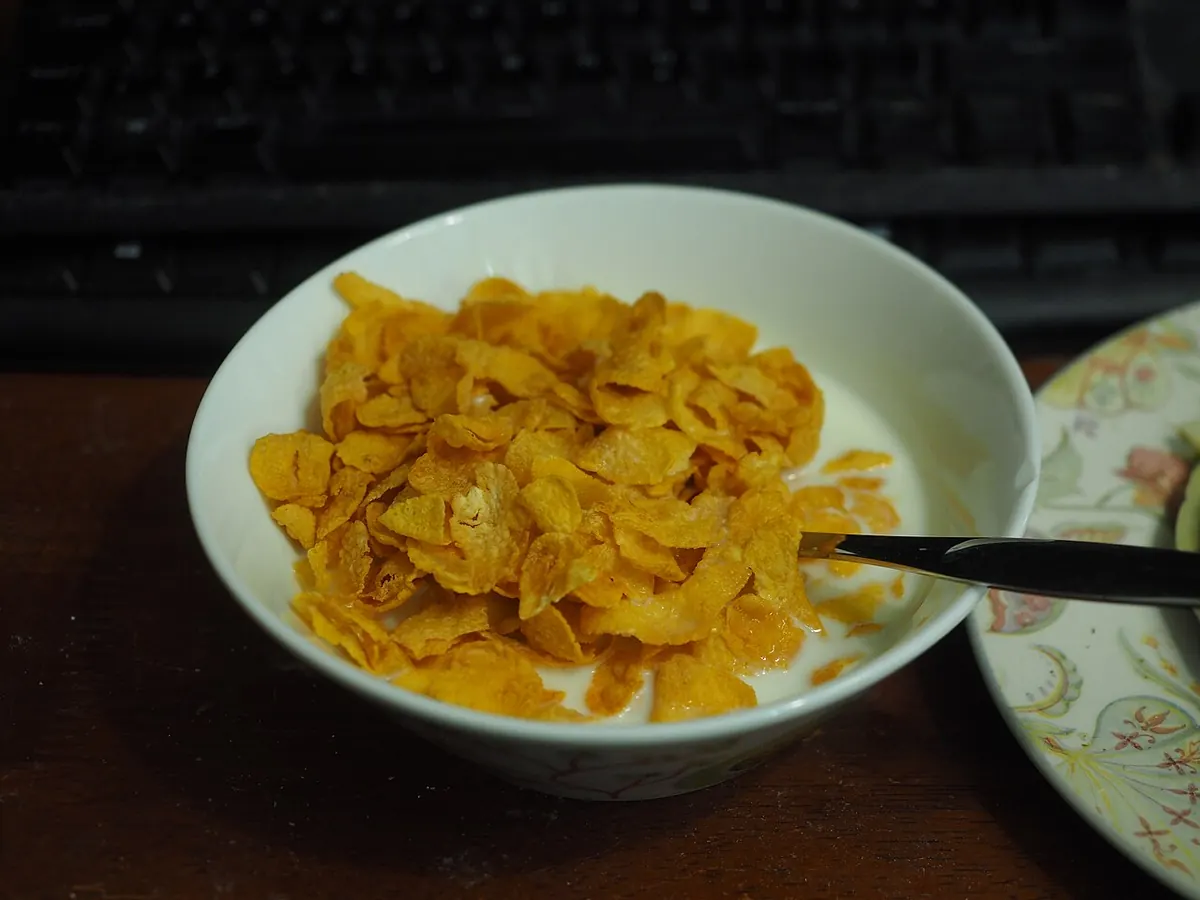
Breakfast cereals are processed grain foods eaten at breakfast or as a snack: toasted corn flakes, gun-puffed or extruded puffs, granola baked with oil and sweetener, muesli mixed without cooking, and rolled oats. Many are made by extrusion. Buyers order them to their own specification, under the plant's brand or their own label.
Cereal loses its crunch once it takes up moisture, and toasting and puffing raise acrylamide, so the order must fix moisture, liner and grain as well as taste. A breakfast cereal manufacturer in Bangladesh needs a BSTI licence for corn flakes or oats. Roptan sources from verified, licensed plants, checks bowl life and moisture, and has the lot tested.
How to brief a breakfast cereal manufacturer in Bangladesh
- Kind and main grain
- Name the kind, the grain (maize, rice, wheat or oats) and whether it is whole grain, since maize and rice cereals tend to carry less acrylamide.
- Moisture and bowl life
- A finished moisture maximum and a bowl-life target, meaning how long the cereal stays crisp in milk, plus flake or puff size and toast colour against a signed sample.
- Liner and carton
- The inner bag barrier, a seal test and a shelf-life study at tropical temperature, since moisture-proof packing decides shelf life.
- Sugar and when it goes in
- Total sugars per 100 g, and when sugar, glucose or honey is added: reducing sugars added before heating can raise acrylamide.
- Fortification
- Each vitamin and mineral, its dose per 100 g and the form of iron, with a lab result that matches the label.
Licences, rules and tests for breakfast cereal
- BDS 1957:2018 and BDS 1960:2019
- BSTI's mandatory lines for corn flakes and for oats. No muesli or granola line appears on the list, so ask which licence the plant holds for your product.
- Regulation (EU) 2017/2158
- Covers ready-to-eat breakfast cereals, with lower benchmark levels for maize, oat, spelt, barley and rice cereals than for wheat, rye, bran, whole grain and gun-puffed ones. Benchmarks, not legal limits.
- Allergen labels
- Gluten cereals, milk, nuts, sesame and soy are declared allergens in the EU, the US or BFSA's draft labelling text. Granola and muesli with nuts need nut wording.
- Labels in Bangladesh
- The Packaged Food Labelling Regulations 2017 are in force; BFSA's 2026 labelling rule is still a draft.
Lead times and delivery
The more that is new, the longer it takes. A plant's existing cereal in its own carton moves fastest; a new recipe needs trial runs and bowl-life checks, fortification a premix and a lab result, private label printed cartons and liners, and EU orders acrylamide tests. Roptan confirms the dates and the minimum in the quote.
Roptan delivers cereal anywhere in Bangladesh by the case, with batch codes, the lab reports you ordered and a VAT invoice (Mushak 6.3). Cases travel covered and stay off damp floors, since moisture that gets past a weak liner ends bowl life.
Buying breakfast cereal for export
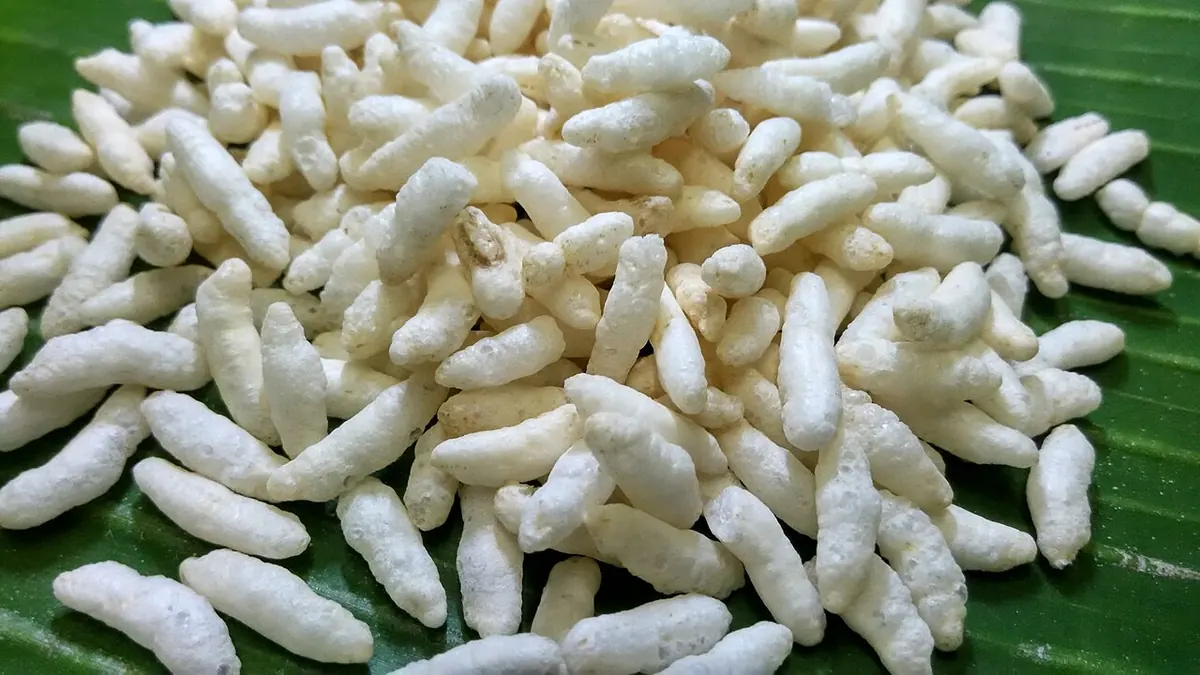
EPB records cereals under the cereal-preparations heading, together with puffed rice. In the UK tariff, flakes and puffed cereals sit under 1904 10 and muesli-type mixes under 1904 20, so your broker confirms the code. EU buyers usually ask for acrylamide results on toasted and puffed lines, and US importers verify suppliers under the FDA's FSVP rule. Roptan quotes FOB Chattogram.
Questions buyers ask
Is muesli covered by the EU acrylamide rules for cereal?
No. Porridge, muesli, rolled flakes such as rolled oats, and oatmeal fall outside the EU breakfast cereal category. General food safety, labelling and allergen rules still apply, so a muesli with nuts still needs nut wording.
What is bowl life?
The time a cereal keeps its texture and crispness in milk while it is eaten. Moisture shortens it, so set a finished moisture maximum, ask for a sealed liner, and judge bowl life on production samples against the approved one.
Can the cereal be fortified?
Yes. Breakfast cereals are usually enriched with B vitamins and minerals, particularly iron. State each nutrient, its dose per 100 g and the form of iron, and ask for a lab result on the lot so the label matches what is in the box.
Why do toasted cereals need an acrylamide test?
Toasting and gun puffing are high-temperature steps, and the EU guidance says cereals made that way contain higher levels of acrylamide. Reducing sugars such as glucose or honey added before heating can add to it. EU importers usually work to the benchmark levels, so expect to provide a lab result.
How soon will I hear back about noodles and snacks?
Within 48 hours of a complete requirement, with a price and a delivery date. A requirement is complete when it has the quantity, where it is needed and by when.
Who do I deal with?
With Roptan, when Roptan manages the order: we buy from the verified seller and deliver to you. With the supplier directly, when you post on the requirement board and choose a quote yourself.