Managed sourcing from Bangladesh, for export and for buyers at home
Get it sourced

Food and agro · Vegetables and fruits

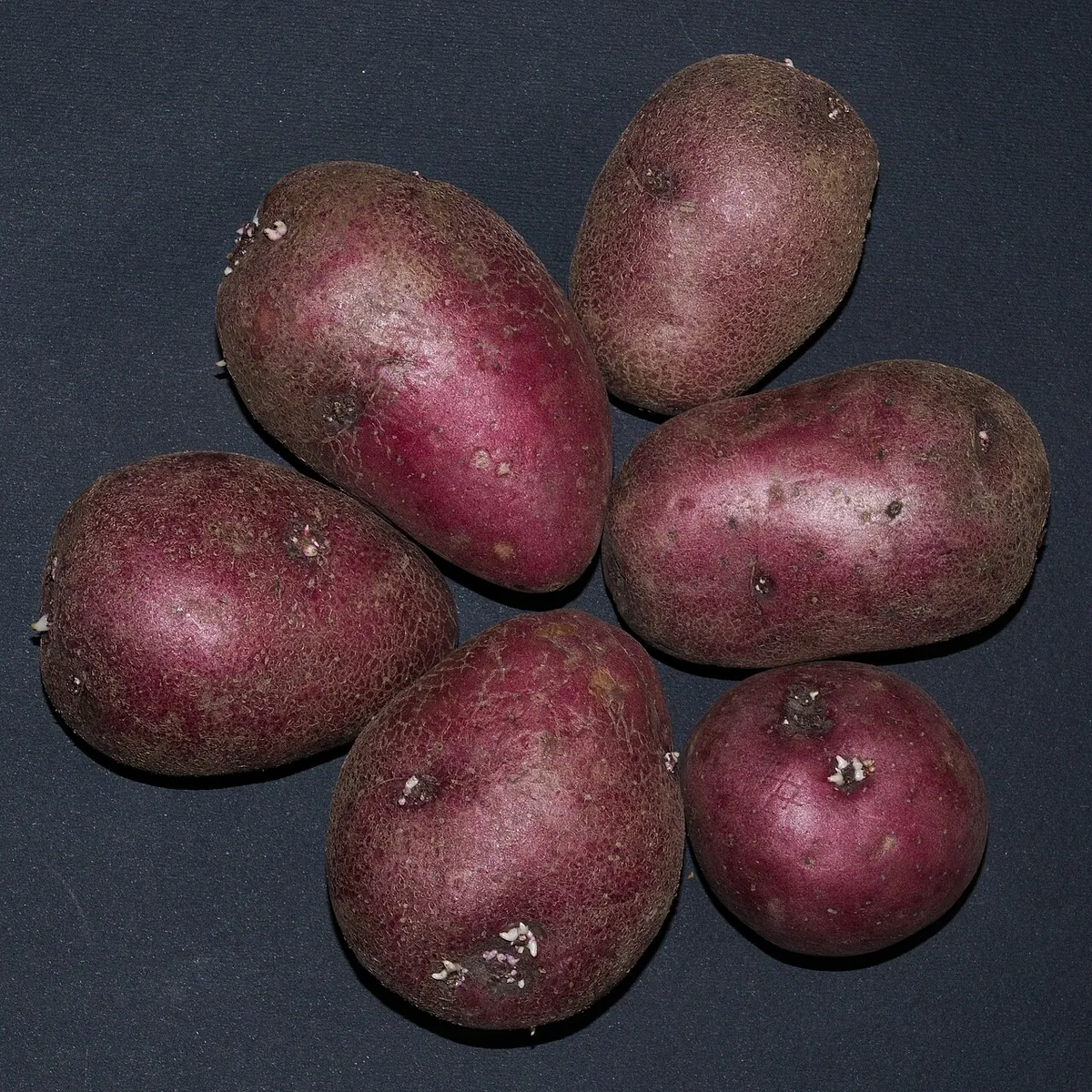
Potato exporter in Bangladesh

Buy through Roptan, your potato exporter in Bangladesh. Give the end use, size band, defect limits and container count: we source from a verified seller and cold store, check the tubers and the papers, and ship FOB Chattogram.

  • Verified sellers
  • Checked before it ships
  • Delivered by Roptan

Get potatoes sourced

Prefer to deal with suppliers yourself? Post it on the requirement board

Buying potatoes in Bangladesh

Bangladesh grows far more potatoes than it eats, more than 10 million tonnes a year in recent years, so cold-stored stock is offered for export through much of the year. Fresh tubers ship under HS 0701; potato flakes, flour and meal are a separate trade under HS 1105. Buyers include importers, wholesalers and processors abroad, and food makers at home.

A potato exporter in Bangladesh is judged on disease, storage and honest papers more than on price. Roptan sources from verified sellers and cold stores, writes the size, defects and store temperature into the order, has tubers cut and checked before loading and follows the container to Chattogram.
Kinds of potato for export

Table potatoes

Sold whole for home and restaurant cooking, chosen by size, skin colour and freedom from defects. Kept in store at 7 to 10 °C so they do not sweeten.

Floury potatoes

Higher in starch, usually about 20 to 22%, with a dry, mealy texture. Choose them for baking, mashing and frying.

Waxy potatoes

Lower in starch, usually about 16 to 18%, so they hold their shape when boiled. Choose them for salads, curries and boiled dishes.

Processing potatoes

For fries and crisps, bought on sugar and dry matter as well as size. Frying stock is usually stored at 10 to 15 °C and chipping stock at 15 to 20 °C.

Potato flakes and flour

Dried products under HS 1105, a small trade of their own. Buyers set dry-matter and sugar figures rather than the size bands used for fresh tubers.

How to brief a potato exporter in Bangladesh

End use
Table, frying, chipping or flakes. The end use sets the type, the store temperature and the tests, so state it first.
Size band
Give a minimum and maximum in millimetres. A USDA potato grade, for example, sets a 1-7/8 inch minimum, about 48 mm; that is a US rule, not a Bangladeshi one.
Disease and defects
List what is not allowed: brown rot, ring rot, soft rot, late blight, blackheart and freezing damage, plus green skin and sprouts, with a tolerance for each.
Storage history
Ask how long the lot has been in store, at what temperature, and whether a sprout inhibitor was used. Cured potatoes are kept at 95 to 99% humidity to limit shrink.
Transit temperature
Match the container setting to the end use. Below about 4 °C sugars build up and do not reverse, and potatoes freeze at about -1 °C.
Pack
Dark, ventilated packing and storage, since light turns the skin green. State net weight per bag and the marks you need.

Plant health papers and residue tests for potatoes

Phytosanitary certificate
Issued by the Plant Quarantine Wing of DAE through its online portal, under IPPC's ISPM 12 and ISPM 7. Only an authorised officer can sign it.
ISPM 15 and heat treatment
Wooden crates and pallets must be heat treated or fumigated and marked. Since 15 February 2026 the portal asks for the treatment provider's details with each application.
EN 15662:2018
The European multimethod for pesticide residues in plant foods. Ask that the lab report cites it or an equivalent, with your lot number on it.
Your market's residue limits
The European Commission sets EU maximum residue levels for all food and feed; other markets keep their own lists. Name the list in the order.

What moves the price of potatoes

  • The home crop: a large, cheap harvest frees more stock for export, a short one pulls it back.
  • Time in cold store: storage costs build up through the months after harvest.
  • Grade: a narrow size band and tight defect limits mean more tubers sorted out.
  • Haulage from the growing districts to Chattogram, plus container and freight costs.
  • Lab tests for residues and, for processing lots, sugar and dry matter.

Lead times and delivery

Fresh potatoes ship from the new crop and then out of cold store, so timing depends on how much sound stock sellers hold and on how the crop went that year. Grading, lab tests, the phytosanitary inspection and container booking each add time. No typical figure is given here: Roptan confirms the dates and the minimum order in the quote.

Inside Bangladesh, Roptan delivers to processors, food makers and wholesalers in covered trucks, with bags kept out of the sun. You receive a packing list, the lab reports you ordered and a VAT invoice (Mushak 6.3). Rot, greening or short weight found on arrival is recorded and taken up with the seller.

Buying potatoes for export

Potatoes usually travel by sea in air-conditioned containers, quoted FOB Chattogram (Chittagong). Documents: commercial invoice, packing list, bill of lading, phytosanitary certificate, certificate of origin or a REX statement for EU GSP, and the residue report for the lot. The seller must hold a current ERC.

What we check for this order

  • Cut tubers for rotWe have sample tubers cut for brown rot, ring rot and soft rot, and ask about seed source, field history and irrigation water.
  • Greening and sproutsGreen skin and sprouts are checked at loading, since light-exposed tubers can carry solanine and buyers reject them.
  • Cold store recordWe read the store's temperature log and storage time against your end use, and for processing lots ask for a fry test.
  • Certificate checkWe check the phytosanitary certificate on the Plant Quarantine Wing's portal and match it, and the residue report, to the container.

Questions buyers ask

Is brown rot still a concern with Bangladeshi potatoes?

Yes, and buyers remember it. In May 2015 one importing market stopped buying Bangladeshi potatoes over Ralstonia, the bacterium behind brown rot, after containers packed for that market were found full of infested tubers. The lesson is that disease freedom and honest certification matter more than price, so we cut tubers and verify the certificate on every lot.

At what temperature should potatoes travel?

It depends on use. USDA's storage handbook gives 7 to 10 °C for table potatoes, 10 to 15 °C for frying and 15 to 20 °C for chipping. Colder than about 4 °C, sugars build up that do not reverse and darken on cooking.

Which size grade should I ask for?

Your own, in millimetres, with defect limits. Some buyers borrow the USDA grade's 1-7/8 inch minimum, but that is a US rule, so write the band you want into the order.

Can you supply potato flakes or flour?

Yes, as a separate product under HS 1105. Send your dry-matter, sugar and particle requirements and the pack, and we confirm with verified processors before quoting.

How soon will I hear back about vegetables and fruits?

Within 48 hours of a complete requirement, with a price and a delivery date. A requirement is complete when it has the quantity, where it is needed and by when.

Who do I deal with?

With Roptan, when Roptan manages the order: we buy from the verified seller and deliver to you. With the supplier directly, when you post on the requirement board and choose a quote yourself.

Other vegetable and fruit products

Each product type has its own page as it is published; until then its card opens the category form.

All vegetables and fruits