Buying cabbage and cauliflower in Bangladesh
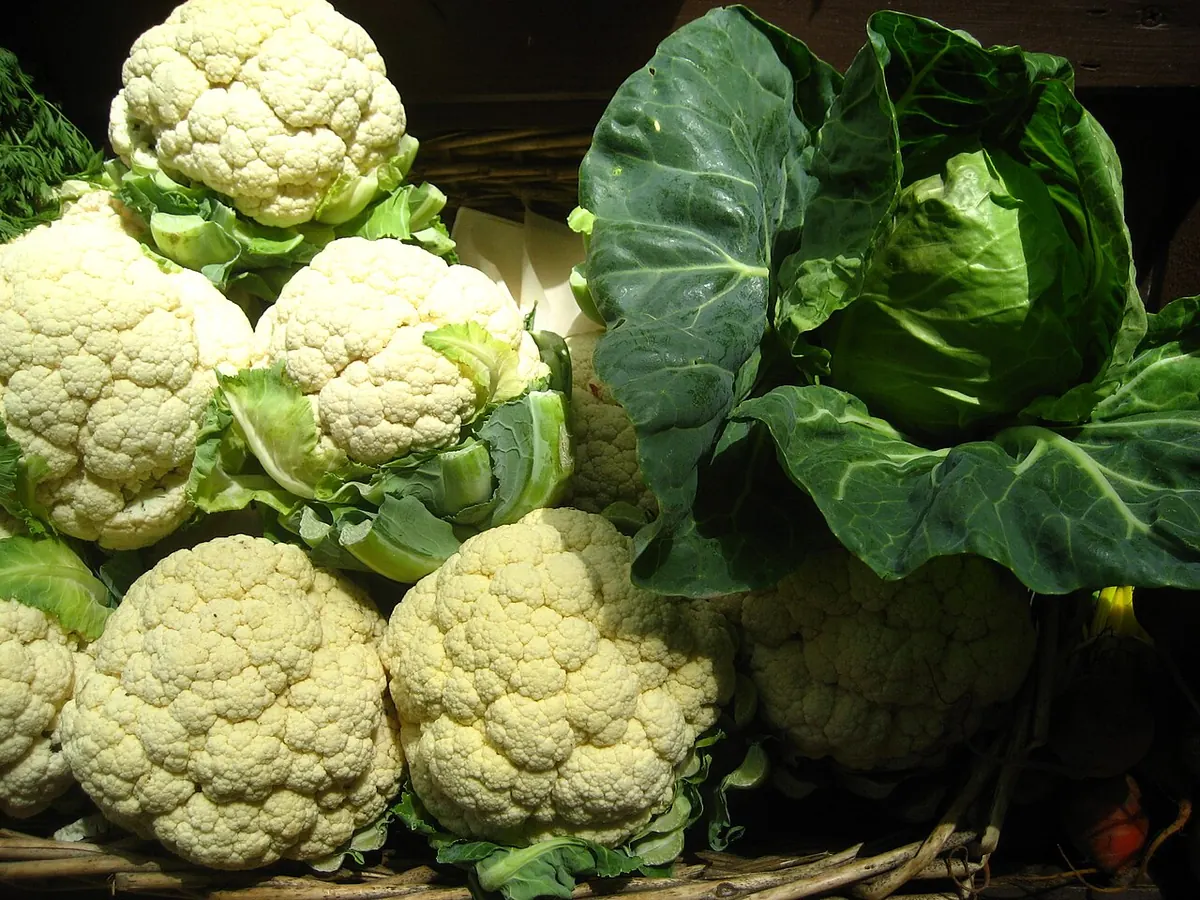
Cabbage and cauliflower are brassicas that EPB records together under HS 0704, with kohlrabi and kale. Cabbage is much the larger export and travels by sea; cauliflower is a smaller, more delicate line. Buyers abroad are importers, wholesalers and restaurants, and at home supermarkets, hotels and caterers.
A cabbage and cauliflower exporter in Bangladesh has to fight heat from the field onward. Roptan sources from traceable farms and packhouses, writes the head size, trim and temperature into the order, checks for caterpillar damage and residues, and follows each container to Chattogram.
How to brief a cabbage and cauliflower exporter in Bangladesh
- Crop and cultivar
- Cabbage or cauliflower, early or late cultivar, and curd colour. The cultivar sets how long cabbage keeps, which matters on a sea route.
- Head weight and trim
- A head weight band, and three to six wrapper leaves left on the head, as USDA's storage handbook advises. Loose leaves are trimmed off because they block air between heads.
- Temperature and humidity
- Cabbage at 0 °C and 98 to 100% humidity; at -1 °C it may freeze. Cauliflower at 0 °C and 95 to 98%, with no free water on the curd.
- Cooling after harvest
- Morning harvest, shade, then forced-air cooling as soon as possible. A truck cannot do the first cooling, since trailers lack the airflow.
- Load partners
- Cauliflower is very sensitive to ethylene, which yellows leaves and discolours curds, so keep fruit such as mango out of its compartment.
- Pack and marks
- Carton type, heads or kilos per carton, film wrap or not, and the labels your market requires.
Plant health papers and residue tests
- Phytosanitary certificate
- Issued by the Plant Quarantine Wing of DAE through its online portal, under IPPC's ISPM 12 and ISPM 7. Only an authorised officer may sign it.
- Your market's import rules
- An importing market may apply marketing standards for quality and labelling, and a risk category that decides whether a certificate and advance notice are needed. Ask your import agent which applies.
- EN 15662:2018
- The European multimethod for pesticide residues in plant foods. The result is read against your market's limits; for the EU, the European Commission sets them.
- HS 0704
- Cabbage and cauliflower share this line. The Plant Quarantine Wing's portal wants the exact code per product, and a wrong one can delay a shipment.
Lead times and delivery
No typical lead time is given here. Supply follows the crop season, and cabbage can wait in cold storage while cauliflower has to move within weeks. Pre-cooling, residue tests, the phytosanitary inspection and reefer booking all sit between harvest and sailing. Roptan confirms the dates and the minimum order in the quote.
Inside Bangladesh, Roptan delivers to supermarkets, hotels, caterers and processors in ventilated cartons or crates, kept cool on the way. You receive a packing list, the residue reports you ordered and a VAT invoice (Mushak 6.3). Yellowing, spotted curds or rot found on arrival are recorded and taken up with the seller.
Buying cabbage and cauliflower for export
Cabbage usually travels by sea in air-conditioned containers, quoted FOB Chattogram (Chittagong). Cauliflower keeps for weeks, not months, so transit time decides whether it can share a container or must fly. Documents: commercial invoice, packing list, bill of lading or air waybill, phytosanitary certificate, certificate of origin or REX statement, and residue reports.
Questions buyers ask
Can cabbage and cauliflower share a container?
Yes. Both keep at 0 °C and high humidity, and cauliflower is not chilling sensitive. Do not add okra or gourds, which need warmer air, or ripening fruit, since cauliflower reacts badly to ethylene.
How long does cauliflower keep?
About three weeks or more at 0 °C and 95 to 98% humidity, depending on its quality at harvest. At 5 °C it lasts about 7 to 10 days, at 10 °C about 5 days. Loss shows as wilting, browning, spreading curds and yellow leaves.
Why leave wrapper leaves on the cabbage?
USDA's storage handbook says to leave only three to six wrapper leaves on the head; they shield it in handling and transit. Loose outer leaves are trimmed, because they block the cold air moving between heads in a carton or bin.
Do you test cabbage for pesticide residues?
Yes, per lot. Diamondback moth has become resistant to many common pesticides, so brassicas can be heavily sprayed. Residue results also decide clearance: the Chattogram plant quarantine station says it refuses vegetable consignments over international limits.
How soon will I hear back about vegetables and fruits?
Within 48 hours of a complete requirement, with a price and a delivery date. A requirement is complete when it has the quantity, where it is needed and by when.
Who do I deal with?
With Roptan, when Roptan manages the order: we buy from the verified seller and deliver to you. With the supplier directly, when you post on the requirement board and choose a quote yourself.