Buying brined vegetables in Bangladesh
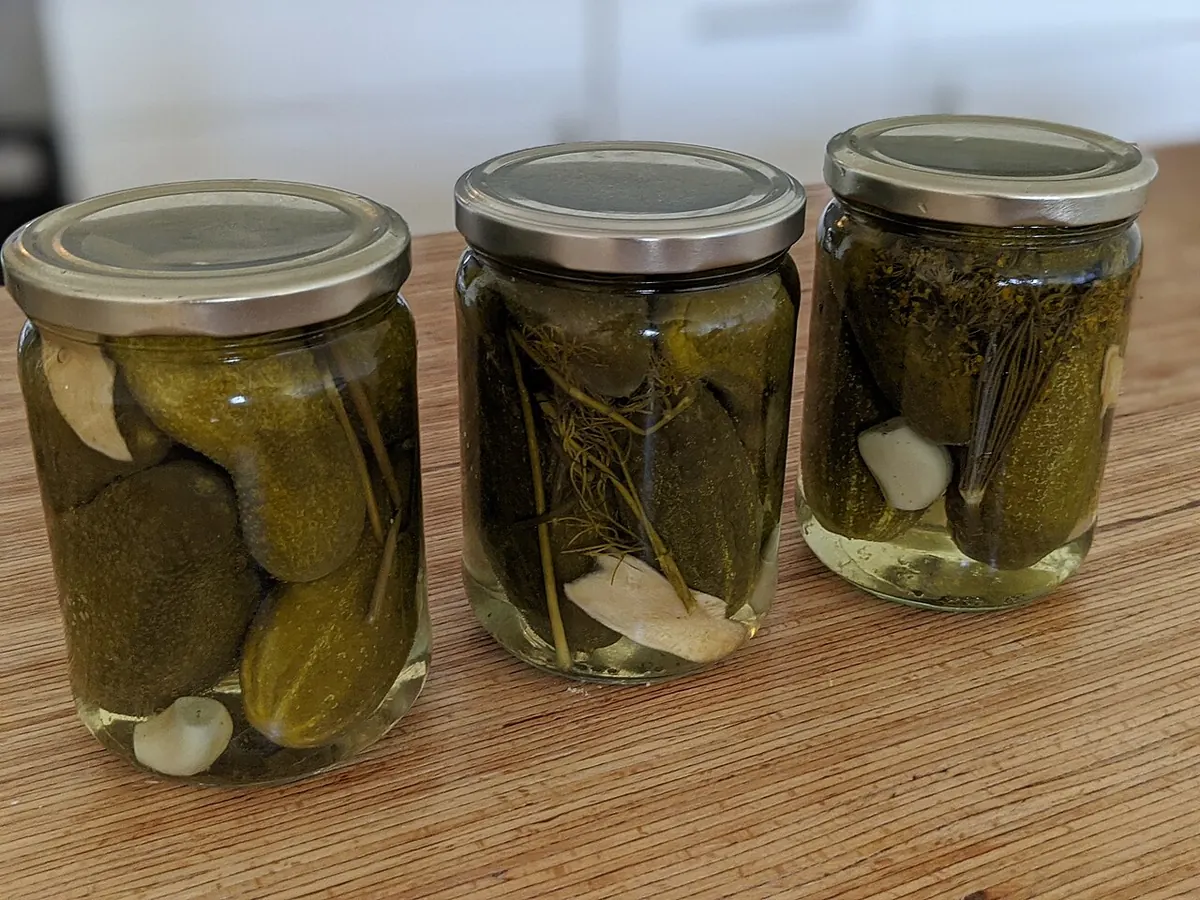
Brined vegetables are a raw material. Vegetable pieces are salted, often fermented, and held in drums until a pickle, relish or sauce maker finishes them to its own recipe. EPB records the trade under HS 0711, vegetables provisionally preserved and not for immediate consumption, a heading that names no crop. Buyers are processors abroad and food makers at home.
A brined vegetable exporter in Bangladesh has to show that the stock stayed salted, covered and cool while it waited. Roptan sources from verified processors, writes salt, acid and piece size into the order, has your lot tested and reads the brine at packing.
How to brief a brined vegetable exporter in Bangladesh
- Vegetable, cut and piece size
- Name the vegetable, whether whole, sliced or diced, and the piece size in millimetres with a tolerance, matched to your finishing line.
- Salt strength and its floor
- State the salt percentage at packing and a floor it must never fall below. The vegetable dilutes the brine, so salt is usually added during storage.
- Acidity
- For fermented stock ask for a pH reading as well as salt. Pickling solutions are typically at pH 4.6 or lower.
- Firming agent and preservatives
- Say whether a firming agent such as calcium chloride, or any preservative besides salt, is allowed. Your market's additive rules decide.
- Drum, fill and seal
- Full drums with every piece under the brine, none floating, a seal you can check on arrival and the net vegetable weight per drum.
- Heat while held
- Too warm a ferment favours unwanted microbes and can darken the colour. In hot months, ask where the drums are stored and how warm it gets.
Certificates, tests and paperwork for brined stock
- EN ISO 22000:2018
- Food safety management for any organisation in the food chain. Ask for a certificate whose scope names the product and the brining site.
- EN 15662:2018
- The European multimethod for pesticide residues in foods of plant origin, by QuEChERS extraction. The lab report should cite it or an equivalent.
- EU maximum residue levels
- The European Commission fixes them for all food and feed, by crop and pesticide, in a public database. EU-bound stock is tested against that list.
- HS code at the Plant Quarantine Wing
- The Wing's online portal asks for the exact HS code per product and warns that a wrong code can delay a shipment. Settle 0711, 2001 or 2005 first.
Lead times and delivery
No typical lead time is given, because it depends on the stock. Pieces already salted and held can ship once tested and packed; stock still to be brined waits for the crop and the cure, and temperature sets how fast a ferment runs. Roptan confirms the dates and the minimum order in the quote.
Inside Bangladesh, Roptan delivers sealed drums to pickle, sauce and food makers, each marked with the lot code and the salt reading at packing. You receive a packing list, the lab reports you ordered and a VAT invoice (Mushak 6.3). Leaking drums or floating pieces are recorded and taken up with the seller.
Buying brined vegetables for export
Drum stock usually travels by sea in dry containers, quoted FOB Chattogram (Chittagong). Documents: commercial invoice, packing list, bill of lading, a certificate of origin or REX statement for EU GSP, the lot's residue report, and any plant health paper your market asks for, filed under the agreed HS code.
Questions buyers ask
Is brined stock the same as pickle?
No. Brined stock is salted, often fermented, and not eaten as shipped: you finish it to your own recipe. Ready-to-eat vegetables in vinegar fall under HS 2001 and other prepared vegetables under 2005. Tell us which you want, since the test plan and paperwork differ.
How strong should the brine be?
Your specification decides. As general practice, FAO's 1998 process bulletin describes brine of about 15 to 20% salt, topped up during storage, and warns that below about 12% the stock can soften and spoil. These are process figures, not a Bangladeshi trade standard.
Why ask for pH as well as salt?
FAO's bulletin notes that spoilage organisms tolerate salt up to about 5 to 7%, so in lightly salted stock it is the lactic acid that holds them back. A drum with low salt and no acid reading is not proven stable.
Which vegetables can you supply in brine?
Tell us the vegetable, cut and size you use. Export records group this trade under one heading without naming crops, so we confirm with verified processors what they can brine for your season, and arrange a sample to desalt and test first.
How soon will I hear back about vegetables and fruits?
Within 48 hours of a complete requirement, with a price and a delivery date. A requirement is complete when it has the quantity, where it is needed and by when.
Who do I deal with?
With Roptan, when Roptan manages the order: we buy from the verified seller and deliver to you. With the supplier directly, when you post on the requirement board and choose a quote yourself.