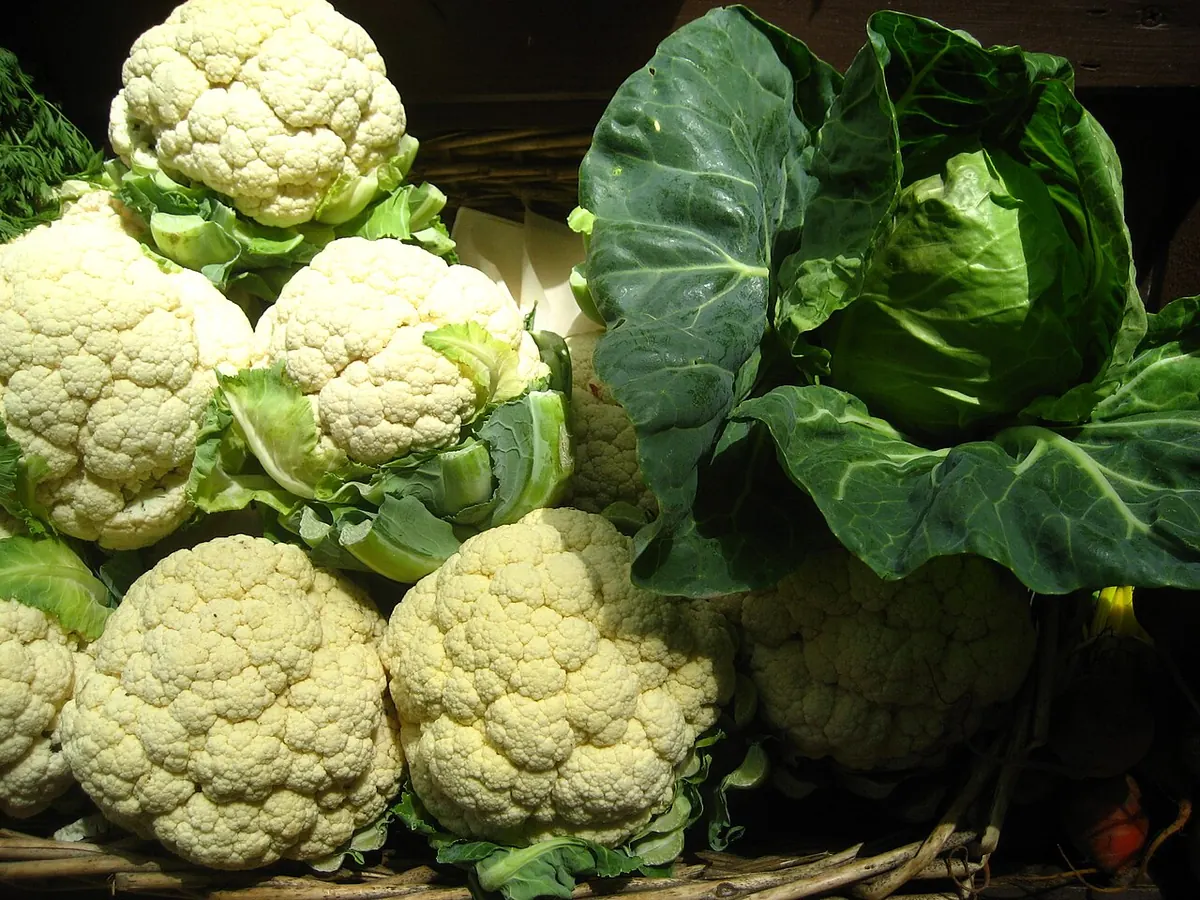
Buying gourds and green vegetables in Bangladesh
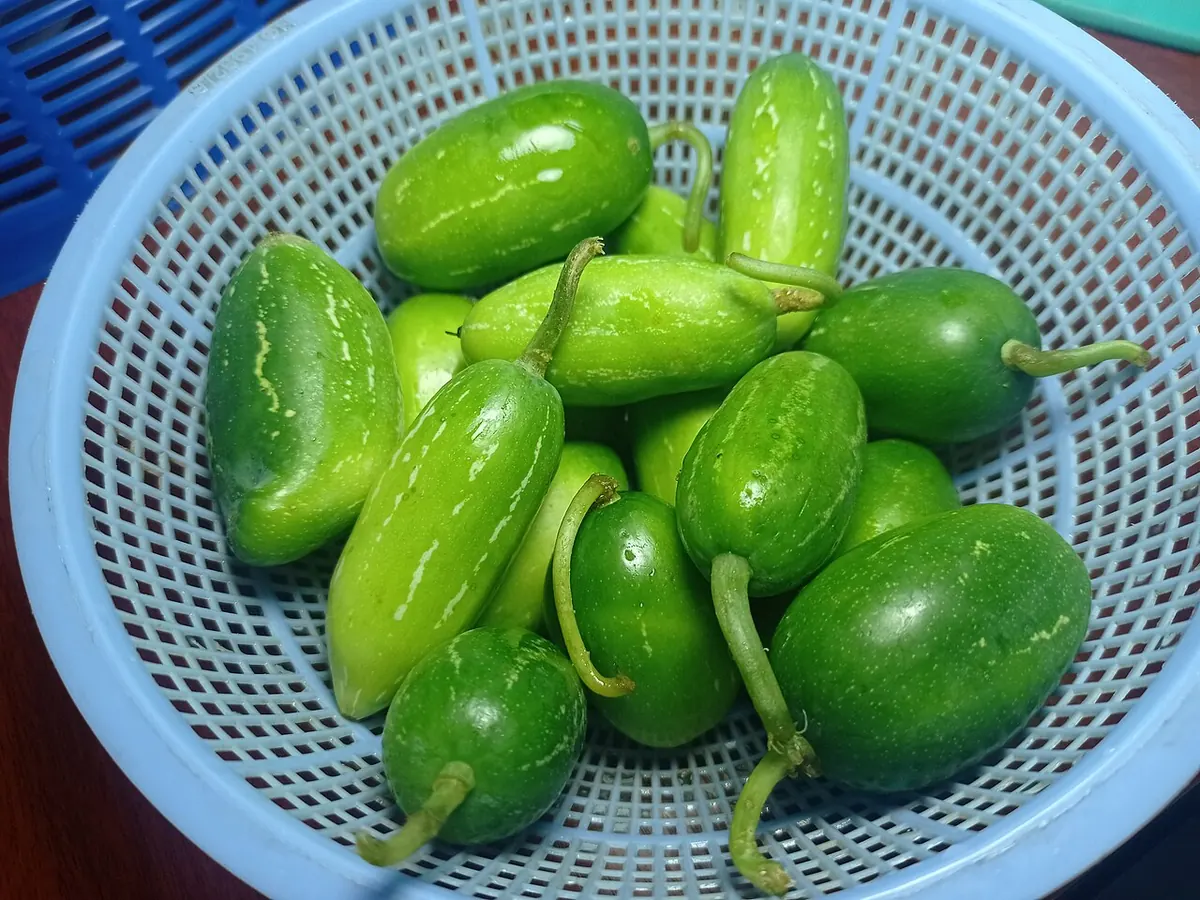
Gourds and green vegetables are the delicate end of Bangladesh's produce trade: bitter gourd, pointed gourd, bottle gourd, okra, long beans, cucumber, aubergine and taro. They have no HS line of their own and fall under HS 0709, other vegetables, fresh or chilled. Buyers are importers, grocers and restaurants abroad, and hotels and caterers at home.
A gourds and green vegetable exporter in Bangladesh has to get each item to the right temperature fast and keep pests off it. Roptan sources from packhouses that wash, grade and cool, checks that each item can be certified this season, reads the residue report and books the flight.
How to brief a gourds and green vegetable exporter in Bangladesh
- Item list with codes
- Local and English names, sizes and grades per item, and the exact HS code for each line. A wrong code can delay the whole shipment.
- Temperature group
- USDA groups okra, long beans, cucumber, aubergine and chillies at 7 to 10 °C, and bitter gourd, pumpkin and taro at 13 to 18 °C. Pack and hold them apart.
- Chilling limit
- Okra, cucumber and aubergine are injured below about 7 °C, pumpkin and taro below about 10 °C: pitting, water-soaked spots and decay.
- Maturity
- Young, tender pods and beans, firm gourds, and a reject rule for mild gourds that taste bitter.
- Cooling at the packhouse
- Morning harvest, shade and forced-air cooling near the farm. A truck to the airport cannot do the first cooling.
- Pack and volume
- Carton size and net weight per item, kilos per week and flight days.
Plant health papers and residue tests
- Phytosanitary certificate
- Issued by the Plant Quarantine Wing of DAE through its online portal, under IPPC's ISPM 12 and ISPM 7. Each item on the certificate must match the cartons.
- Restricted items
- In 2015 Bangladesh stopped certifying some items and restricted others, among them bitter gourd, teasel gourd and snake gourd; a partial self-ban followed in 2017. Check their status today with the Wing.
- EN 15662:2018
- The European multimethod for pesticide residues in plant foods. Ask that the report names the lot, the crop and the limit list used.
- Your market's residue limits
- The European Commission publishes EU maximum residue levels for every crop and pesticide in one database; other markets keep their own.
Lead times and delivery
No typical lead time is given here. Air orders depend on flight space, the season for each item and whether every item on your list can be certified that week. A new weekly programme also needs packhouse, cooling and residue testing lined up first. Roptan confirms the dates and the minimum order in the quote.
Inside Bangladesh, Roptan delivers to hotels, caterers, grocers and food makers in ventilated cartons or crates, kept cool but not cold. You receive a packing list by item, the residue reports you ordered and a VAT invoice (Mushak 6.3). Chill damage, rot or short weight found on arrival is recorded and taken up with the seller.
Buying gourds and green vegetables for export
Gourds and green vegetables usually fly from Hazrat Shahjalal International Airport, Dhaka, quoted FCA Dhaka airport or CPT to your airport. Documents: commercial invoice, packing list, air waybill, phytosanitary certificate, certificate of origin or REX statement, and the residue reports. Each item needs its own line and HS code on the papers.
Questions buyers ask
Can you export bitter gourd and teasel gourd?
Possibly, but we promise neither until it is confirmed. In 2015 Bangladesh stopped issuing certificates for some items and restricted the export of others, and in 2017 its plant protection office applied a partial self-ban again; no source we found shows the position today. You and Roptan check the Plant Quarantine Wing's current position before the order.
Can okra and bitter gourd travel together?
Not at one setting. USDA puts okra in a 7 to 10 °C group and bitter gourd in a 13 to 18 °C group. Shipped together, one is too cold or the other too warm, so we have them packed and held apart.
How long does okra keep?
About 7 to 14 days at 7 to 10 °C and humidity above 90%. Young pods are the most sensitive: as little as two days at 2 °C can injure them, and the damage shows within a day at room temperature.
Do gourds need heat treatment against fruit fly?
Only if your import permit says so; we found no market rule for these crops. The melon fly attacks gourds, beans and cucumbers, so lots are inspected. A vapour heat plant at Gabtoli, Dhaka, now treats some vegetables, including cucumber and pumpkin.
How soon will I hear back about vegetables and fruits?
Within 48 hours of a complete requirement, with a price and a delivery date. A requirement is complete when it has the quantity, where it is needed and by when.
Who do I deal with?
With Roptan, when Roptan manages the order: we buy from the verified seller and deliver to you. With the supplier directly, when you post on the requirement board and choose a quote yourself.