Buying natural rubber sheets in Bangladesh
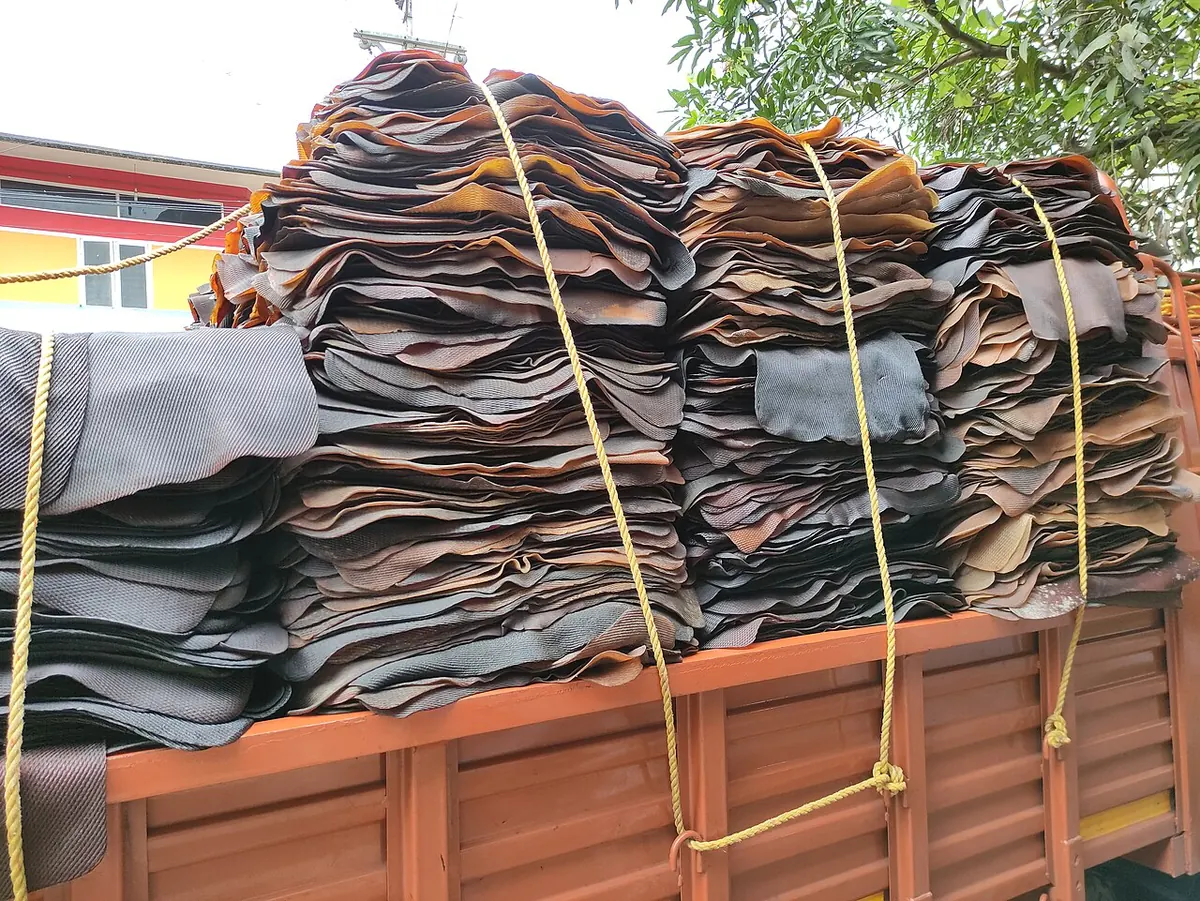
Natural rubber sheet starts as latex from the rubber tree, coagulated with formic acid, pressed into sheets and dried in smoke. Makers of compound, tyres and moulded goods buy it as raw rubber. In Bangladesh the trees grow in the hills of the east and north-east, and private gardens gave about 72 percent of national output in 2025, by Rubber Board figures reported in the press.
A natural rubber sheet manufacturer in Bangladesh sells by the lot, and lots differ in moisture, dirt and packing. Roptan finds a verified seller with a lot that fits, checks where it comes from, has it tested and delivers it. You deal with Roptan only.
How to brief a natural rubber sheet manufacturer in Bangladesh
- Polymer and form
- Write NR, the ISO 1629 symbol for natural rubber, and the form: smoked sheet, block rubber or latex concentrate, three products quoted separately.
- Grade reference
- Name the grade: the RSS grade for sheet, a TSR grade under ISO 2000:2020 for block rubber. Keep a sealed sample bale from the approved lot as the reference for later lots.
- Volatile matter
- State a maximum volatile-matter content and the method. ISO 248-1 gives the oven method for natural rubber, so the moisture left after drying is measured, not guessed.
- Ash and solvent extract
- Ask for ash (ISO 247-1) and solvent extract (ISO 1407) on each lot. Together they show dirt, filler and added oil in the raw rubber.
- Bales and marking
- State bale weight, wrapping, pallet pattern and the lot marking on each bale. These are contract terms, so the seller packs to your figures.
- Local or imported
- Say whether imported sheet is acceptable. Local output follows tapping days and weather, so a fixed date may need sheet from abroad.
Tests and standards for raw natural rubber
- ISO 1629:2025
- Sets the symbols for basic rubbers in dry and latex form. Write NR so the seller, the lab and you name the same polymer.
- ISO 248-1:2021 and ISO 248-2:2019
- Volatile matter in raw rubber. Part 1 has hot-mill and oven methods, but only the oven method applies to natural rubber; Part 2 is thermogravimetric. Ask which method the report follows.
- ISO 247-1:2026 and ISO 1407:2023
- Ash by combustion, and solvent extract, of raw rubber. The ISO 247-1 edition took effect in August 2026, so older reports cite an earlier one.
- ISO 7664:2000
- Guidance on storing raw rubber in bales. ISO 2230 covers finished vulcanised goods, so cite ISO 7664 for a depot or warehouse.
- ISO 2000:2020
- Guidance on specifying technically specified rubber, with a grading system by origin and measured properties. Use it as the basis of a block rubber purchase specification.
Lead times and delivery
No single lead time fits every sheet order. It depends on whether a seller holds a dried lot or must wait for tapping and drying, on the weather, on test rounds, and, for imported sheet, on shipping and clearance. Roptan confirms the dates and the minimum quantity in the quote.
Inside Bangladesh, Roptan delivers baled sheet on pallets to your factory or store, with the packing list, the lab report for each lot and a VAT invoice (Mushak 6.3). Keep bales in shade, away from oil and running electric motors, and use the oldest lot first: natural rubber ages in sunlight and cracks in ozone.
Buying natural rubber sheets for export
For importers Roptan quotes FOB Chattogram (Chittagong). In EPB data for FY2025-26, smoked sheet made up about 73 percent of Bangladesh's natural rubber exports by value and latex about a quarter. Much rubber trade is recorded under the local export code, which points to supply into zones. Documents include the commercial invoice, packing list, certificate of origin and the seller's ERC.
Questions buyers ask
Is rubber grown in Bangladesh?
Yes. The rubber tree needs a tropical climate and at least about 1,200 mm of rain a year, which suits the hills of the east and north-east. State gardens lie in the Chittagong, Sylhet and Madhupur regions, and private gardens gave about 72 percent of national output in 2025, by Rubber Board figures reported in the press.
Should I buy sheet or block rubber?
Follow your recipe. Sheet is smoke-dried from clean latex; block rubber is pressed and technically specified, and cup lump goes into the TSR10 and TSR20 block grades. If your compound was developed on one form, test the other before you switch.
Which tests should I ask for on a sheet lot?
At least volatile matter to ISO 248-1 (oven method), ash to ISO 247-1 and solvent extract to ISO 1407, with the edition on the report. Volatile matter shows moisture left after drying; ash and solvent extract show dirt, filler and added oil.
Can you source sheet from abroad if local supply is short?
Yes. Thailand, Malaysia, Indonesia and Cambodia are among the main rubber producers. Imported sheet needs the importer's IRC and more time for shipping and clearance, and we apply the same volatile matter and ash tests to each lot before delivery.
How soon will I hear back about rubber products?
Within 48 hours of a complete requirement, with a price and a delivery date. A requirement is complete when it has the quantity, where it is needed and by when.
Who do I deal with?
With Roptan, when Roptan manages the order: we buy from the verified seller and deliver to you. With the supplier directly, when you post on the requirement board and choose a quote yourself.