Managed sourcing from Bangladesh, for export and for buyers at home
Get it sourced

Yarn, jute and textiles · Raw jute

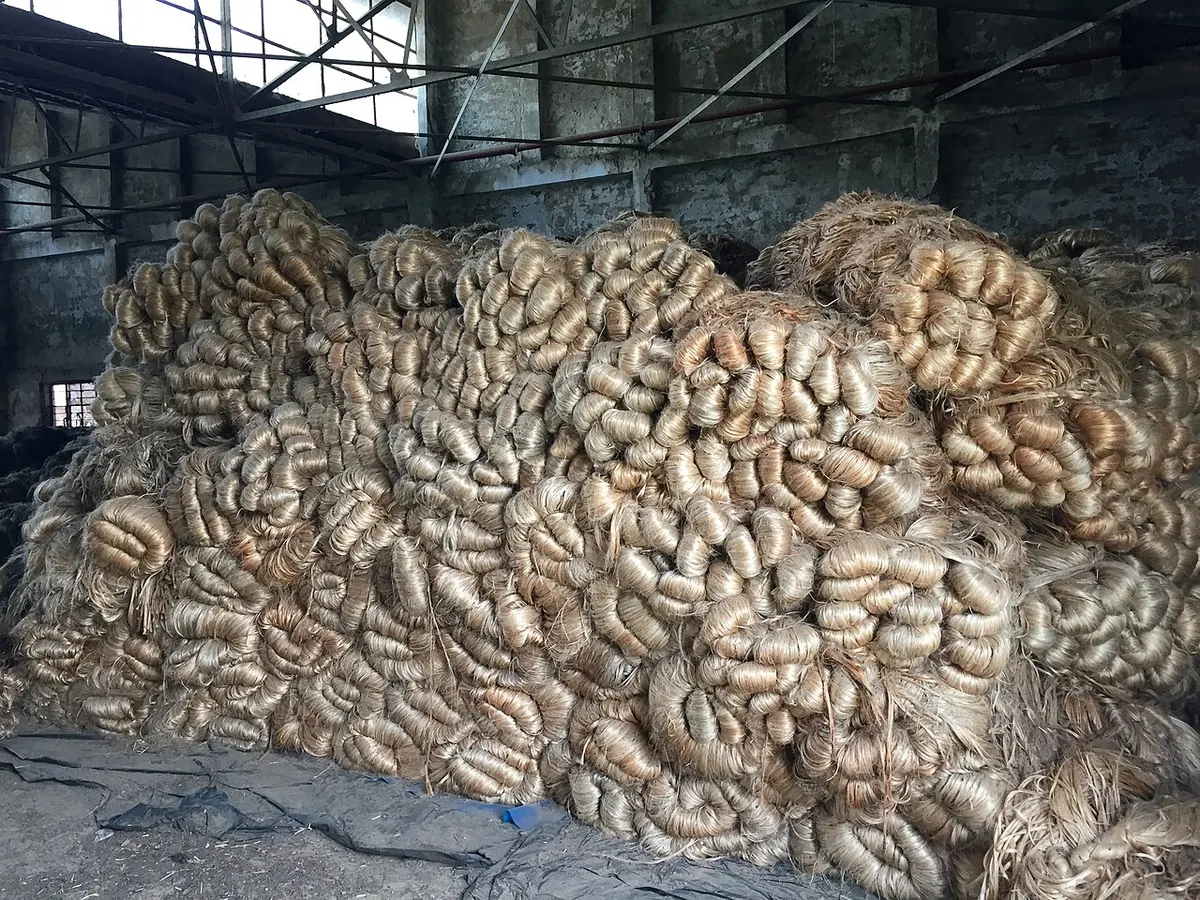
Mesta and kenaf exporter in Bangladesh

Buying mesta or kenaf fibre? Tell Roptan the fibre, the grade or sample, the moisture limit and the tonnage. We source it from a licensed mesta and kenaf exporter in Bangladesh, keep it apart from jute and check each lot before it ships.

  • Verified sellers
  • Checked before it ships
  • Delivered by Roptan

Get mesta and kenaf sourced

Prefer to deal with suppliers yourself? Post it on the requirement board

Buying mesta and kenaf in Bangladesh

Mesta and kenaf are bast fibres from two hibiscus plants, grown and traded in Bangladesh alongside jute. The Jute Act 2017 includes kenaf, Hibiscus cannabinus, in its legal definition of jute, says it is known locally as mesta, and gives Hibiscus sabdariffa, roselle, for mesta. A mesta and kenaf exporter in Bangladesh therefore needs the same Department of Jute licences as a jute exporter.

Roptan sources mesta and kenaf from licensed sellers. We get the fibre named on every bale list and invoice, buy long fibre on a sealed grade sample, keep it out of jute lots, check moisture at loading, and confirm the current export terms before quoting. You deal with Roptan only.

Kinds of mesta and kenaf fibre

Long mesta by grade

Long fibre sold on the seller's grades; one supplier list runs from Meshta A to Meshta C. Buy on a sealed sample of the grade you want.

Mesta cuttings

The root ends of mesta, quoted in trade reports under marks such as SMC and OMC. Get the seller's written meaning of the mark before you buy.

Kenaf fibre

Fibre of Hibiscus cannabinus, named as kenaf in the Jute Act. Choose it when your process calls for kenaf specifically, and write kenaf on the contract.

Early-crop mesta

Mesta is sown from mid-March and harvested with white jute, before Tossa; in 2026 the first lots came in June. Choose it when you need fibre early in the season.

How to brief a mesta and kenaf exporter in Bangladesh

Fibre name
Kenaf, mesta or a stated blend, on the contract, bale list and invoice. The Jute Act 2017 counts mesta as jute, so name the fibre rather than relying on the word jute.
Grade and sample
The seller's grade, such as Meshta A, with a sealed sample. For cuttings, the mark and its written meaning.
Growing area
In 2026 early mesta was sown in lower-lying areas such as Greater Mymensingh, Tangail, Sirajganj, Netrokona, Madaripur and Shariatpur. Ask where the lot was grown and retted.
Moisture
Your own limit and test. The Jute (Licensing and Enforcement) Rules 1964 bar trading jute wetter than its natural dry state or mixed with water or sand; hold mesta to that.
Crop year
Mesta comes before Tossa: in 2026 early lots came in June and the main harvest was due in late July. By November, as in 2019, higher mesta and kenaf qualities can be gone.

Law, licences and customs line for mesta and kenaf

Jute Act 2017
Its definition of jute covers the Corchorus species and kenaf, known locally as mesta, so the Act's licences and government orders apply to mesta and kenaf too.
Department of Jute licences
Traders need a licence under section 5 of the Act, renewed each financial year, and exporters a separate raw jute exporter licence. Ask for both in the seller's name.
HS 5303.10
Kenaf and mesta are other textile bast fibres in the same heading as jute, raw or retted, so they are usually declared under 5303.10. Your customs broker confirms it.

What moves the price of mesta and kenaf

  • Grade: in 2026 trade reports said high-grade mesta was in short supply and in heavy demand.
  • The jute market: in 2026 trade reports saw mesta prices rise much as jute prices did.
  • The crop: in 2026 a long dry spell, then heavy rain, reportedly left plants shorter and fibre yields lower in several jute areas.
  • Timing: buyers who wait until late in the season can find the higher mesta qualities gone.
  • Law: the Jute Act 2017 lets the government fix minimum and maximum prices for classes of jute, which includes mesta.

Lead times and delivery

There is no standard lead time for mesta or kenaf. Mesta is sown from mid-March, cut about four months later and retted for about 20 days, so most new-crop fibre follows the July harvest, though early lots came in June 2026. Eid holidays and monsoon floods can add time, and export lots wait for approval. Roptan confirms the dates and the minimum in the quote.

Inside Bangladesh we deliver mesta and kenaf to your mill with a bale list naming the fibre, grade and weight of each bale. A jute bale in a mesta lot, wet bales or short weight are raised with Roptan, and we take them up with the seller.

Buying mesta and kenaf for export

Raw jute export has needed prior approval from the Ministry of Commerce since September 2025, and because the law counts mesta and kenaf as jute, the same approval likely applies; Roptan confirms the current terms before quoting. Mesta and kenaf usually ship under HS 5303.10; your customs broker confirms the line.

What we check for this order

  • Fibre namedMesta or kenaf named on the quote, bale list and invoice as in the contract, so jute and mesta lots are not swapped.
  • Licences currentThe seller's Department of Jute trader and exporter licences, valid for this financial year and in the quoting name.
  • Grade against the sampleBales opened and compared with the sealed sample of the grade, and checked for jute mixed into the lot.
  • Moisture, water and sandBales checked at loading for excess moisture and added water or sand, the wet-jute malpractice the Department of Jute polices.

Questions buyers ask

Is mesta the same as kenaf?

Bangladeshi law treats them together. The Jute Act 2017 names kenaf, Hibiscus cannabinus, says it is known locally as mesta, and gives Hibiscus sabdariffa, roselle, for mesta. Kenaf and roselle are both traded as mesta. Name the plant you want on the contract, or say that either is acceptable.

Does mesta need the same licence as jute?

Yes. The Jute Act 2017 includes kenaf and mesta in its definition of jute, so traders need the same Department of Jute licence under section 5, and exporters the raw jute exporter licence. We check that both are current and in the seller's name before we quote.

When is new-crop mesta available?

Before Tossa. Mesta and white jute are sown first, from mid-March, and harvested before Tossa; in 2026 the first early-crop lots arrived in June and the main harvest was expected in the second half of July. Stockists usually buy hard in the first weeks, so book early in the season.

What is kenaf fibre used for?

Usually rope, twine, coarse cloth similar to that made from jute, and paper. Mesta also trades abroad as long fibre and as cuttings: trade reports named Pakistan as a buyer of both in 2024. Tell us your end use, and we match the grade and sample to it.

How soon will I hear back about raw jute?

Within 48 hours of a complete requirement, with a price and a delivery date. A requirement is complete when it has the quantity, where it is needed and by when.

Who do I deal with?

With Roptan, when Roptan manages the order: we buy from the verified seller and deliver to you. With the supplier directly, when you post on the requirement board and choose a quote yourself.

Other raw jute products

Each product type has its own page as it is published; until then its card opens the category form.

All raw jute